
Fallout Creator Says The Gaming Industry Isn't As Bad As The 1983 Crash
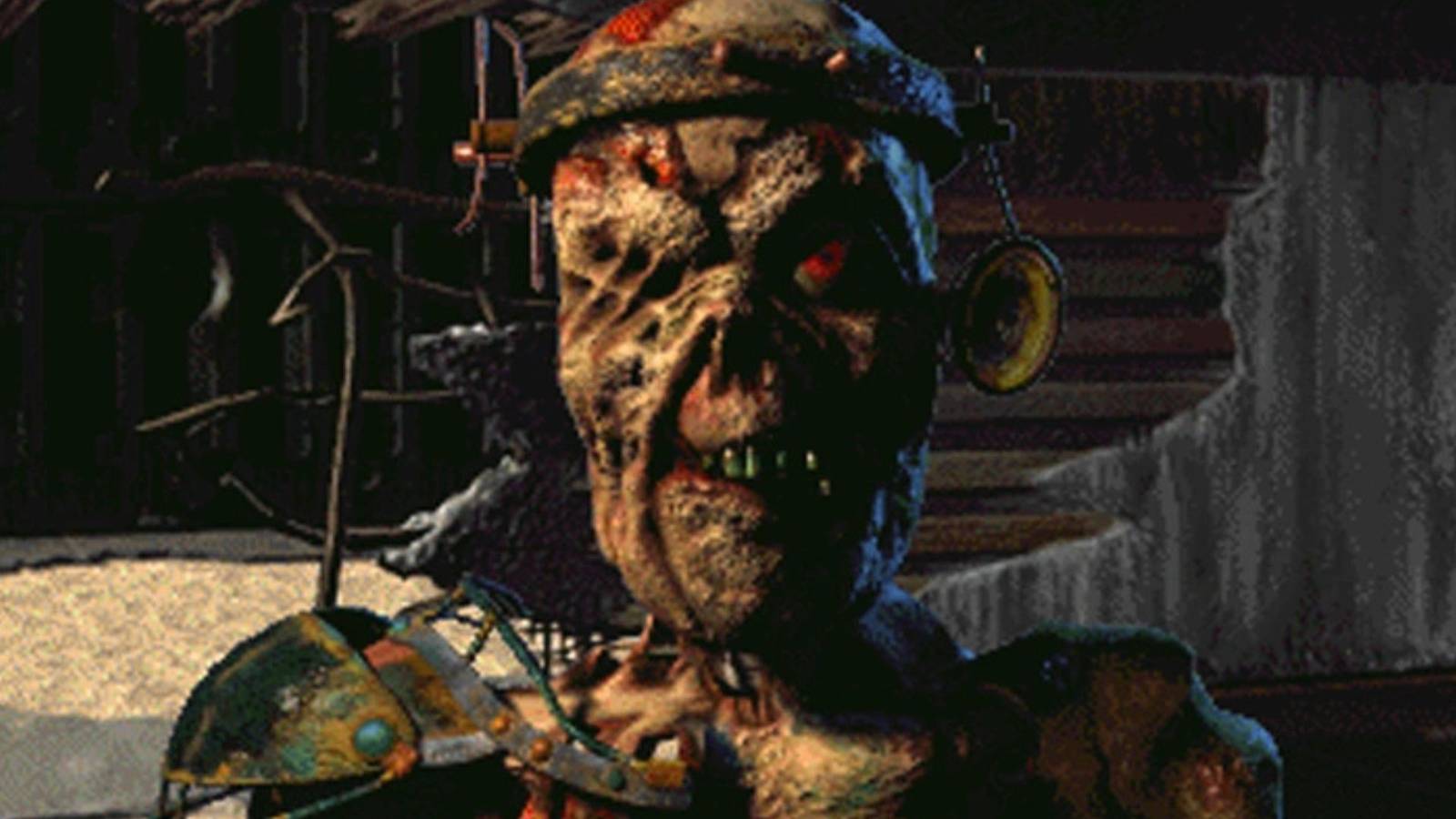
- Game: Fallout
- Developer: Interplay Productions
- Release Date: 1997-09-30
- Platforms: PC, macOS, Linux, Classic Macintosh
While discussions regarding the stability of the modern gaming market often reference the historical 1983 crash, Fallout creator Tim Cain recently stated that the current industry is not As Bad As The 1983 collapse. As consumers and analysts compare the current state of the industry to past failures, the perspective of veteran developers remains essential to understanding how modern titles like Elden Ring and its expansion, Shadow of the Erdtree, by FromSoftware, fit into the broader market narrative.
The Historical Context of the 1983 Video Game Crash
To understand the current discourse, one must look at the 1983 crash. During that period, the console market was flooded with low-quality software and cheap imitations. This saturation led to a drastic reduction in sales, which companies attempted to offset by raising prices. The result was a market defined by higher costs for inferior products. Within three years, US home video game revenue plummeted by 97 percent, dropping from $3 billion to $100 million. Many studios shuttered, and the industry faced a period of extreme contraction.
During this era, players shifted their focus toward personal computers. Simultaneously, companies like Nintendo established a reputation for high-quality software, which allowed them to emerge as industry leaders. This shift serves as the primary reference point for those currently questioning if the industry is heading toward a similar outcome in 2026.
Analyzing Fallout Creator Thoughts on Modern Gaming Industry
Tim Cain, the creator of the original Fallout, has provided a counter-perspective to those claiming we are currently in a terminal decline. While industry figures such as Doom co-creator John Romero have suggested that the current environment feels "crashier" than the 1980s, Cain disagrees. He emphasizes that the 1983 event was uniquely destructive.
"We lost an entire generation of game developers," Cain noted. For him, the loss of human capital and the total evaporation of consumer confidence in the console space were the defining features of 1983. In contrast, while the industry currently faces significant challenges, the structure of the market remains vastly different from the mid-80s.
At In Game News, we have monitored the ongoing discourse regarding industry health. Our industry trends coverage indicates that while developers are facing widespread layoffs and the pressure of unsustainable budgets, the market has not seen the 97 percent revenue drop that characterized the 1983 collapse.
Current Challenges Facing the Gaming Market in 2026
Despite Cain's stance that the industry is not in a 1983-style crash, there are undeniable stressors affecting the current landscape. These issues include:
- Market Saturation: Digital storefronts are seeing a massive influx of software. For instance, Steam saw 2,469 game releases in a single month, compared to 343 in the same month a decade ago.
- Hardware Costs: Price hikes for the PlayStation 5 and Xbox Series X have driven many players toward PC gaming.
- Software Pricing: Publishers are increasingly pushing for an $80 price point for new releases, creating friction with consumers.
- The 'RAMpocalypse': A global memory shortage, driven by the demand for AI data centers, has hindered hardware production and delayed the adoption of next-generation console technology.
- Studio Instability: The aftermath of the COVID-19 pandemic has seen exuberant budgets and live-service failures lead to persistent layoffs across major studios.
These factors contribute to a feeling of stagnation for many players. You can find more details on these shifts in our gaming hardware analysis. While these hurdles are significant, they represent a transformation of the business model rather than a complete market failure.
Comparing Current State of the Gaming Industry vs 1983 Crash
The primary difference between the two eras lies in the diversity of the market. In 1983, the industry was heavily reliant on a single, failing console model. Today, the gaming industry is fragmented across PC, mobile, and multiple console platforms. This fragmentation provides a safety net that did not exist forty years ago.
Furthermore, the quality of software remains varied. While there is an abundance of low-quality or "shovelware" titles, high-profile releases continue to set records. The success of titles like Elden Ring: Shadow of the Erdtree demonstrates that there is still a massive, engaged audience for premium, high-quality experiences. This suggests that the current "crash" narrative may be more reflective of a correction in studio spending and business models than a total industry wipeout.
Frequently Asked Questions
What did the Fallout creator say about the 1983 crash?
Tim Cain noted that the 1983 crash resulted in the loss of an entire generation of game developers, a catastrophic event that he believes the current industry has not yet mirrored.
Is the video game industry in a crash 2026?
While some industry figures like John Romero have suggested the current market is 'crashier' than the 1980s, Tim Cain argues that the industry is not currently in a crash comparable to 1983.
What are the main differences between the 1983 crash and the current market?
The 1983 crash saw a 97 percent decline in US home video game revenue over three years, whereas the current market faces challenges like saturation and high budgets without a total collapse of consumer interest.
Tim Cain on the 2026 Games Industry Crisis vs the 1983 CrashFallout
Fallout Co-Creator Thinks Gamers Are Letting Influencers Tell Them Wh...Fallout
Tim Cain on Fallout and Why Gamers Are No Longer Thinking for Themsel...Fallout
Tim Cain Discusses How Influencers Are Altering Player Choices in 2026
Join the conversation