
Final Fantasy VII Rebirth and the Legacy of 1997 Gaming in 2026
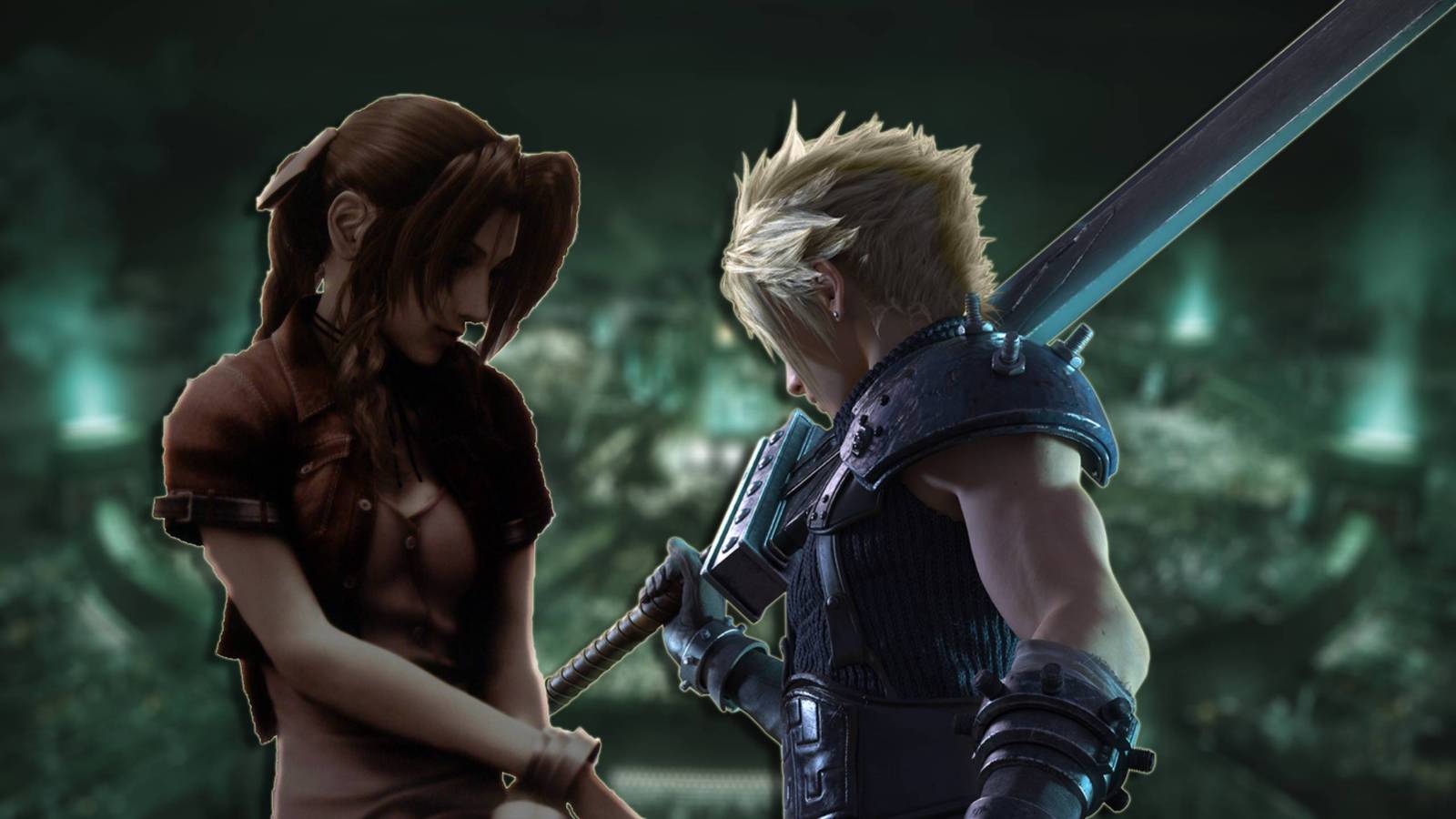
- Game: Final Fantasy VII
- Developer: Square (now Square Enix)
- Original Release Year: 1997
- Remake Platform: PlayStation 5, PlayStation 4, PC
Final Fantasy VII Rebirth continues to capture the attention of modern players, yet the shadow cast by the original 1997 title remains a defining moment in gaming history, as many other JRPGs were overshadowed by Final Fantasy VII during its debut year. By Kevin Christopher Sullivan, our coverage at In Game News examines how the release of the original Square project altered the trajectory of the genre for years to come.
The Impact of the 1997 JRPG Market
To understand the current state of the industry, one must look back at the cinematic standards set in the late 1990s. Imagine a filmmaker in 1977 who pours years of effort into a project, only to see it ignored because a massive cultural phenomenon like Star Wars debuted simultaneously. This mirrors the situation faced by developers in 1997. When the original Final Fantasy VII hit store shelves in Japan, it effectively monopolized the gaming public's attention for the remainder of the year. While modern gamers may be focused on Square Enix and the ongoing remake trilogy, the historical context of the original release highlights a period where competition was fierce.
Many of the best JRPGs overshadowed by Final Fantasy VII in 1997 possessed high production values and unique mechanics, yet they struggled to maintain relevance against the sheer scale of Cloud Strife’s journey. While Final Fantasy XIV represents the current multiplayer focus of the publisher, the single-player legacy of the 1997 release remains the primary benchmark for the studio's narrative output.
Wild Arms and the PlayStation Era
Among the hidden gem JRPGs from 1997 that deserve attention, Wild Arms stands out as a clear example of a title that suffered from the timing of its release. Developed by Media Vision and published by Sony Computer Entertainment, Wild Arms was released on April 30, 1997. It served as a primary alternative for PlayStation owners who were eager for a high-quality role-playing experience while waiting for the western localization of Square's flagship title.
Regional Release Disparities
The release schedule for Wild Arms actually provided a brief window of opportunity for Western players. Because the game arrived in North America five months before the western launch of Final Fantasy VII, players had a significant period to engage with the adventures of Rudy, Jack, and Cecilia. Despite the critical acclaim it received and its eventual success—spawning six sequels and various spin-offs—the game is frequently categorized alongside other underrated 1997 role playing games like Final Fantasy VII that were ultimately pushed to the periphery by the massive marketing and cultural reach of the latter.
Reflecting on the 1997 Gaming Landscape
The year 1997 was undeniably a significant period for the industry, even when excluding the massive influence of the AVALANCHE storyline. When analyzing what JRPGs were released the same year as Final Fantasy VII, it becomes clear that the diversity of the genre was at an all-time high. However, the commercial dominance of Square's project meant that many developers found their work relegated to second-tier status in the eyes of the mainstream press and consumer base.
For those interested in exploring the history of the medium, revisiting these titles provides a clearer picture of why the genre shifted toward the cinematic style that defines modern entries like Final Fantasy VII Rebirth. The following list highlights the competitive nature of the market during that time:
- Wild Arms: A western-themed JRPG that offered a distinct aesthetic compared to the industrial fantasy of its contemporaries.
- Castlevania: Symphony of the Night: While technically a different sub-genre, it competed for the same pool of limited consumer time and attention during the same fiscal year.
- Other genre entries: Numerous smaller titles attempted to capture the magic of the 32-bit era but were unable to compete with the production budget of Square's titan.
The Evolution of the Franchise
In 2026, the conversation surrounding Final Fantasy VII has evolved significantly. With the release of the remake trilogy, new generations are experiencing the narrative beats that first captivated audiences in 1997. According to our reporting at In Game News, the transition from the original PlayStation hardware to the current PlayStation 5 ecosystem has allowed Square Enix to refine the experience while maintaining the core themes that made the original a success.
The original Final Fantasy VII, released on April 10, 2020, for modern platforms including PC and PlayStation 4, currently holds a Metacritic score of 87. This rating reflects the enduring quality of the game's core adventure and RPG elements. By comparing the 1997 release to the modern iterations, players can see how the developer has maintained the series' identity while adapting to the expectations of a 2026 audience.
Frequently Asked Questions
What JRPGs were released the same year as Final Fantasy VII?
In 1997, several notable JRPGs were released alongside Final Fantasy VII, including Wild Arms, which launched in April in Japan and earlier in North America.
Why did Final Fantasy VII dominate 1997 gaming?
Final Fantasy VII dominated 1997 gaming due to its massive cultural impact and popularity, which effectively consumed the attention of the gaming public throughout the year.
Are there underrated 1997 role playing games like Final Fantasy VII?
Yes, titles such as Wild Arms are often cited as underrated 1997 role playing games that were high-quality experiences but were overshadowed by the success of Square's major release.