
Forgotten Licensed Video Game Adaptations: A Look Back at 2026 Trends
While modern gaming giants like Square Enix continue to dominate the market with massive releases like Final Fantasy VII Rebirth and the ongoing success of Final Fantasy XIV, and industry leaders like Capcom maintain their reputation with titles such as Resident Evil 9, the industry has a long history of forgotten licensed video game adaptations 2026 analysts often reference. These titles, which frequently appear on lists of baffling licensed video games that were forgotten, serve as a reminder that not every project born from an existing intellectual property finds long-term success. At In Game News, our coverage frequently examines how these adaptations—ranging from movie tie-ins to bizarre product advertisements—have shaped the history of interactive entertainment.
- Topic: Forgotten Licensed Video Game Adaptations
- Primary Examples: Eragon (2006), Fester's Quest (1989)
- Key Issue: Misalignment between source material and game design
- Industry Context: Promotional tie-ins vs. narrative integrity
Understanding the History of Forgotten Licensed Game Adaptations
The phenomenon of why were these licensed game adaptations forgotten often boils down to a disconnect between the source material and the final product. Many of these games were greenlit under strict production timelines intended to coincide with film releases or marketing campaigns. Unlike the high-budget development cycles seen in contemporary titles, these projects were frequently rushed, resulting in mechanics that failed to capture the essence of the franchise they represented.
Looking at a list of forgotten licensed games from gaming history reveals a recurring pattern: developers were often tasked with adapting a movie version of a story rather than the original source material. This is a common trap for studios, as the adaptation process often strips away the nuance that made the original work popular in the first place. When players engage with these titles, they are often left questioning the decision-making process that led to the game's release.
The Case of Eragon: A Lesson in Source Material
One of the most prominent examples of what are the most obscure licensed game adaptations involves the 2006 release of Eragon. Developed by Stormfront Studios and published by Vivendi Games and Sierra Entertainment, the action title was released on PC, PlayStation 2, Xbox, and Xbox 360. Despite the popularity of the book series, the game was widely panned, with review scores typically landing between 4 and 5 out of 10. The fundamental error made by the developers was basing the game on the 2006 motion picture rather than Christopher Paolini’s novels. Because the film itself was poorly received by the fanbase, the game struggled to find an audience, eventually fading into obscurity.
Fester's Quest and the Era of Odd Adaptations
Going back to 1989, Fester's Quest for the Nintendo Entertainment System serves as another example of a title that struggled to find its footing. Developed by Sun Corporation and published by Nintendo, the game featured Uncle Fester from The Addams Family. The design choices were particularly strange for the time; the title did not explicitly mention the franchise, though the cover art made the connection clear to potential buyers. The plot involved Fester fighting aliens who had abducted his family, a narrative direction that felt disconnected from the established tone of the property. For more on the evolution of game design, see our retro gaming coverage.
The Role of Promotional Games in Industry History
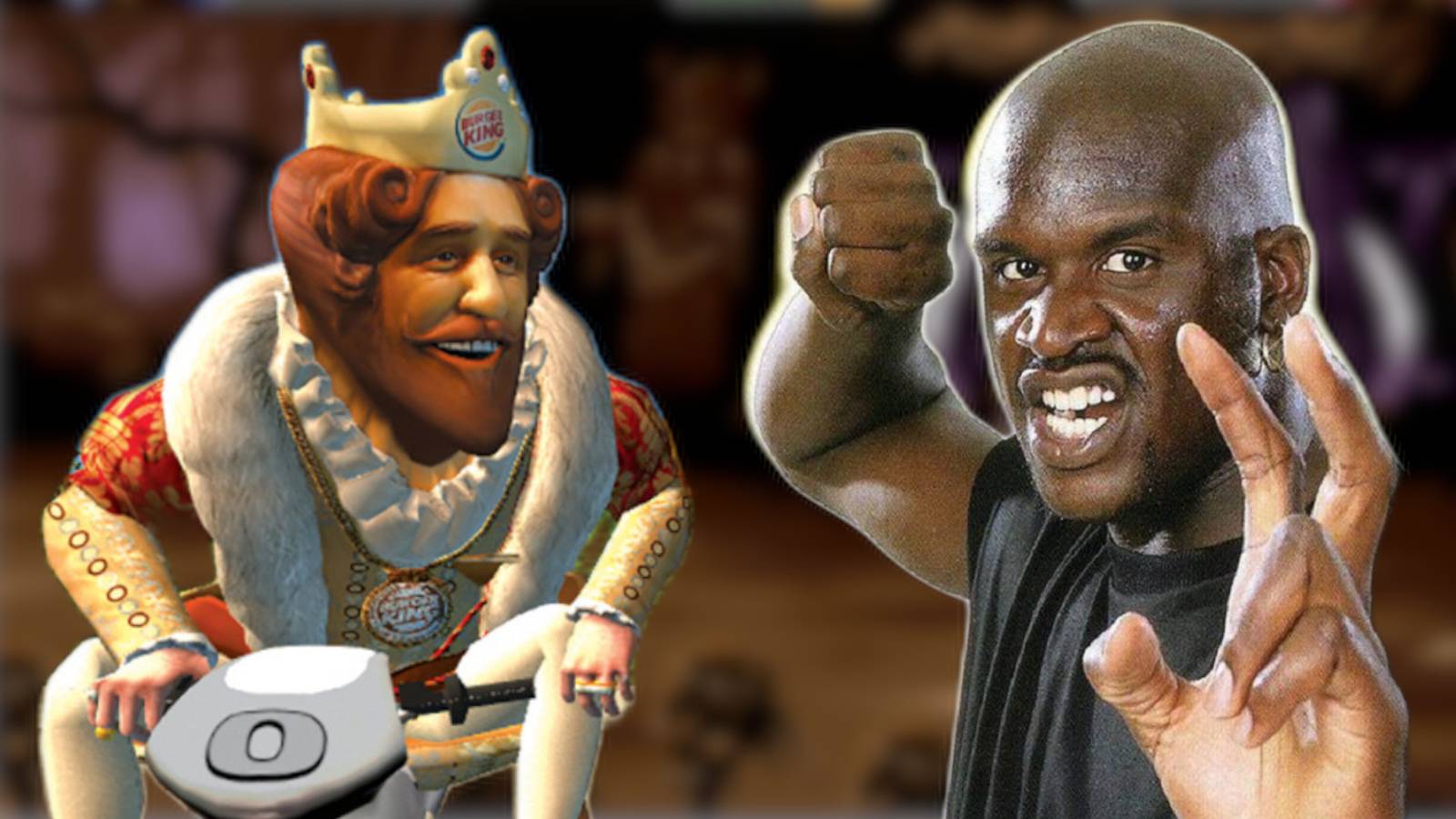
A significant portion of these forgotten titles were not necessarily designed as standalone experiences but as elaborate advertisements. Businesses often sought to leverage the medium of gaming to reach consumers in ways that standard commercials could not. While these games were technically more interactive than a television spot, they rarely offered the depth or polish required to survive in the competitive market of the time. As we track the history of the industry in our industry news hub, it becomes clear that these promotional efforts were almost always intended to be ephemeral.
The decline of these titles is largely attributed to the shift in consumer expectations. As gaming matured, players began to demand more than just a brand name on a box. When a game failed to deliver a cohesive experience, it was quickly discarded. This reality remains relevant today, even as major publishers continue to navigate the complexities of licensed content. The transition from simple promotional tactics to the high-fidelity experiences seen in 2026 reflects a broader change in how intellectual properties are handled within the gaming sphere.
Frequently Asked Questions
To provide further clarity on this topic, we have compiled answers to common inquiries regarding the history of licensed gaming.
Why was the Eragon video game considered a failure?
The Eragon video game was poorly received because it was based on the 2006 film adaptation rather than the original book series, leading to low review scores.
What was the premise of the 1989 game Fester's Quest?
Fester's Quest was a Nintendo Entertainment System title where players controlled Uncle Fester from The Addams Family as he battled aliens who abducted his family.
Why do companies create licensed video game adaptations?
Companies often produce licensed games to serve as promotional tools for a specific product or business, aiming to provide a more engaging experience than standard advertising.