
Gaming News: Why Publishers Are Avoiding Roguelike Deckbuilders in 2026
- Game: Subnautica 2
- Publisher: Krafton
- Source Event: Digital Dragons 2026
- Key Speaker: Victor Lee, Director of Europe Investments
Current Gaming News indicates that the saturation of specific genres is shifting how publishers evaluate new Video Games for PC and other platforms in 2026. During the recent Digital Dragons conference, Victor Lee, the director of Europe investments for Krafton—the publisher behind Subnautica 2—shared insights into the challenges of identifying viable projects within the current investment climate.
The Saturation of Roguelike Deckbuilders
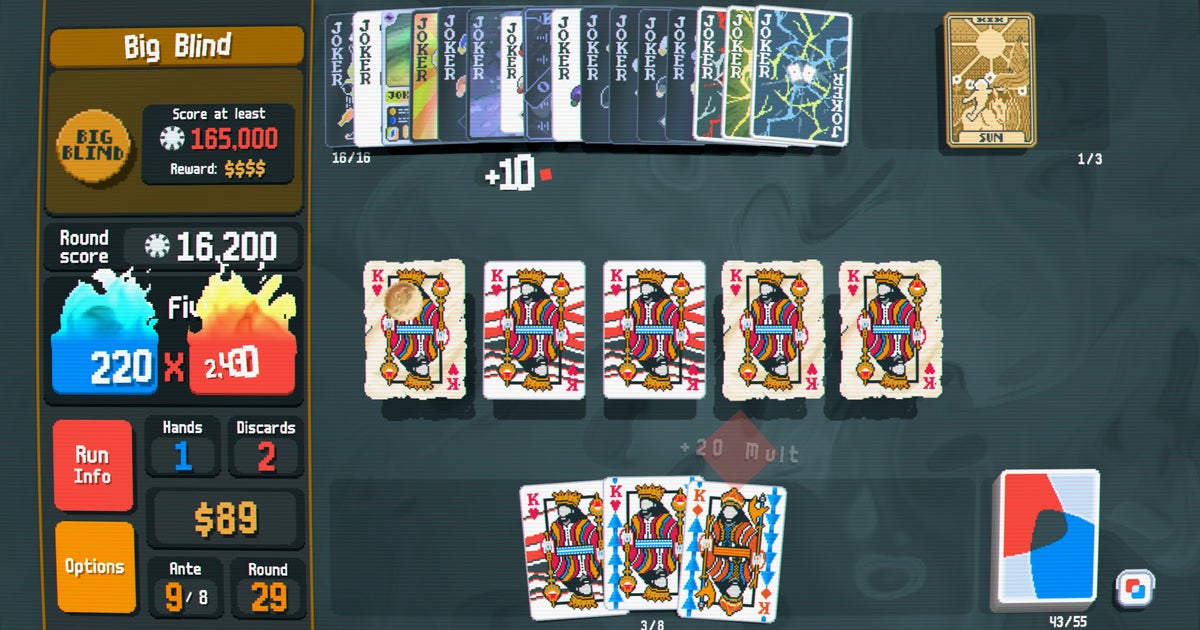
Industry executives are increasingly vocal about the difficulty of selecting projects when the market is flooded with similar mechanics. Victor Lee noted that in the previous 12 months alone, he has reviewed approximately 250 roguelike deckbuilders. This volume of submissions has created a significant hurdle for developers attempting to secure funding, as many of these titles struggle to distinguish themselves from established hits like Balatro.
Lee expressed frustration with the current trend cycle, noting that it appears to be accelerating. He highlighted that while survival crafting was once the dominant trend, the industry shifted rapidly toward card-based roguelikes. For developers, this creates a dilemma: should they pursue a proven, popular format or attempt to innovate with something entirely new? According to Lee, the current abundance of similar titles makes the choice nearly impossible for investors.
Defining Genre Boundaries
A major point of contention for publishers is the misuse of the term "roguelike." Lee argued that the word has lost its specific meaning in the development community. Because a roguelike can technically be applied to any game—from a first-person shooter to a card game—it provides little information about the actual player experience. When a developer pitches a "roguelike" game, Lee suggests that the term is too broad to effectively communicate the core identity of the product.
This lack of clarity makes it difficult for publishers to assess the market potential of a project. If a game cannot be clearly categorized or differentiated, the risk of it being lost in the crowded Steam storefront increases significantly. For more on how these shifts affect the industry, see our industry trends coverage.
Strategic Approaches to Trend Chasing
For developers considering whether to follow a popular trend, Lee provided a pragmatic framework for evaluating risk. The primary factor is the speed of execution. If a studio can produce a game within a month to capitalize on a short-term trend, the risk is minimized. However, if a developer spends 18 months building a title in a crowded, low-barrier genre, the likelihood of that game remaining relevant in the market by 2028 is low.
Lee emphasized that developers must consider the barrier to entry for their chosen genre. If a game type is easy to produce, it is likely that many other studios are also developing similar titles. This creates a "friendslop" scenario where the market becomes flooded with nearly identical products. Developers should assess the size of the audience for a specific genre before committing long-term resources.
- High-Speed Development: Suitable for low-barrier genres where quick iteration is possible.
- Long-Term Development: Requires a unique hook or deep genre expertise to survive market saturation.
- Market Sizing: Publishers evaluate how many players actually engage with a specific, narrow genre.
Publisher Preferences and Developer Passion
Despite the focus on market data and trend cycles, Krafton’s investment strategy still prioritizes genuine passion. Lee stated that he prefers working with developers who possess deep knowledge and love for a specific genre, even if that genre is currently experiencing a decline in commercial performance. Authenticity remains a valued trait in the eyes of publishers who look for long-term partners rather than studios simply chasing the latest keyword on Steam.
This approach helps mitigate the risk of "dealflop," a term used by industry professionals to describe projects that fail to gain traction despite significant investment. By focusing on developers who are deeply invested in their craft, publishers hope to find titles that can sustain a player base beyond the initial launch window. You can find further analysis on publisher relations in our developer relations coverage.
Frequently Asked Questions
Why are publishers hesitant to invest in new roguelike deckbuilders?
Publishers are wary because the genre is currently oversaturated, with hundreds of similar titles flooding the market, making it difficult to differentiate new projects.
What advice does Krafton director Victor Lee give to developers regarding trends?
Lee suggests that developers should only chase fast-moving trends if they can execute the project quickly, as long-term investments in low-barrier genres carry high risks.
How does Victor Lee define the term 'roguelike' in modern game development?
Lee argues that 'roguelike' is not a specific genre but a broad descriptor that can apply to any game type, such as first-person shooters or card-based titles.
Warhorse Studios Developing Middle Earth RPG: 2026 News UpdatePC Gaming
Embracer Group to Split into Two Entities Including Fellowship Entert...Action
LEGO Batman: Legacy of the Dark Knight Release Date 2026 and Steam De...PC Gaming
Ubisoft FYQ4 2026 Financial Results: Debt Reduction and Strategic Shifts