
Housemarque When: Saros Arrives on PlayStation 5 in 2026
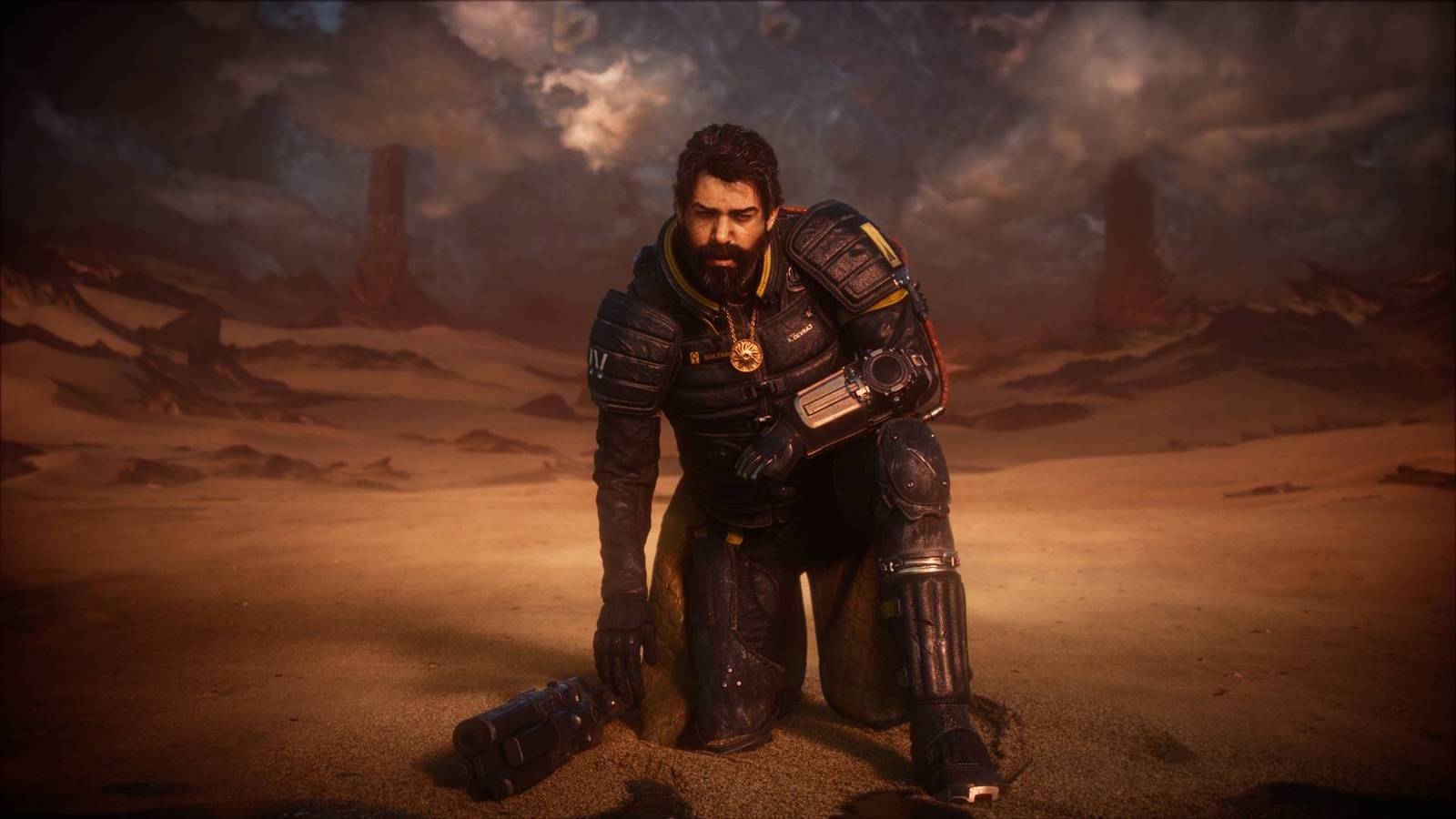
Housemarque, when considering the future of its studio following the success of 2021’s Returnal, opted to develop Saros as a standalone title for the PlayStation 5, which released on April 30, 2026. As a studio historically known for arcade-style experiences, the team faced a decision regarding whether to produce a direct sequel or pursue a new direction. Ultimately, the developers chose to retain the core mechanical identity of their previous hit while introducing fresh thematic and gameplay elements. This report from In Game News examines how the studio navigated this transition while maintaining its signature style.
- Game: Saros
- Developer: Housemarque
- Release Date: 2026-04-30
- Platform: PlayStation 5
Understanding the Development Philosophy Behind Saros
The creation of Saros was driven by a desire to evolve the studio’s output without relying on established intellectual property. Creative director Gregory Louden and associate design director Matti Häkli noted in interviews that while the team enjoyed the development and iteration of Returnal, they viewed that project as a self-contained story. The studio aimed to apply the technical lessons learned from its previous work to a new cosmic horror setting. By choosing to build a new title, Housemarque sought to provide players with a familiar, high-quality experience that avoids the constraints of a direct series continuation.
For more on the studio's trajectory, see our Housemarque coverage. The goal was to maintain the core "stranger in a strange land" sensation that defined the studio's recent output while exploring new architectural and artistic influences. The team shifted away from the specific aesthetic of Atropos to focus on a new environment, Carcosa, which utilizes a distinct yellow color motif to signal a departure from previous visual styles.
Saros vs Returnal Gameplay Analysis 2026
Players familiar with the studio's previous work will find that Saros retains the fundamental pillars of a roguelike shooter. The gameplay loop remains centered on navigating hazardous environments, engaging in high-intensity combat, and managing character progression through artifacts. The following comparison highlights the structural similarities and intentional modifications present in the new title:
| Feature | Returnal | Saros |
|---|---|---|
| Core Genre | Roguelike Shooter | Roguelike Shooter |
| Combat Style | Bullet-hell / Arcade | Bullet-hell / Arcade |
| Defense Mechanics | Standard / Dash-focused | Modified / Tweaked approach |
| Progression | Procedural / Limited | Expanded opportunities |
While the mechanical foundation is consistent, the studio has implemented adjustments to the defensive systems. These changes are intended to provide players with more agency during combat encounters. By refining these systems, the developers have aimed to offer a more nuanced experience that encourages experimentation with different loadouts and tactical approaches. For additional context on how these mechanics interact with the hardware, visit our PlayStation 5 news section.
Artistic Direction and Cosmic Horror Influences
The visual design of Saros is heavily influenced by non-traditional sources. The art team drew inspiration from Italian futurist architecture and photography from Iceland to create the world of Carcosa. This represents a shift from the previous sci-fi aesthetic, aiming to ground the cosmic horror elements in a more grounded, yet alien, structure. The decision to move away from the established visual language of Returnal was intentional, ensuring that the new title possesses its own unique identity.
The narrative framing also leans into cosmic horror, with the team citing the 1985 collection The King in Yellow by Robert W. Chambers as a conceptual touchstone. This influence is intended to provide a backdrop for the character-focused gameplay, where players study and examine the environment as they progress. By grounding the game in these specific literary and architectural themes, Housemarque has established a distinct tone that separates Saros from their previous library.
The Evolution of Progression and Player Agency
A significant focus for the development team was the expansion of progression systems. In Saros, players have access to more artifacts and gameplay-altering items compared to earlier titles. This increase in options is designed to support a wider variety of playstyles, allowing for more frequent adjustments to the player's build during a run. The studio has emphasized that these changes are not meant to simplify the difficulty, but rather to provide more paths for players to overcome the challenges presented by the roguelike structure.
The DualSense controller remains a core component of the experience, with haptic feedback used to emphasize the weight and impact of weapons. This integration continues the studio's focus on tactile feedback, ensuring that the shooting mechanics feel consistent with the high standards set in 2021. As players navigate the world of Carcosa, the feedback provided by the controller serves as a bridge between the player and the intense bullet-hell encounters that define the game's difficulty.
Frequently Asked Questions
As players explore the new release, several common questions have emerged regarding the nature of the title and its relationship to the studio's history. The following answers provide clarity based on official information from the development team.
Is Saros a sequel to Returnal?
No, Saros is a completely new game that stands on its own rather than being a direct sequel to Returnal.
Is Housemarque making Returnal 2 in 2026?
Housemarque has not announced a Returnal 2, as the studio intentionally created Saros as a standalone experience that builds upon previous lessons.
How does Saros gameplay compare to Returnal?
Saros mirrors the core gameplay loop of Returnal, including high-intensity shooting and roguelike mechanics, while introducing modified defensive systems and expanded progression opportunities.