
Is SEED Worth Playing in 2026? A Hands-On Look at the Life Simulation
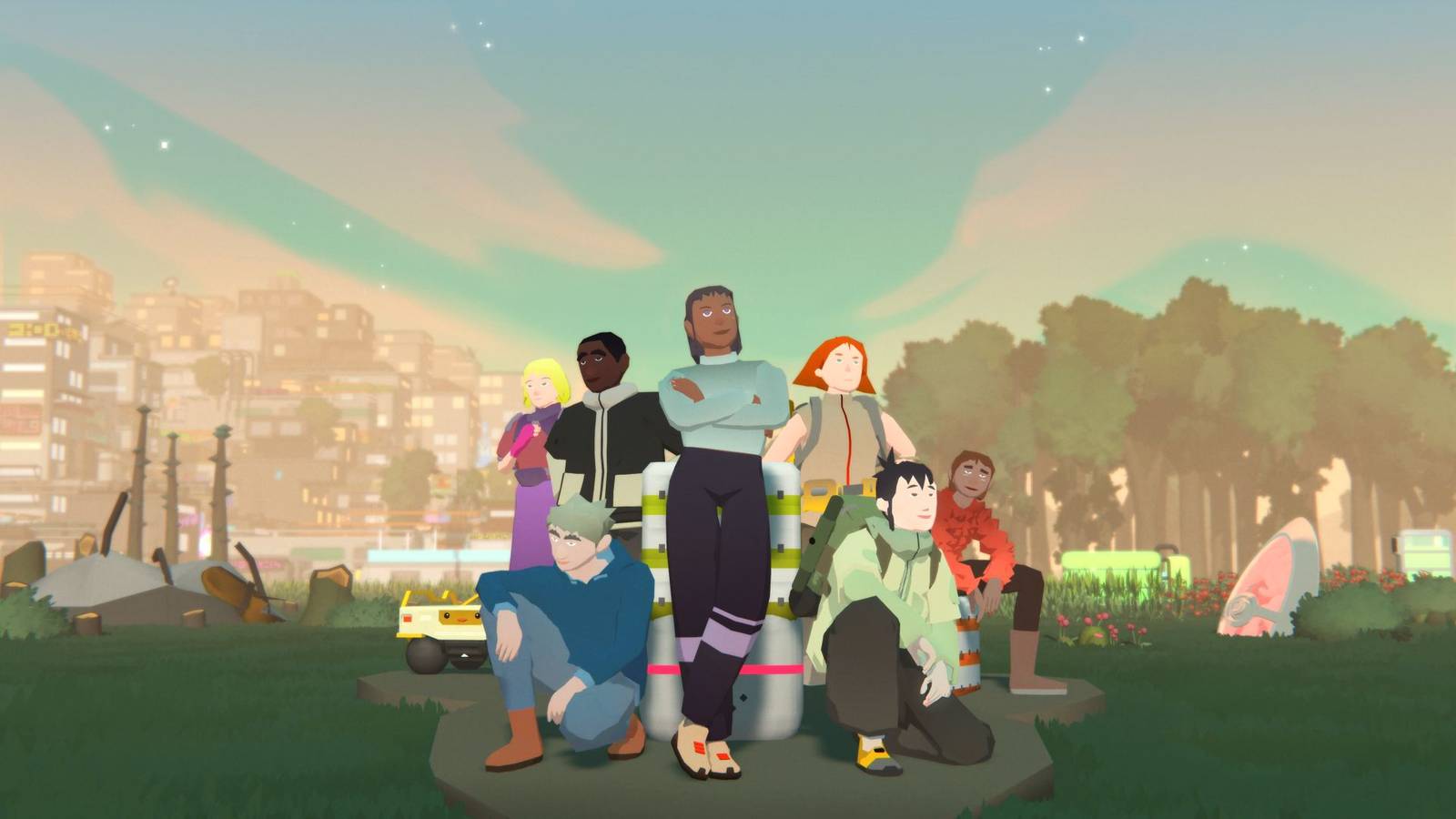
- Game: SEED
- Developer: Klang Games
- Genre: Simulation
- Initial Release: April 29, 2019
Players searching for a fresh experience in the life simulation genre are increasingly looking toward SEED, a global-scale simulation game that offers a unique alternative to upcoming titles like The Sims 5, Project Rene, and Paralives. In our 2026 hands-on impressions for Sims fans, we find that SEED presents a persistent digital environment that functions differently from traditional simulation software, prioritizing a reactive, shared world over isolated, single-player instances.
Understanding the SEED Global-Scale Simulation Experience
Many modern titles promise a living world, but SEED, developed by Klang Games, attempts to deliver this through a persistent, multi-user framework. Unlike the closed-loop systems found in standard life simulators, this title creates a sense of place where actions have lasting consequences. In our coverage at In Game News, we have observed that the game moves away from the common "digital cage" design, where players are funneled through specific quest markers, and instead provides a sandbox where the world reacts to the collective presence of its inhabitants.
For those interested in our simulation gaming news, it is important to note that SEED is frequently compared to a hybrid of The Sims and RimWorld. While these comparisons are valid in terms of colony management and character interaction, the game also incorporates mechanics reminiscent of virtual pet systems. Players do not exercise direct, frame-by-frame control over every action their avatar performs. Instead, they provide guidance to their "Seedlings," allowing the digital characters to exist and interact with the world with a degree of autonomy.
The Gameplay Loop and Initial Colony Management
The core gameplay loop begins when a player establishes a new colony. Upon arrival in the world of Avesta, the player is equipped with a Kernel, a vessel that serves as the foundation for the colony and contains the initial resources required for growth. This setup phase is the first step in a long-term management process where resource allocation and strategic planning are paramount to the survival of the Seedlings.
Character Creation and Aesthetic Design
Before the simulation begins in earnest, players must create their first Seedling. The character design process is straightforward, featuring a distinct visual style that has been described as "Runescape-coded." The avatars utilize basic, symmetrical designs that prioritize clarity and functionality within the simulation. Players who prefer to skip the granular customization process have the option to use a random generation tool, allowing them to enter the world of Avesta without delay.
Managing Seedlings in a Reactive World
Once the Seedling is created, the player's role shifts from a direct controller to a guide. Because the world is persistent and populated by other players, the Seedlings must navigate social and environmental pressures. This creates a dynamic where the player must balance the needs of their individual characters against the requirements of the broader colony. This approach to gameplay ensures that no two colonies develop in exactly the same way, as the environmental factors and the actions of other players introduce variables that cannot be predicted by a single user.
Comparing SEED to Industry Standards
As the industry looks toward the next generation of life simulators, including the highly anticipated Project Rene and the fan-driven Paralives, SEED occupies a specific niche. While titles like The Sims have historically focused on the depth of individual household management, SEED emphasizes the scale of the simulation. This distinction is crucial for players determining if the game is a suitable alternative for their preferences in 2026.
| Feature | SEED | Traditional Life Simulators |
|---|---|---|
| Control Style | Indirect Guidance | Direct Manipulation |
| World Persistence | Global/Shared | Local/Instance-based |
| Primary Focus | Colony/Community | Individual/Household |
For more insights on how these titles stack up, you can refer to our industry trends analysis. The shift toward persistent, multi-user simulation environments represents a significant change in how players interact with these digital spaces. SEED serves as a functional example of how these systems can be implemented to create a sense of community and shared history within a game world.
Frequently Asked Questions
Is SEED a good alternative to The Sims in 2026?
SEED offers a distinct experience by focusing on a persistent, global-scale simulation where player-created avatars live alongside other users, differing from the traditional single-player focus of The Sims.
What is the gameplay loop in SEED by Klang Studios?
The gameplay loop involves managing Seedlings within a colony, starting from a resource-filled ship called a Kernel, and guiding their behavior in a reactive, living world.
Is SEED by Klang Studios worth playing in 2026?
Whether SEED is worth playing depends on a player's interest in persistent, multi-user simulation games that prioritize indirect guidance over direct, moment-to-moment control of avatars.