
Kena: Bridge of Spirits Switch 2 Development Details Revealed
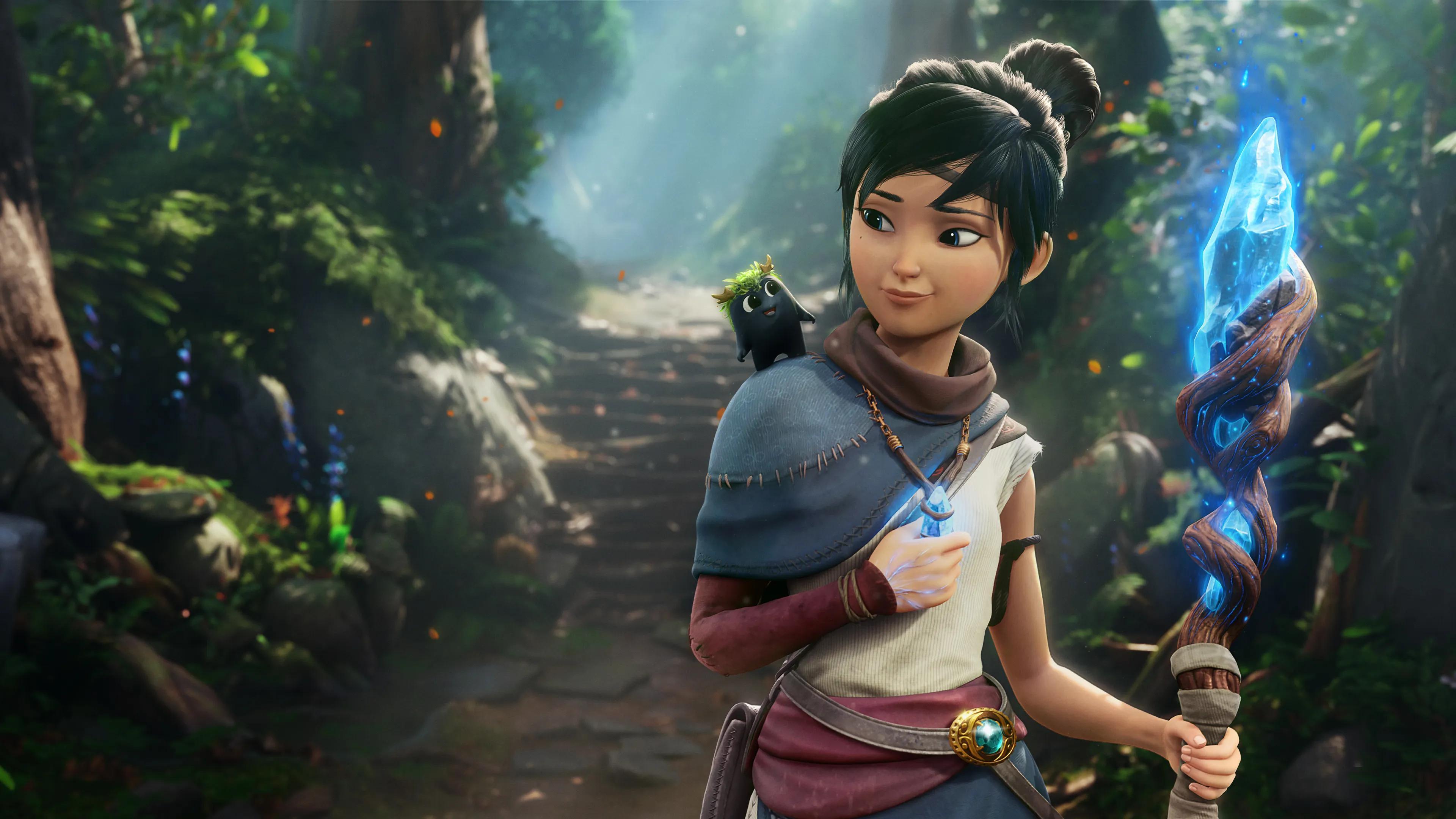
- Game: Kena: Bridge of Spirits
- Developer: Ember Lab
- Original Release Date: 2021-09-21
- Metacritic Score: 80
Ember Lab has officially confirmed that Kena: Bridge of Spirits was originally in development for the original Nintendo Switch before the project was cancelled due to a negative performance experience. The developer transitioned their efforts to the more powerful Nintendo Switch 2 to ensure the title met their quality standards. This transition marks a significant shift in how the studio approached hardware constraints, prioritizing stable frame rates and visual fidelity over a compromised port for the older console.
Development Challenges on Original Hardware
The journey of bringing Kena: Bridge of Spirits to Nintendo hardware was not straightforward. According to Josh Grier, COO of Ember Lab, the team spent considerable time attempting to optimize the game for the original Nintendo Switch. During this phase, the developers encountered technical hurdles that made a high-quality port difficult to achieve without significant sacrifices.
Grier noted that to get the game running on the original Switch, the team would have been forced to fundamentally alter the artistic style of the title. The visual identity of Kena: Bridge of Spirits is central to its appeal, and the studio was unwilling to squeeze the assets to the point of degradation. The internal consensus was that if the game had been designed for the original Switch from the very beginning, a successful port might have been possible. However, retrofitting an existing, visually dense project proved to be a different set of challenges entirely.
Why the Port Was Cancelled
The primary reason for the cancellation of the original Switch version was the inability to hit performance targets. Ember Lab aimed for a specific frame rate and resolution that the original hardware simply could not sustain during intense gameplay sequences. In the world of action-adventure titles, consistency is a major factor in player satisfaction, and the team felt that releasing a version that struggled to maintain these metrics would result in a poor experience for the end user.
The decision to halt development on the original platform was a calculated move to preserve the reputation of the title. By shifting their focus to the Nintendo Switch 2, the developers were able to utilize more advanced hardware capabilities, allowing them to deliver the intended visual and performance experience. This strategic pivot highlights the common tension developers face when balancing cross-platform accessibility with the technical limitations of aging hardware.
The Impact of Hardware Limitations
For players following gaming news, this situation provides insight into the realities of porting modern titles. The game, which holds a Metacritic score of 80, relies on a specific aesthetic that requires a certain level of graphical overhead. When that overhead is unavailable, developers are often forced to choose between a heavy reduction in graphical quality or cancelling the project. Ember Lab chose the latter, opting to wait for a platform capable of handling the game's requirements.
- Resolution Constraints: The original Switch hardware could not support the required resolution without significant upscaling artifacts.
- Frame Rate Stability: Maintaining a smooth, consistent frame rate during combat encounters was identified as a major bottleneck.
- Artistic Integrity: The studio prioritized maintaining the intended look of the characters and environments over forcing a low-fidelity version onto the market.
Shifting Focus to Nintendo Switch 2
Following the cancellation of the original Switch project, Ember Lab redirected their resources toward the Nintendo Switch 2. This allowed the team to leverage the increased power of the newer console, ensuring that the port would be closer to the experiences found on PC and other major consoles. The move essentially allowed the developers to bypass the compromises they would have had to make on the original hardware.
This shift also aligns with broader industry trends where developers are increasingly cautious about porting high-fidelity titles to platforms that may not be able to support them adequately. As we continue our coverage at In Game News, it is clear that developers are becoming more transparent about why certain projects do not come to fruition on specific platforms. Josh Grier’s comments provide a rare look into the decision-making process that occurs behind closed doors at independent studios.
Reflecting on the Development Process
The experience serves as a reminder of the complexities involved in game development. Even for a studio as capable as Ember Lab, the technical barrier between different console generations can be substantial. The decision to prioritize the quality of the product over the breadth of the install base is a common theme in the industry, particularly for titles that rely heavily on their visual presentation.
While some players may have been disappointed by the news of the cancellation, the subsequent release on the Nintendo Switch 2 has provided a solution that satisfies the studio's quality benchmarks. For those interested in how these types of technical decisions shape the market, the history of this port serves as a case study in hardware-software compatibility.
Frequently Asked Questions
Why was Kena: Bridge of Spirits cancelled for the original Nintendo Switch?
Ember Lab cancelled the port because they could not achieve the desired resolution and frame rate, leading to a negative performance experience.
Did Ember Lab consider porting Kena: Bridge of Spirits to the original Switch?
Yes, the developer attempted to bring the title to the original Nintendo Switch but ultimately decided against it to avoid compromising the game's artistic integrity and performance.
Is Kena: Bridge of Spirits available on the Nintendo Switch 2?
Yes, Kena: Bridge of Spirits was released for the Nintendo Switch 2, following the developer's decision to shift development resources away from the original hardware.