
Matt Ryan Reflects on Assassin's Creed: Black Flag Performance in 2026
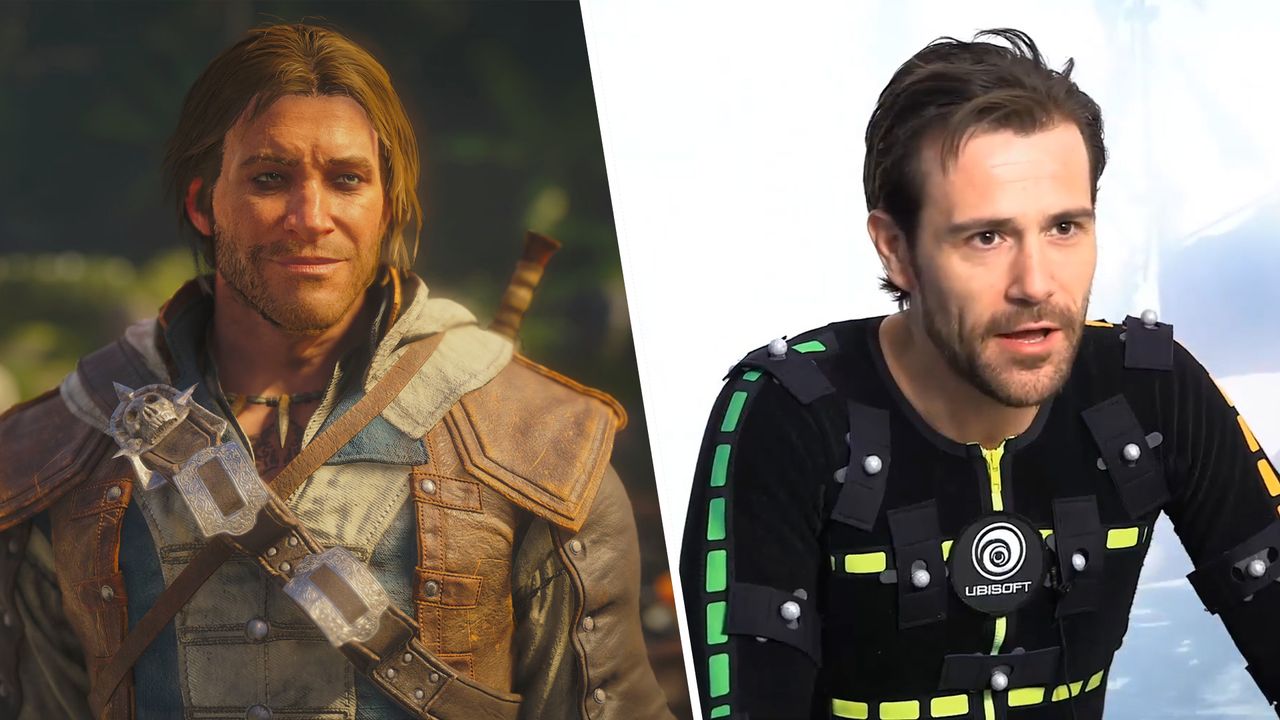
- Game: Assassin’s Creed IV: Black Flag
- Actor: Matt Ryan (Edward Kenway)
- Release Year: 2013
- Metacritic Score: 85
The role of performers in modern interactive media has shifted significantly, a sentiment echoed by Black Flag star Matt Ryan in a recent discussion regarding his historical work as Edward Kenway. As the industry continues to advance in 2026, the terminology used to describe those who bring digital characters to life is being re-evaluated to better reflect the physical and emotional demands of the medium.
The Evolution of Performance Capture in Gaming
When reflecting on his time portraying the protagonist in Assassin’s Creed IV: Black Flag, developed and published by Ubisoft, Matt Ryan highlighted how the landscape of production has shifted. In 2013, the integration of full motion capture for video games was still in its early stages. Ryan noted that the process was in its infancy when he first stepped into the role of the swashbuckling pirate, Edward Kenway. This period marked a transition point where the industry began to move away from traditional voice-only recording sessions toward a more integrated approach that captures the actor's full physical performance.
For readers following our industry analysis at In Game News, it is clear that the technical requirements for actors have grown alongside hardware capabilities. Ryan emphasized that the modern expectation for performance involves more than just delivering lines in a studio. The ability to convey complex emotions through subtle movements and eye contact has become a standard requirement, rendering older labels insufficient.
Why the Term 'Voice Actor' Is Considered Outdated
In his recent comments, Matt Ryan argued that the phrase 'voice actor' no longer accurately describes the work involved in contemporary titles. He pointed to the visual fidelity of modern games, where the nuance of a performance is often visible in the character's eyes. When a player engages with a high-budget title, they are witnessing a complete physical performance that has been mapped onto a digital model, rather than just a vocal track paired with a pre-animated sequence.
This shift in perspective is shared by many in the industry who view their work as a form of acting that transcends traditional boundaries. By focusing on the full-body performance, developers and actors are creating experiences that feel more grounded and authentic. For more on how these shifts impact player immersion, see our development insights.
The Technical Demands of Edward Kenway
The character of Edward Kenway remains one of the most recognized figures in the franchise, holding a Metacritic score of 85. The performance captured during the development of Assassin’s Creed IV: Black Flag required a balance between the character's rugged pirate exterior and his internal conflicts. Ryan's ability to navigate these complexities through motion capture helped define the character's legacy on platforms including PC, PlayStation 4, Xbox One, Nintendo Switch, Xbox 360, PlayStation 3, and Wii U.
Key Differences Between Historical and Modern Performance Capture
- Early Era (2013): Motion capture was in its infancy; sessions were often segmented between voice and physical movement.
- Modern Era (2026): Integrated performance capture allows for simultaneous recording of voice, body, and facial expressions.
- Performance Depth: Modern technology captures micro-expressions in the eyes, which were harder to replicate in 2013.
- Terminology: The shift from 'voice actor' to 'performance artist' reflects the holistic nature of the work.
Reflecting on the Legacy of Black Flag
The discussion surrounding Matt Ryan’s performance serves as a reminder of how far the medium has come since 2013. Assassin’s Creed IV: Black Flag is frequently cited as a high point in the series, largely due to the character-driven narrative and the performance provided by its lead. As we look at the current state of the gaming industry in 2026, the lessons learned from early motion capture projects continue to inform how developers approach character design and actor collaboration.
By moving beyond the 'voice actor' label, the industry acknowledges the labor and artistry involved in creating digital performances that resonate with players on an emotional level. As technology continues to improve, the distinction between digital performances and live-action acting will likely continue to blur, further validating the perspectives shared by veterans like Ryan.
Frequently Asked Questions
What does Matt Ryan think about voice acting in games?
Matt Ryan believes the term 'voice actor' is outdated because modern gaming performances involve full-body motion capture and nuanced facial expressions that go beyond just vocal work.
Is the term voice actor outdated in gaming 2026?
According to Matt Ryan, the term is outdated in 2026 because the industry has shifted toward holistic performance capture where eyes and body language are as important as the dialogue.
What was Matt Ryan's experience with motion capture in Assassin's Creed: Black Flag?
Matt Ryan noted that fully motion-captured performance for games was still in its infancy when he began his role as Edward Kenway in 2013.