
PS2 JRPGs You Should Avoid in 2026: A Critical Retrospective
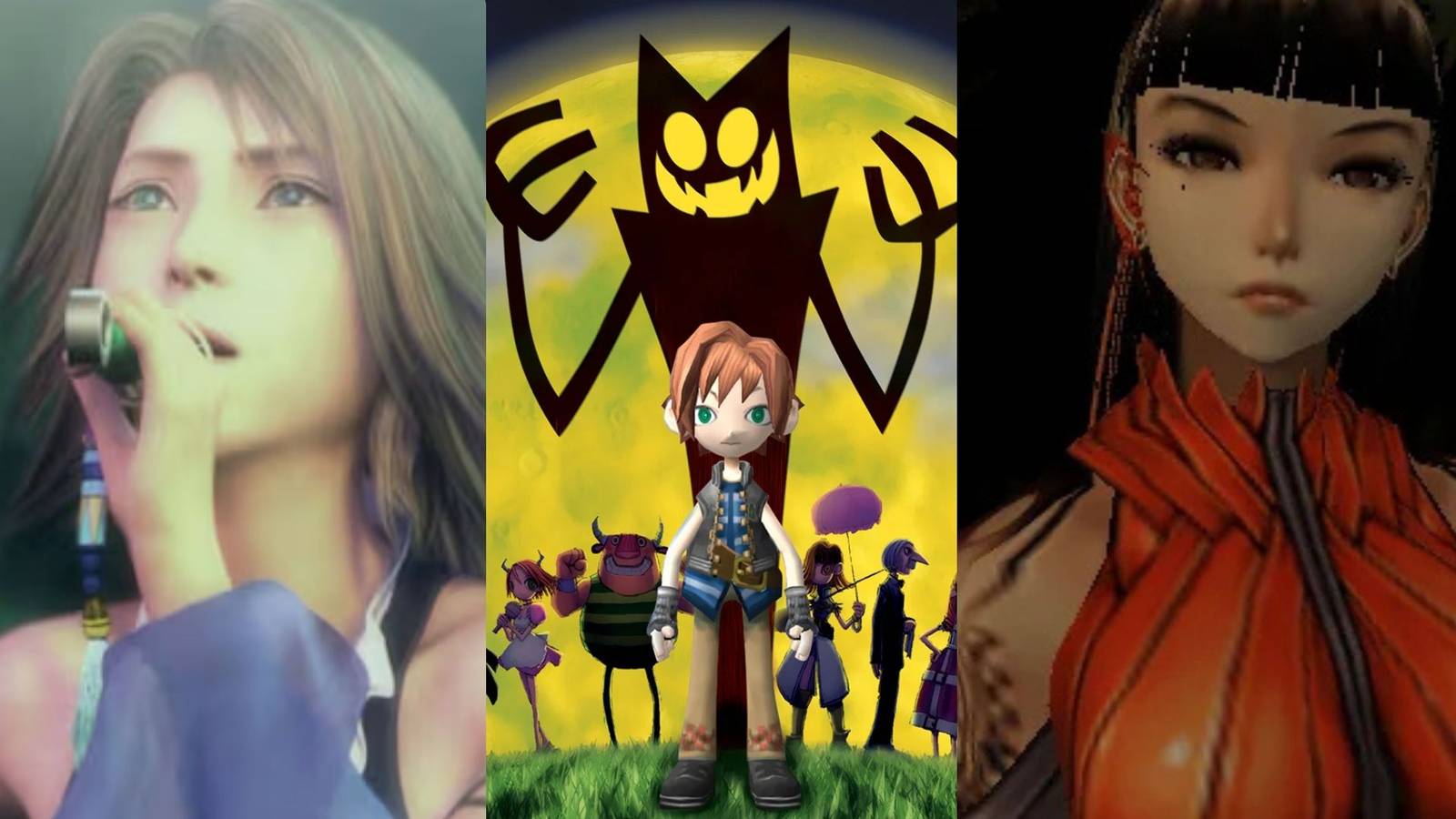
- Game: Final Fantasy X-2
- Developer: Square Product Development Division 1
- Release Date: March 13, 2003
- Platform: PlayStation 2
By Adam Braunstein Published May 23, 2026. When curating a list of Gs You Should Avoid, it is necessary to look back at the PlayStation 2 era, a period defined by an influx of experimental titles. As a Staff Writer for In Game News, I have tracked how the transition from 2D to 3D graphics often caused developers to lose the core identity that defined their earlier successes. This retrospective examines why certain worst PS2 JRPGs to avoid in 2026, such as Final Fantasy X-2 and Unlimited Saga, continue to be subjects of intense debate among genre enthusiasts.
The Shift in Square Enix Design Philosophy
The early 2000s marked a period of immense pressure for developers to iterate on successful formulas. Following the success of the PlayStation 1 era, companies like Square (later Square Enix) sought to expand their reach, often resulting in sequels that felt disconnected from their predecessors. This desire to go larger in scale frequently came at the expense of narrative cohesion and character integrity. In our coverage at In Game News, we have observed that the loss of artistic focus during this transition is a primary reason why many players find these titles to be among the most disappointing PS2 JRPGs.
Final Fantasy X-2: A Polarizing Departure
Released on November 18, 2003, for the PlayStation 2, Final Fantasy X-2 was developed by Square Product Development Division 1. While the game holds a Metacritic score of 85, its reception remains deeply divided. The combat system, which utilizes an outfit-based job mechanic, is technically proficient, yet many players struggle with the drastic shift in tone compared to its predecessor. The narrative, which features significant retcons, is frequently cited as a point of frustration for those who appreciated the story established in Final Fantasy X.
Furthermore, the presentation of the game—specifically the opening pop concert sequence—marked a departure from the traditional high-fantasy aesthetic associated with the franchise. This stylistic pivot left many long-time fans alienated, raising questions about the target audience for the title at the time of its release. For those asking is Final Fantasy X-2 worth playing in 2026, the answer often depends on one's tolerance for experimental sequels that prioritize style over the established lore of the original experience.
The Niche Nature of Unlimited Saga
Another title frequently discussed in the context of are there PS2 JRPGs that aged poorly is Unlimited Saga. Developed by Square and published by Square Enix and Atari in 2003, this game is widely regarded as an outlier within the genre. It is not necessarily a "bad" game in a technical sense, but it is designed for a very specific type of player. Its mechanics are highly unconventional, eschewing standard JRPG tropes in favor of systems that many find opaque or inaccessible.
The difficulty in engaging with Unlimited Saga stems from its departure from the accessibility that defined other successful RPGs of the era. By stripping away traditional exploration and combat flow, the developers created an experience that feels disconnected from the broader JRPG market. This lack of mainstream appeal is exactly why is Unlimited Saga considered a bad JRPG by a significant portion of the player base; it demands a level of patience and niche interest that the average consumer is rarely prepared to provide.
Common Pitfalls of the PS2 Era
The transition to 3D environments during the PS2 generation created a unique set of challenges for developers. Many studios prioritized graphical fidelity over the distinct art styles that made 2D JRPGs stand out. This homogenization of visuals led to a loss of identity across many titles, contributing to the perception that the genre was losing its way. Readers interested in more historical analysis can view our Retro Gaming archive for further context on how hardware limitations and design ambitions collided during this decade.
Why Sequels Often Missed the Mark
When analyzing the worst PS2 JRPGs to avoid in 2026, a recurring theme is the attempt to force a sequel into a mold that does not fit. Final Fantasy X-2 serves as the primary example of this phenomenon. By attempting to expand on a story that many considered finished, the developers introduced elements that arguably diminished the impact of the original game. The following list highlights the key reasons why these titles often fall short for modern players:
- Narrative Retcons: Altering established lore to accommodate new gameplay mechanics or tonal shifts.
- Tonal Inconsistency: Moving from serious, character-driven narratives to pop-culture-inspired aesthetics.
- Experimental Mechanics: Implementing systems that are overly complex or disconnected from the core gameplay loop.
- Loss of Series Identity: Prioritizing market trends over the unique features that defined the franchise.
For more deep dives into the history of the genre, you can also explore our JRPG Retrospectives section.
Frequently Asked Questions
In our ongoing efforts to provide clarity, we have addressed the most common inquiries regarding these titles. These answers are intended to assist players in determining whether these games align with their personal preferences in 2026.
Is Final Fantasy X-2 worth playing in 2026?
Final Fantasy X-2 remains a polarizing title; while it features a unique job-based combat system, critics often cite its tonal shift and narrative retcons as reasons for hesitation.
Why is Unlimited Saga considered a bad JRPG?
Unlimited Saga is often criticized for its highly niche, unconventional mechanics that deviate significantly from standard JRPG expectations, making it difficult for many players to engage with.
What are the most disappointing PS2 JRPGs?
Titles such as Final Fantasy X-2 and Unlimited Saga are frequently labeled as disappointing due to their departure from established series formulas and experimental design choices that failed to resonate with broader audiences.