
Sonic the Hedgehog Fan Art Wigs: The 2026 Trend Explained
- Game: Sonic the Hedgehog (2006)
- Artist: Hamdi Osman
- Platform context: Xbox 360, PlayStation 3
- Art Medium: Painted wearable wigs
Gaming news in 2026 continues to highlight the intersection of digital culture and traditional artistic expression, specifically through the emergence of Sonic the Hedgehog fan art wigs. As players engage with classic video games, artists are finding unique ways to pay tribute to iconic titles like the 2006 release of Sonic the Hedgehog, which was originally published for the Xbox 360 and PlayStation 3. This trend showcases how the gaming community is utilizing unconventional canvases to represent their favorite virtual environments and characters.
The Evolution of Sonic the Hedgehog Fan Art Wigs in 2026
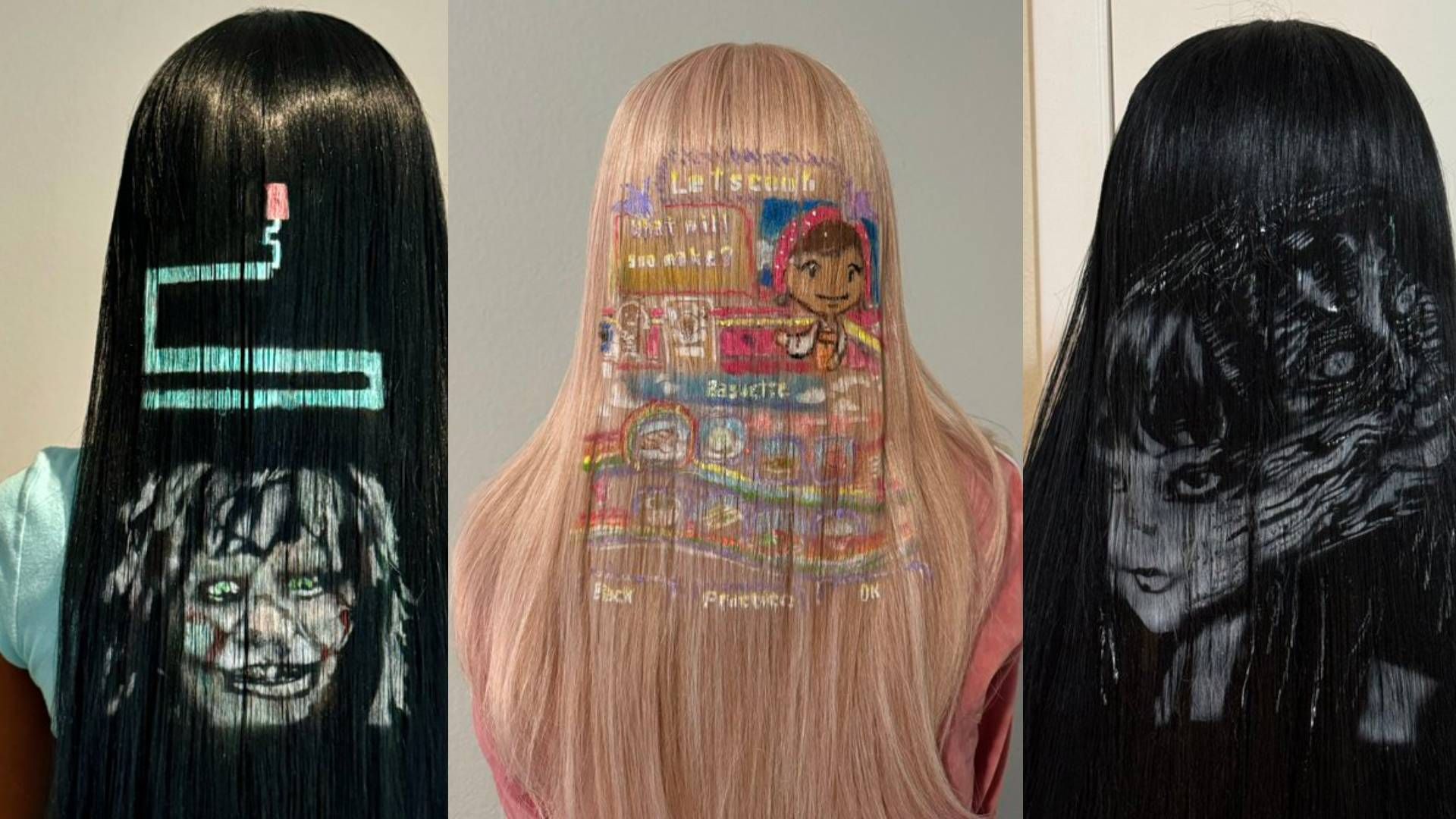
The latest Sonic the Hedgehog fan art trends 2026 demonstrate a shift toward wearable, three-dimensional art. Rather than traditional digital illustrations or physical canvases, creators are turning to synthetic hair as a base for complex paintings. This movement, led by artists such as Hamdi Osman, allows for the integration of character design and environment art directly into cosplay and fashion. The process involves selecting a wig color that complements the specific game scene—for instance, using a dark blue wig as the backdrop for the Green Hill Zone.
For those interested in how the gaming community influences broader artistic movements, more information can be found in our gaming culture coverage. The transition from digital platformers to physical hair art requires a high degree of technical skill, particularly when managing the texture and movement of hair strands while maintaining the integrity of the painted image.
Who is the Artist Painting Sonic the Hedgehog Wigs?
Hamdi Osman has gained recognition in the gaming community for this specific artistic process. By treating wigs as a blank slate, Osman creates what they describe as stories on the back of the hair. This approach extends beyond Sonic the Hedgehog to include various pop culture icons, album covers, and film scenes. According to Osman, the decision to paint on wigs was driven by the desire to bring hair to life through narrative imagery, moving beyond simple color changes.
The complexity of these pieces is significant. Painting on fine strands of hair presents challenges that differ from standard painting surfaces. Osman notes that the approach must shift depending on the hair color and the desired level of detail. When working on intricate pieces, such as those inspired by historical art or dense game environments, the artist must account for the physical behavior of the hair fibers to ensure the final image remains coherent and recognizable.
Sonic the Hedgehog Wig Art Features and Techniques
The technical process behind these creations involves several distinct stages. Before any paint touches the fibers, the wig must be styled to provide a stable surface. The selection of the base wig is a primary factor in the success of the piece. For example, a teal wig might be chosen for a Super Mario 64 piece, while a dark blue wig is utilized for Sonic-themed art. This color-matching strategy ensures that the painting integrates naturally with the base material.
Beyond the initial color selection, the artist must consider the following factors when creating these pieces:
- Surface Texture: Managing the movement of hair strands to prevent cracking or distortion of the image.
- Color Integration: Ensuring that the paint pigments adhere to synthetic hair fibers without losing vibrancy.
- Styling Requirements: Coordinating the physical shape of the wig with the painted scene to ensure the composition is visible when worn.
This attention to detail is what defines the current wave of fan art. As we track these developments at In Game News, it is clear that the community's dedication to game-inspired art remains a focal point of modern fandom. Readers can see more examples of this intersection between art and gaming by visiting our community spotlight section.
The Legacy of Sonic the Hedgehog (2006)
While the fan art trends of 2026 look toward the future of creative expression, the source material often draws from the history of the medium. Sonic the Hedgehog (2006) remains a notable entry in the franchise's history. Released on November 14, 2006, for the Xbox 360 and PlayStation 3, the title is a platformer that continues to be a point of discussion within the industry. With a Metacritic score of 44, the game is frequently revisited by fans and artists alike, often serving as a nostalgic touchstone for those creating tribute art.
The enduring interest in this specific title, despite its reception at the time of release, highlights the longevity of the Sonic brand. Artists like Osman utilize these environments to bridge the gap between the game's original release and current artistic trends. By painting the Green Hill Zone on a wig, the artist is not just creating a visual piece; they are engaging with the history of the platformer genre and reinterpreting it for a new generation of fans.
Frequently Asked Questions
Who is the artist painting Sonic the Hedgehog wigs?
The artist known for painting intricate video game scenes, including Sonic the Hedgehog, on the back of wigs is Hamdi Osman.
How does Hamdi Osman paint Sonic the Hedgehog on wigs?
Hamdi Osman paints detailed scenes on wigs by selecting specific hair colors to match the source material and meticulously applying paint to fine strands of hair.
What are the latest Sonic the Hedgehog fan art trends 2026?
A notable trend in 2026 involves creators like Hamdi Osman moving beyond traditional canvas art to paint full video game environments, such as Green Hill Zone, onto wearable wigs.
Sonic Central June 2026 Broadcast Rumored for 35th AnniversaryCrossover Comic
Sonic & Godzilla Crossover Comic Announced: Biggest Test Yet2010s Era
SEGA Announces Sonic 35th Anniversary Branding Refresh: 2010s Era Det...Android
SEGA Announces Sonic 1 & 2 Mobile Delisting: February 17, 2026 Releas...