
Square Enix Videogame Music Lyric Analysis: Final Fantasy XIV in 2026
- Game: Final Fantasy XIV
- Developer: Square Enix
- Release Date: 2010-09-30
- Platforms: PC, PlayStation 3
Final Fantasy VII Rebirth and Final Fantasy XIV represent two pillars of the current Square Enix catalog, yet the latter continues to generate unique discourse regarding its audio direction and lyrical composition. As we look at the state of videogame music in 2026, the intersection of narrative design and vocal tracks within Final Fantasy XIV remains a point of interest for both casual players and industry analysts at In Game News. While Square Enix is widely recognized for its orchestral scores, the vocal-heavy raid themes often invite specific scrutiny regarding their lyrical coherence and thematic intent.
Understanding Square Enix Videogame Music Lyric Analysis
When conducting a Square Enix videogame music lyric analysis, it becomes clear that the developer often prioritizes character-driven storytelling over traditional songwriting conventions. In many instances, the vocal tracks are designed to mirror the specific personality of a boss or a narrative event. This approach can lead to moments that feel intentionally disruptive or "goofy" to the listener, as the lyrics are tailored to the boss's established lore rather than universal musical standards.
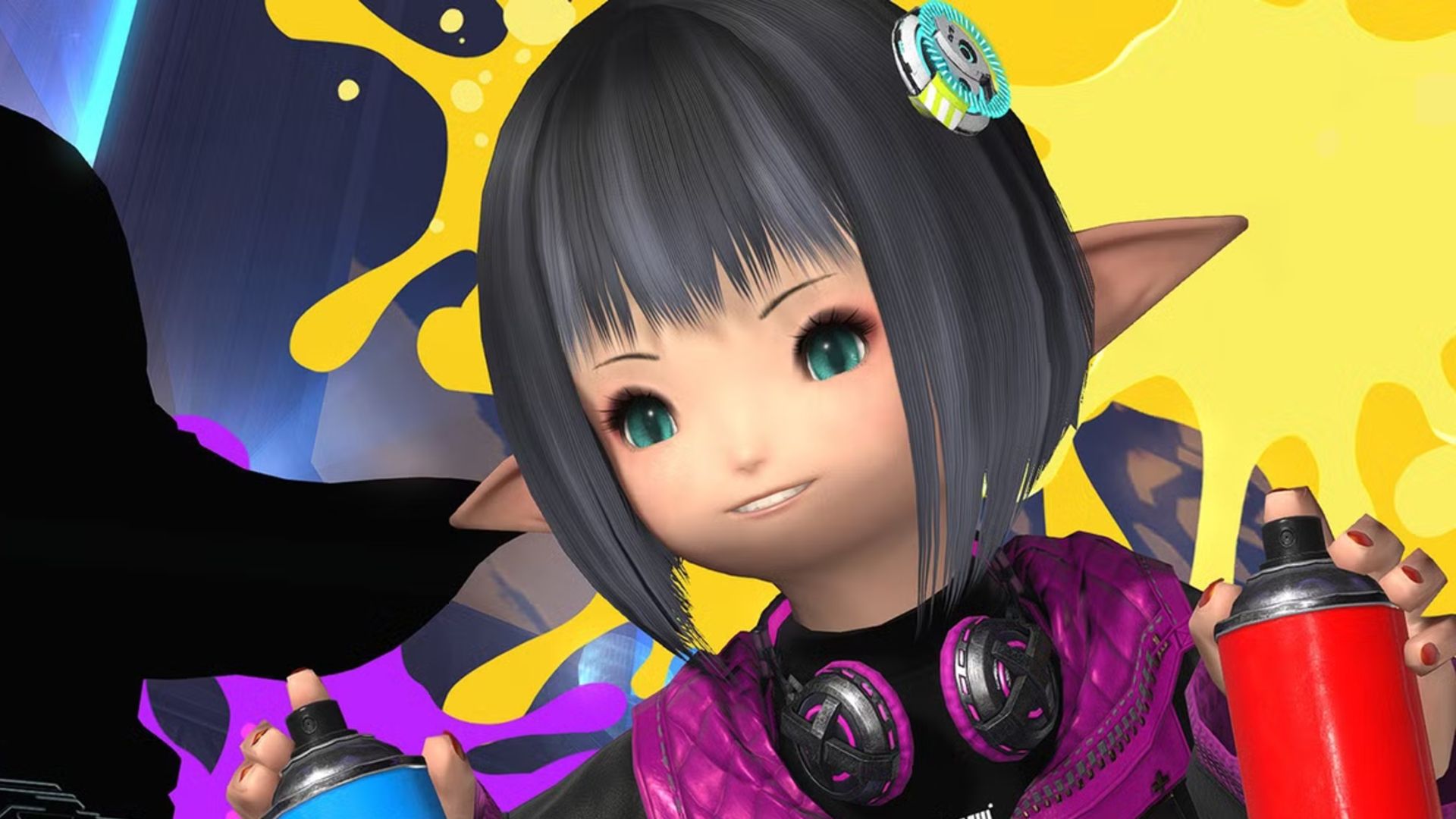
For example, the track associated with the raid boss Sugar Riot is frequently cited in discussions regarding the best Final Fantasy 14 song lyrics analysis 2026. The lyrics explicitly address the difficulty of rhyming, stating: "Now we come to orange / Gotta rhyme something with orange / 'Cept that nothing rhymes with orange / Think that I'll just forget 'bout orange." While some players find this meta-commentary off-putting, it serves as an extension of the character’s identity as a graffiti artist. This specific design choice highlights the tension between standard musical quality and the game's commitment to character-specific world-building.
The Evolution of Videogame Vocal Tracks
The history of vocal tracks in games is filled with examples of experimental writing. Beyond the scope of Final Fantasy XIV, industry titles often struggle to balance "edgy" lyrical content with the actual tone of the gameplay. A frequent comparison point in our coverage is the track "Devil Trigger" from the Devil May Cry series. The song features aggressive, high-energy lyrics such as: "All of these thoughts runnin' through my head / Arm on fire, veins burnin' red / Frustration is gettin' bigger / Bang, bang, bang, pull my Devil Trigger." While the track is praised for its production value, the lyrics are often categorized by critics as being on the more extreme end of the "angst" spectrum.
Similarly, older titles provide a stark contrast to modern standards. The opening song for Dead Island, "Who Do You Voodoo?," is frequently analyzed for its provocative lines, including: "Handful of fingertips, toss 'em up like confetti / Stable of corpse bitches, I'm a pimp of the dead." These lyrics serve as a relic of a specific era in game development where shock value was frequently utilized to establish a game's marketing identity. Comparing these tracks to the more nuanced, character-focused writing in Final Fantasy XIV illustrates how the industry has shifted its approach to vocal music over the last decade.
Contextualizing Lyrical Intent in Gaming
Not all vocal music in games relies on extreme or meta-humor. Portal’s "Still Alive" is often cited as a benchmark for how to integrate lyrics into a game's narrative without compromising quality. Written from the perspective of GLaDOS, the song includes lines like: "Now these points of data make a beautiful line / And we're out of beta, we're releasing on time / So I'm glad I got burned, think of all the things we learned / For the people who are still alive." This track successfully blends dark humor with a narrative assessment of the character's situation, avoiding the common pitfalls of "cringe" or excessive silliness found in other titles.
The Metal Gear series, particularly the main theme for Metal Gear Solid 3: Snake Eater, offers another layer to this analysis. The song, performed by Cynthia Harrell, mimics classic Bond themes while featuring lyrics that are simultaneously absurd and deeply meaningful to the game's plot. Lines such as: "Someday you go through the rain / Someday you feed on a tree frog / This ordeal, the trial to survive" are inherently strange when removed from the context of the game, yet they become poignant through the lens of the protagonist's survival journey. This demonstrates that even lyrics which appear "weird" on the surface can hold significant weight when properly integrated into the game's core experience.
Comparison of Lyrical Approaches in Gaming
| Game | Lyrical Style | Primary Intent |
|---|---|---|
| Final Fantasy XIV | Character-Specific Meta | Reflecting boss personality |
| Devil May Cry | High-Energy Angst | Establishing combat intensity |
| Portal | Narrative Commentary | Providing character closure |
| Metal Gear Solid 3 | Thematic/Orchestral | Mirroring cinematic tone |
Ultimately, the perception of these lyrics often depends on whether the player prioritizes the song as a standalone musical piece or as a component of the game's overall design. For Final Fantasy XIV players, the music is inseparable from the raid encounter itself. When a boss behaves like a graffiti artist, the music is expected to reflect that persona, even if the lyrics are structurally unconventional. As In Game News continues to monitor these trends, it remains clear that the "weirdness" of these tracks is rarely an accident; rather, it is a calculated decision by the sound team to ensure that the audio experience is as distinct as the visual design of the game's many encounters.
Frequently Asked Questions
The following questions address common inquiries regarding the lyrical design and reception of music within Final Fantasy XIV and similar titles as of 2026.
- Why do Final Fantasy 14 raid boss songs have weird lyrics?
The lyrics in Final Fantasy 14 raid boss tracks are often written to reflect the specific personality or thematic gimmick of the encounter, which can lead to unconventional or quirky phrasing. - Is the Sugar Riot song in Final Fantasy 14 considered bad?
The Sugar Riot song is often discussed by players due to its meta-commentary on rhyming, which some find thematic to the character's graffiti artist persona while others find the lyrical structure jarring. - What are the most controversial Final Fantasy 14 lyrics?
Controversy regarding lyrics in the game usually centers on tracks that break immersion or use unconventional rhyming schemes, such as those found in raid boss themes that prioritize character personality over traditional song structure.
Final Fantasy XIV and the Evolving Future of Tab-Target MMOs in 2026Final Fantasy 14
Final Fantasy XIV Player Recreates Pragmata Shelter in 2026 Housing B...Analysis
Final Fantasy XIV Patch 7.5: Why Players Are Obsessed With ChortAnalysis
Final Fantasy XIV Arcadion Raid Music and Production Insights 2026