
Takashi Tezuka Retires: The Legend of Zelda Legacy and 2026 Impact
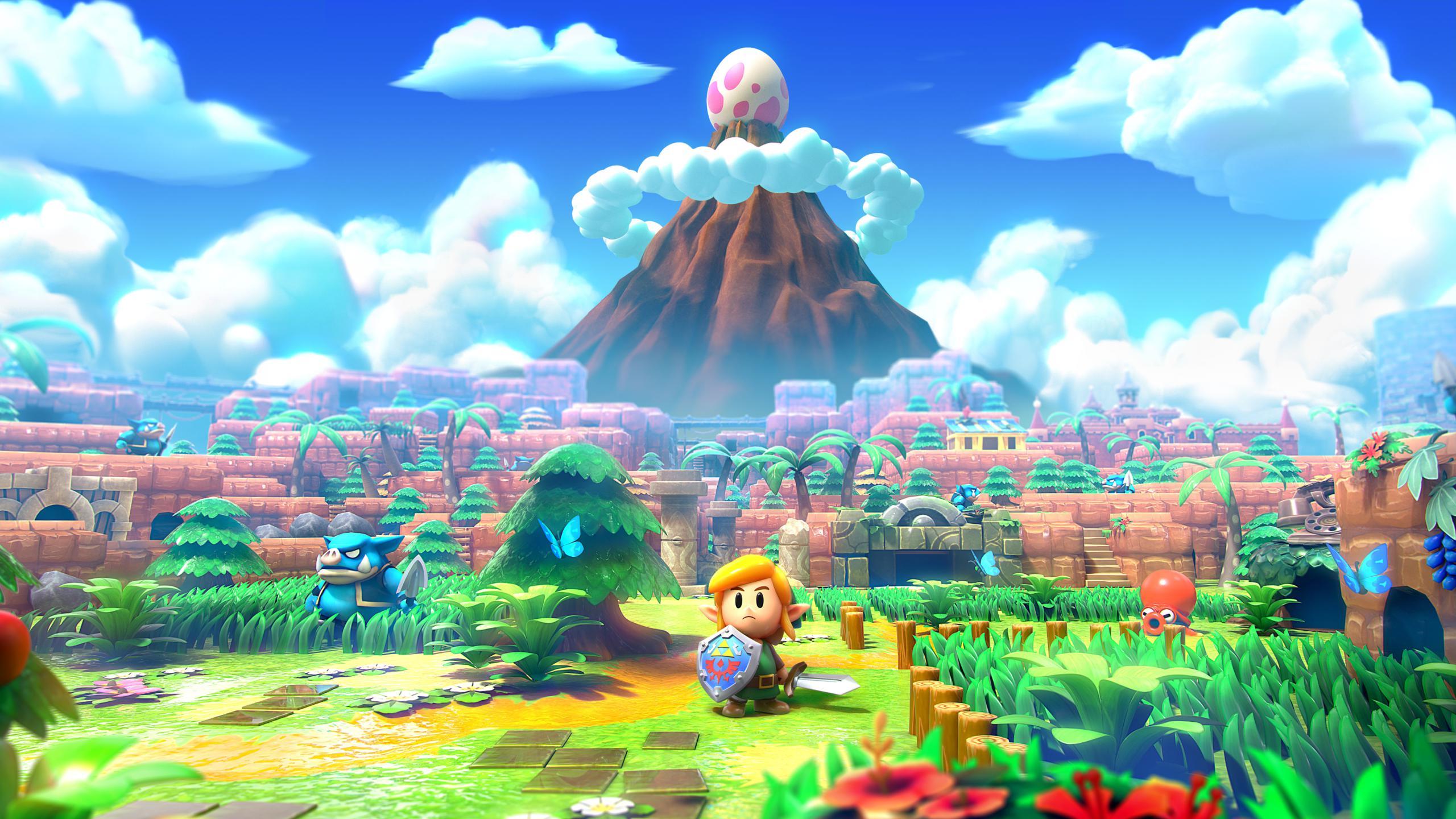
Longtime Nintendo producer and executive officer Takashi Tezuka announced his retirement from the company in May 2026, marking the end of a career that helped define the modern gaming landscape. While players today might experience his influence on portable hardware like the ROG Ally X, Lenovo Legion Go, or MSI Claw, Tezuka’s career began long before the era of handheld PC gaming. His departure follows decades of work that fundamentally altered how developers approach game design, specifically regarding how Takashi Tezuka Reinvented The structure of Legend Of Zelda Without relying on traditional fantasy tropes.
- Game: The Legend of Zelda: Link's Awakening (2019)
- Developer: Nintendo
- Original Release: 2019-09-20
- Metacritic Score: 87
Takashi Tezuka Career Highlights at Nintendo 2026
Tezuka joined Nintendo in the mid-1980s, shortly after graduating from art school. His entry into the industry was unusual; he had little prior exposure to video games and had never heard of Pac-Man before his tenure began. This lack of traditional gaming background proved to be an asset, as his creative proposals were rooted in film and art rather than existing arcade conventions. His early contributions included the creation of the Boos in Super Mario Bros. 3 and the character Yoshi in Super Mario World, both of which became iconic fixtures in Nintendo's Nintendo history coverage.
By the time he took on the role of director for The Legend of Zelda: A Link to the Past, Tezuka had already established a reputation for adding depth to established franchises. However, it was his work on the subsequent handheld title that would solidify his status as a visionary. While A Link to the Past was a technical success, it adhered to the standard fantasy formula of sword-wielding heroes and damsels in distress. Tezuka sought to break this mold when development shifted to the Game Boy.
The Legend of Zelda: Link's Awakening and Experimental Design
The development of The Legend of Zelda: Link's Awakening began as an unofficial "afterschool club" experiment. Developers at Nintendo were secretly testing the capabilities of the Game Boy hardware after hours, attempting to port the SNES experience to a portable format. Tezuka merged these experiments into an official project, using the limitations of the hardware as an excuse to experiment with the series' identity. He famously instructed his team to develop a game that lacked the Triforce, excluded the kingdom of Hyrule, and omitted Princess Zelda entirely.
This decision-making process was heavily influenced by pop culture of the time, specifically the television series Twin Peaks. Tezuka aimed to create a world defined by a small number of mysterious characters in a contained location. This approach required the residents of Koholint Island to behave in an off-kilter, suspicious manner, ensuring the player remained curious throughout the adventure. This shift in tone moved the stakes of the game away from simply defeating a villain toward the more abstract goal of repairing a fractured reality.
The Long-Term Impact of Link's Awakening
The design philosophy introduced by Tezuka during the development of Link's Awakening became a blueprint for future entries in the series. Producer Eiji Aonuma noted that when the team began work on Ocarina of Time, they used Link's Awakening as a primary reference point for world design and character interaction. The quirky, arthouse sensibilities that Tezuka championed became standard signatures for the franchise, influencing the way developers balanced traditional gameplay with narrative experimentation.
The 2019 remake of The Legend of Zelda: Link's Awakening for the Nintendo Switch, which holds an 87 on Metacritic, serves as a modern testament to these design choices. Even decades after the original release, the core mechanics and atmosphere remain distinct within the series. For more on the evolution of these titles, see our Zelda series coverage.
Frequently Asked Questions
Did Takashi Tezuka direct The Legend of Zelda: Link's Awakening?
Yes, Takashi Tezuka served as the director for The Legend of Zelda: Link's Awakening, which was originally released for the Game Boy.
What is Takashi Tezuka's legacy at Nintendo?
Takashi Tezuka is recognized for his significant contributions to major franchises including Super Mario Bros., Animal Crossing, and The Legend of Zelda, often introducing unconventional, artistic design elements.
How did Takashi Tezuka influence The Legend of Zelda series?
Tezuka shifted the series toward more experimental, character-driven narratives, most notably by removing the Triforce, Hyrule, and Zelda herself from the development of Link's Awakening.
Helldivers 2 Status in 2026: Balancing, War Bonds, and Community Feed...Action
Froggy Hates Snow Review: Is It Worth Playing on Xbox in 2026?PC Gaming
Steam Users Have Until May 12 to Get Open World Game Completely FreeAnalysis
Underrated Action Adventure Games Badly Reviewed By Ronald Goncalves ...