


The Sims 2 Music Legacy: How 2000s House Influenced Gaming in 2026
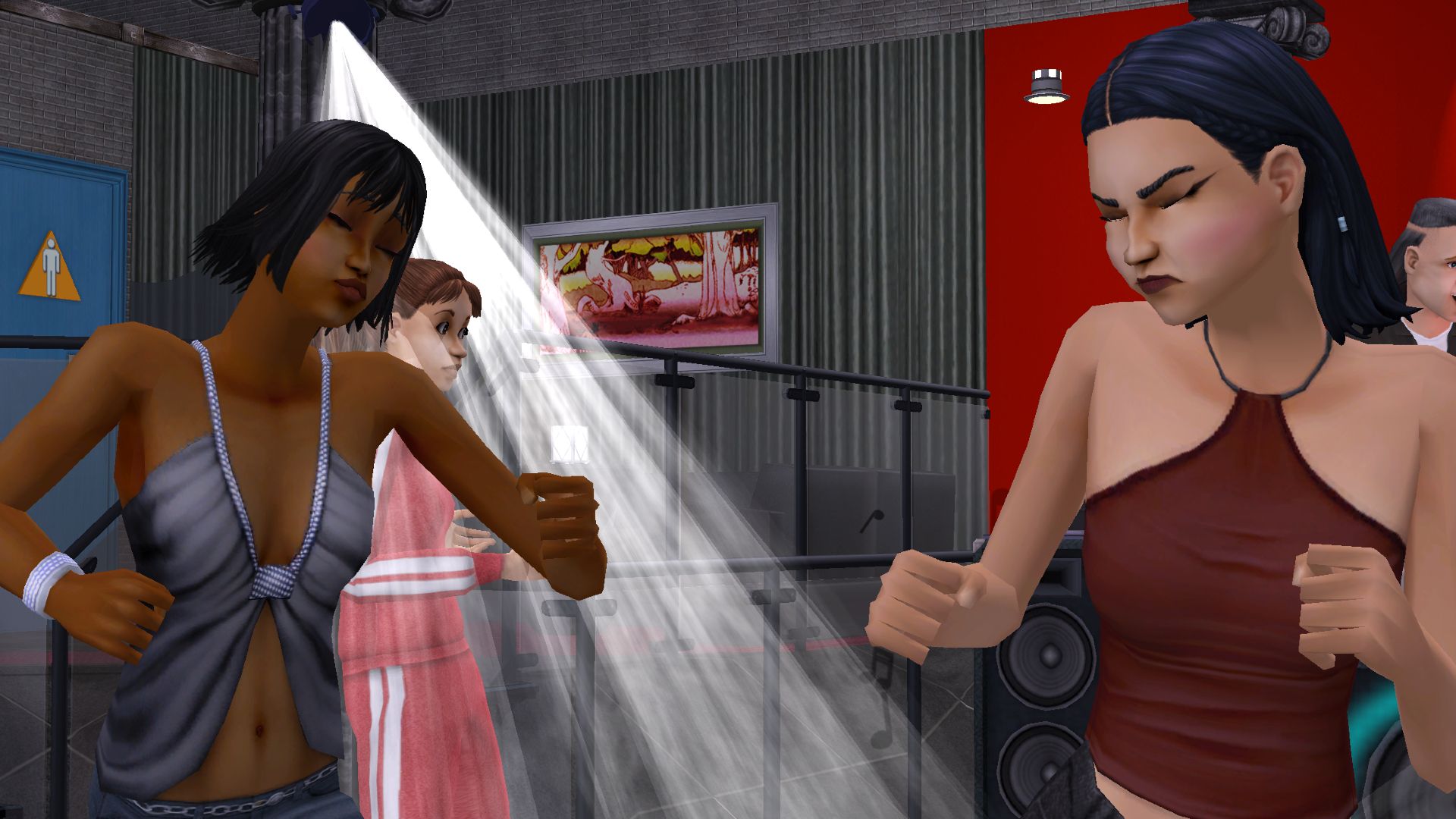
- Game: The Sims 2
- Developer: Maxis
- Release Date: 2004-09-14
- Metacritic Score: 82
- Platforms: PC, Xbox, PlayStation 2, GameCube, Game Boy Advance, Classic Macintosh
While industry discourse in 2026 remains heavily focused on the development of The Sims 5, the upcoming Project Rene, and the rising competition from indie titles like Paralives, the historical impact of The Sims 2 continues to define the life simulation genre. Released on September 14, 2004, by Maxis and published by Electronic Arts, the title maintains an 82 Metacritic score, serving as a benchmark for audio design and cultural integration in gaming. Our coverage at In Game News highlights how the game’s unique approach to soundscapes, specifically the The Sims 2 music legacy analysis 2026, remains a point of study for modern developers.
The Sims 2 Soundtrack Influence on House Music
The audio identity of The Sims 2 was not merely background noise; it was a curated experience that bridged the gap between game design and electronic music culture. Central to this was the Nightlife expansion, which introduced a distinct sonic identity built upon the foundation of the base game's whimsical score. By enlisting prominent electronic artists of the era, the developers successfully integrated high-energy house music into a simulation environment, creating a lasting The Sims 2 music legacy analysis 2026 that persists two decades later.
The integration of professional electronic talent provided a level of authenticity rarely seen in the genre at the time. Players were exposed to sophisticated production techniques, including heavy bass lines and complex synth arrangements, which were previously uncommon in casual simulation titles. This decision by EA to bridge the gap between nightclub culture and domestic gameplay fundamentally altered how players interacted with virtual spaces, turning community lots into authentic dance environments.
Collaborations and Technical Execution
When investigating who composed the music for The Sims 2, the answer involves a split between the core orchestral whimsy of Mark Mothersbaugh and the specialized electronic contributions of the Nightlife expansion. The expansion featured tracks remixed by industry-leading figures, including:
- Junkie XL
- Adam Freeland
- General Midi
- Hyper
- Timo Maas
- Lemon Jelly
The technical execution involved taking existing themes from the base game and the University expansion and reinterpreting them through the lens of electronic dance music. This process ensured that the game retained its recognizable audio DNA while providing a fresh, mature sound for the new community lots. The result was a seamless transition between the game's inherent playfulness and the rhythmic intensity of the house genre, a balance that remains relevant as we look toward the future of simulation games.
Impact on Player Music Taste
Data suggests that how did The Sims 2 shape early 2000s music taste is a question with a clear answer rooted in exposure. By featuring Simlish versions of real-world hits, the franchise acted as a music discovery engine. This was not limited to pop music; the inclusion of professional DJ remixes meant that players were introduced to house, breakbeat, and electronic production styles as a standard component of their gaming experience. Many players who grew up with the title cite these soundtracks as their first meaningful contact with electronic music production.
This phenomenon extends to the present day. In 2026, the influence of these early soundscapes can be heard in the way modern life sims approach audio design. The legacy of these tracks is not just in their nostalgia, but in the precedent they set for treating game soundtracks as standalone musical products that can stand alongside commercial releases. For more on how legacy titles continue to influence modern development, see our retrospective gaming news.
Comparison of Life Simulation Audio Design
The evolution of audio in the life simulation genre reflects changing player expectations. While The Sims 2 relied on genre-defining remixes, modern titles like Paralives are exploring different avenues for immersion. The following table outlines the differences in approach:
| Feature | The Sims 2 Approach | Modern Simulation Standards |
|---|---|---|
| Music Curation | Professional DJ Remixes | Dynamic/Procedural Soundscapes |
| Cultural Integration | Simlish Pop/Electronic | Global/Indie Artist Collaborations |
| Primary Focus | Atmospheric Identity | User-Generated/Custom Radio |
The shift toward user-generated content and custom radio stations in contemporary gaming has changed the landscape, but the foundational work done by Maxis in 2004 remains a critical reference point. By prioritizing high-quality, genre-specific production, the developers of The Sims 2 established a standard for audio quality that creators of Project Rene and other upcoming titles must respect to maintain player engagement.
The Legacy of Nightlife
The Nightlife expansion is frequently cited as a turning point for the franchise. Beyond the introduction of vampires and new aspiration systems, its contribution to the game’s audio identity is unparalleled. By moving away from the purely orchestral roots of the base game, it demonstrated that the simulation genre could accommodate diverse musical styles without losing its core identity. This flexibility has allowed the franchise to incorporate everything from indie rock to high-energy electronic music in subsequent iterations.
As we observe the current state of the genre in 2026, the question of whether did EA hire professional DJs for The Sims 2 is often met with surprise by newer players. The fact that such high-profile artists were involved in a 2004 expansion highlights the ambition of the development team at the time. This commitment to quality is precisely what continues to drive interest in the title, keeping it in the conversation alongside modern AAA releases and highly anticipated indie projects.
Frequently Asked Questions
Who composed the music for The Sims 2?
The original score for The Sims 2 was composed by Mark Mothersbaugh, while the Nightlife expansion featured contributions from various electronic artists and DJs.
Did EA hire professional DJs for The Sims 2?
Yes, for the Nightlife expansion, EA collaborated with professional electronic artists and DJs including Junkie XL, Adam Freeland, General Midi, Hyper, and Timo Maas.
How did The Sims 2 shape early 2000s music taste?
The game introduced players to Simlish versions of popular tracks and high-quality electronic remixes, effectively acting as a discovery platform for genres like house music.