

The Witcher 4 and Project Polaris Hype Grows as Geralt Returns to Spotlight
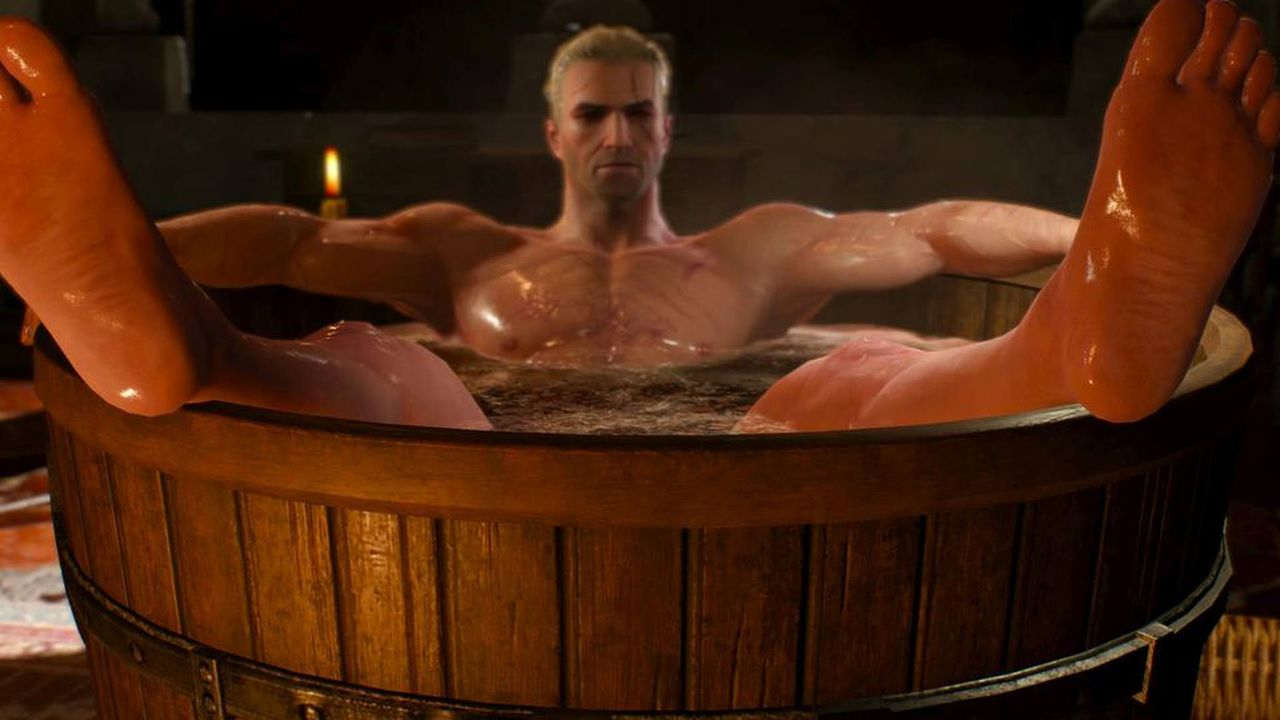
- Game: The Witcher 3: Wild Hunt
- Developer: CD Projekt Red
- Release Date: 2015-05-18
- Metacritic Score: 92
Industry anticipation for The Witcher 4, currently known by the internal codename Project Polaris, has reached new heights as players and developers alike revisit the legacy of Geralt of Rivia. While the industry attention has recently been occupied by major live-service titles like Destiny 2 and its expansion The Final Shape, the foundational success of The Witcher 3: Wild Hunt continues to serve as a primary reference point for narrative-driven design. At In Game News, we have monitored how veteran industry figures are now framing the 2015 classic for a new generation of players who were not yet of age when the title first arrived on consoles and PC.
The Enduring Legacy of The Witcher 3 in 2026
As we navigate the gaming landscape of 2026, questions regarding is The Witcher 3 worth playing in 2026 are frequently addressed by both critics and developers. The title, developed by CD Projekt Red, holds a 92 Metacritic score, a figure that has remained consistent over the last decade. The discussion has shifted from simple technical reviews to a broader appreciation of the game's structural integrity. Former leadership from the development team behind Destiny 2 recently offered perspective on the game's longevity, emphasizing that the barrier to entry for younger players is primarily chronological rather than qualitative.
The sentiment expressed by industry veterans suggests that the title's content, specifically the expansions, provided a blueprint for how to handle long-term player engagement. When discussing what did former Destiny 2 boss say about The Witcher 3 DLC, the focus remains on the sheer volume and quality of the narrative additions. These expansions did not merely add mechanical depth; they expanded the emotional stakes of the world, a feat that many modern developers still look toward when planning their own roadmaps.
Connecting Project Polaris to the Past
The transition toward Project Polaris represents a significant shift for CD Projekt Red. As the studio moves forward, the lessons learned from the development of The Witcher 3: Wild Hunt are being applied to the next chapter of the franchise. For those tracking new The Witcher 3 DLC details and developer reactions, it is clear that the studio is prioritizing the same level of narrative density that defined the original trilogy. You can find more analysis on our CD Projekt Red coverage regarding how these design philosophies are evolving.
The industry consensus is that the upcoming title will need to balance the expectations of veteran fans who grew up with the series and new players who are discovering the franchise for the first time. The challenge for Project Polaris is to maintain the identity of the series while modernizing the systems that have evolved since 2015. This balance is a common theme in our RPG news updates, where we track how studios iterate on successful formulas.
Why The Witcher 3 Remains Relevant for New Players
For those asking why is The Witcher 3 still relevant for new players in 2026, the answer lies in the accessibility of its core systems. Despite being released over a decade ago, the game’s mechanics remain intuitive. The following list highlights the factors contributing to its continued presence in the gaming zeitgeist:
- Narrative Depth: The branching quest structure allows for high replayability, which remains rare in modern open-world titles.
- World Design: The environment is built with a focus on environmental storytelling rather than repetitive map markers.
- Character Writing: The portrayal of Geralt and the supporting cast provides a benchmark for character-driven RPGs.
- Technical Scalability: The game has received various updates and ports, making it playable on modern hardware including the PlayStation 5 and Xbox Series X.
Industry Perspectives on Expansion Content
The conversation regarding what is the latest news on The Witcher 3 expansions often circles back to how these packages redefined player expectations for post-launch support. Unlike many modern games that focus on microtransactions or seasonal passes, the approach taken by CD Projekt Red was to provide substantial, story-driven content. Former executives in the industry have noted that this approach created a level of trust between the studio and the player base that is difficult to replicate.
This trust is a key asset as the studio prepares to reveal more about their future projects. By maintaining a focus on high-quality content, the developers have ensured that the brand remains strong, even during periods where no new software is being released. This strategy is frequently cited in professional circles as a model for sustainable growth in the high-budget RPG sector.
Frequently Asked Questions
As we continue our reporting at In Game News, we have compiled the most common inquiries from our readers regarding the current state of the franchise.
Is The Witcher 3 worth playing in 2026?
Yes, The Witcher 3: Wild Hunt remains highly relevant in 2026 due to its enduring narrative quality, extensive world-building, and continued relevance as a benchmark for the action RPG genre.
What did the former Destiny 2 boss say about The Witcher 3 DLC?
The former Destiny 2 executive noted that a significant portion of the current gaming generation was not of age to play the title when it originally launched in 2015.
What is the latest news on The Witcher 3 expansions?
Recent industry discourse highlights the lasting impact of the game's expansions, which continue to be cited by developers as a gold standard for post-launch content.
Game Pass February/March Lineup Revealed: Avowed, Avatar, and New RPGsAlexander Fandera-Maslov
New Witcher 3 Story Mod 'Dawn over Kovir' Released: Play as Ciri, Pre...Brothers in Arms Mod
Brothers in Arms Mod Announces v3.1.0: Shani's Restored Dark Ending a...Batman: Arkham Knight
CD Projekt Red Feared Arkham Knight Would Overshadow Witcher 3