
Why Exploration Without Map Markers Defines 2026 Gaming Trends
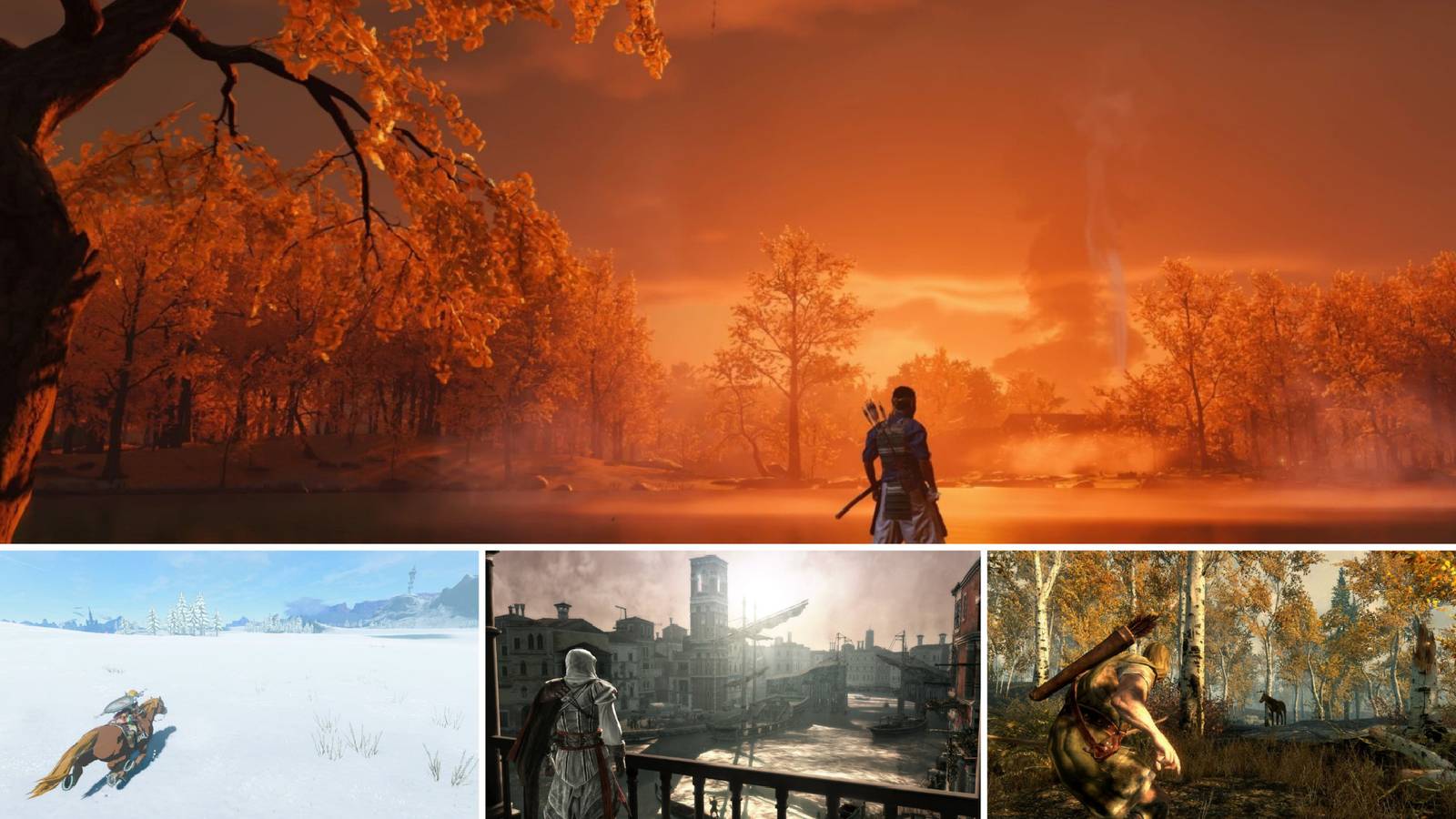
- Primary Focus: Exploration without UI assistance
- Featured Titles: Baldur's Gate 3, The Witcher 3, Ghost of Tsushima
- Key Industry Trend: Minimalist HUD design in 2026
- Developer Context: Larian Studios and CD Projekt Red
Modern gaming experiences, including critically acclaimed titles like Baldur's Gate 3 developed by Larian Studios, have shifted the focus toward player-driven discovery. While many players rely on traditional mini-map markers to navigate, a growing trend in 2026 suggests that turning off these navigational aids creates a more immersive experience in BG3 and upcoming titles such as The Witcher 4, also known as Project Polaris. By removing the digital tether of a map, players are forced to interact with the environment, leading to a deeper understanding of the game world.
The Shift Toward Minimalist UI in 2026
As we move further into 2026, the design philosophy behind the best open world games to explore without a map 2026 has become a focal point for developers. In our coverage at In Game News, we have observed that titles that reward curiosity over following a waypoint marker often receive higher engagement from players seeking immersion. The reliance on icons and breadcrumb trails often distracts from the visual storytelling present in the world. When players disable these markers, they begin to notice architectural landmarks, environmental shifts, and subtle audio cues that would otherwise go unnoticed.
The transition toward this style of play is evident in how players approach large-scale RPGs. For example, in The Witcher 3: Wild Hunt, turning off the mini-map allows the player to appreciate the scale of the world designed by CD Projekt Red. This is a practice that will likely carry over to the anticipated Project Polaris, as developers continue to prioritize environmental design that guides the player naturally.
Why Exploration is Better Without Map Markers in Open World Games
The primary benefit of abandoning the map is the restoration of player agency. When a game provides a clear path to an objective, the player often enters a state of autopilot. By contrast, games like Zelda Breath of the Wild that reward exploration through verticality and visual landmarks demonstrate that the journey is as important as the destination. This design philosophy is central to understanding why exploration is better without map markers in open world games, as it forces the player to become an active participant in navigation rather than a passive follower of icons.
When implementing this style of play, consider the following strategies to maintain orientation:
- Use Environmental Landmarks: Identify unique structures, mountains, or weather patterns to orient yourself.
- Follow In-Game Signage: Many modern RPGs include road signs or NPC dialogue that provides directions, which are often ignored when a mini-map is active.
- Adjust HUD Settings: Most multi-platform titles on PlayStation 5, Xbox Series X, and PC allow for the granular toggling of HUD elements.
- Observe NPC Behavior: NPCs often move with purpose; following them can lead to hidden locations or side quests.
Adapting to Immersion-Focused RPGs
For those interested in how to play open world games without using the mini map, the key is patience. In the early stages of a playthrough, it is common to feel disoriented. However, as the player learns the geometry of the world, the need for a map diminishes. This is particularly true for what are the best exploration focused RPGs for immersion, where the world is crafted to be navigable through natural sightlines. Baldur's Gate 3, while not a traditional open-world game in the sense of a massive single continent, benefits significantly from this approach during its exploration phases.
The psychological impact of this playstyle cannot be understated. By removing the map, the anxiety of "clearing" a list of objectives is replaced by the satisfaction of discovery. This shift is essential for players who feel that modern games have become too formulaic. When the map is gone, the player is no longer checking off boxes; they are inhabiting the space.
Comparing Navigation Styles
| Feature | With Mini-Map | Without Mini-Map |
|---|---|---|
| Engagement | Passive/Objective-focused | Active/Environment-focused |
| Immersion | Low (HUD distraction) | High (Cinematic view) |
| Discovery | Guided by icons | Organic/Chance-based |
As industry standards evolve toward more player-centric design, we expect to see more titles following the lead of The Witcher 4 and other major releases. The goal for developers is to create worlds that are intuitive enough that a map is a luxury rather than a necessity. For the player, this means that the tools to navigate are already present in the game's art and architecture. Whether you are traversing the landscapes of a fantasy epic or a historical drama, the decision to hide the HUD might be the most effective way to experience the effort put into the world-building.
At In Game News, we will continue to monitor how these design choices impact the player experience in upcoming releases. The trend toward minimal UI is not just a stylistic choice; it is a fundamental shift in how we interact with digital spaces. By embracing the unknown, players find that the most rewarding moments are often those that were never marked on a map to begin with.
Frequently Asked Questions
Why is exploration better without map markers in open world games?
Removing map markers forces players to engage with the environment, landmarks, and visual cues, which increases immersion and encourages organic discovery of game content.
How to play open world games without using the mini map?
Players can disable HUD elements in the game settings menu or rely on environmental navigation, such as following roads, tracking sun positions, or using in-game signage to reach objectives.
What are the best exploration focused RPGs for immersion?
Titles like Baldur's Gate 3, The Witcher 3: Wild Hunt, and upcoming projects like The Witcher 4 are frequently cited for their dense, rewarding environments that benefit from a minimal HUD approach.
Elon Musk vs Sam Altman: What We Know Just Made About OpenAI Legal CaseAdventure
Empulse Game Steam Page Details: Splitgate Devs Target 2026 ReleaseAction
Warren Spector's New Stealth Title: Is It A True Thief Successor in 2...Nintendo
Pokémon Professor Sign-Up Dispute: Why a Man is Suing in 2026