
Why Triple-A Studios Have Moved On From Uncharted 4 in 2026
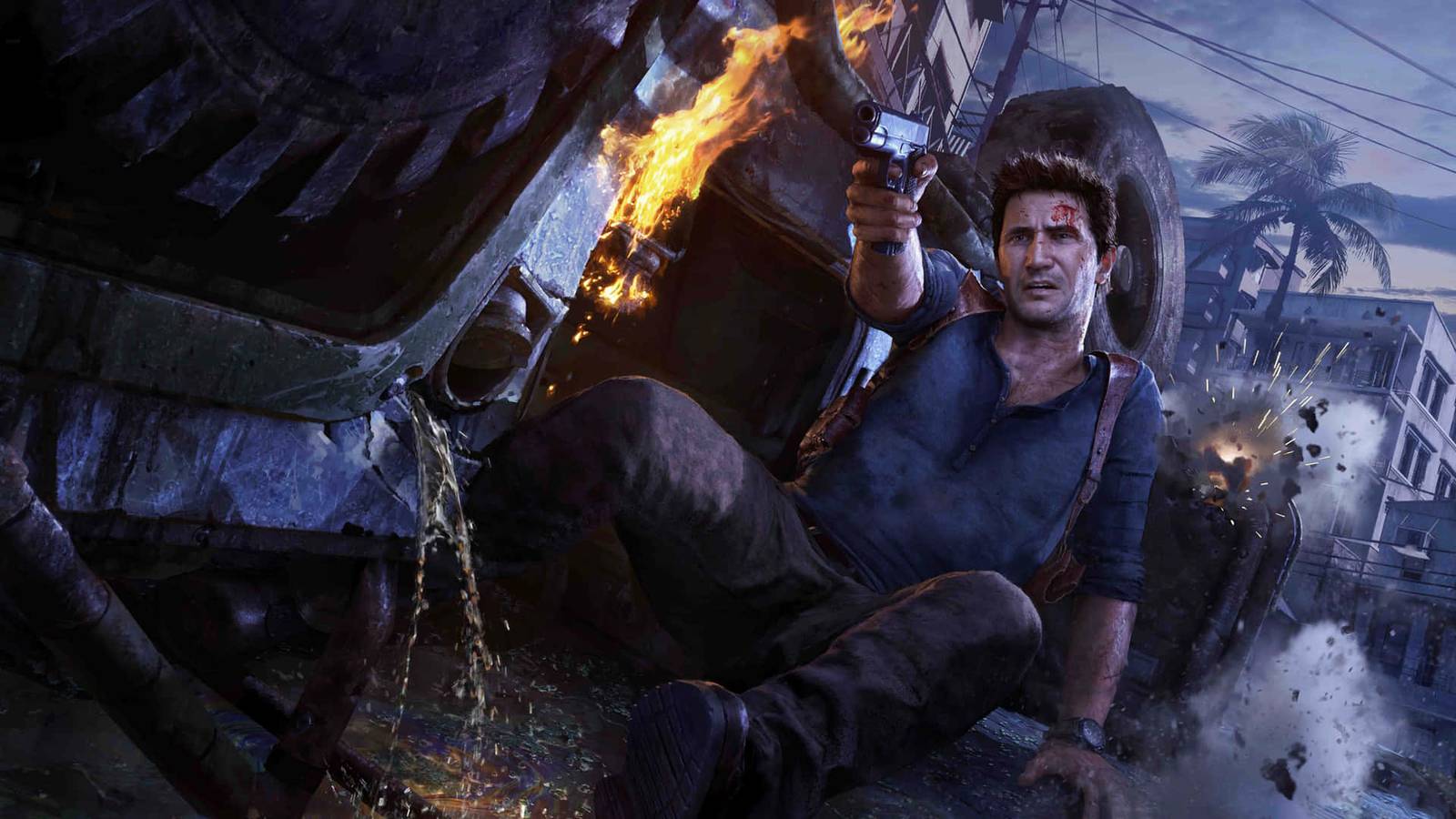
- Game: Uncharted 4: A Thief’s End
- Developer: Naughty Dog
- Metacritic Score: 93
- Original Release Date: May 10, 2016
- Platforms: PlayStation 4, PlayStation 5
Why Triple-A studios have largely moved on from Uncharted 4: A Thief's End in 2026 is a question of industry evolution, as the title remains a standard-bearer for action games a decade after its initial release. Developed by Naughty Dog and published by Sony Interactive Entertainment, the game reached its ten-year anniversary this past weekend, serving as a reminder of the shift in blockbuster development cycles.
The Legacy of Uncharted 4: A Thief's End
Since the launch of Uncharted 4: A Thief's End on May 10, 2016, Naughty Dog has maintained a notably sparse release schedule. In the decade following this action-shooter title, the studio has released only one major new original project, The Last of Us Part 2, alongside various remasters and ports. This output frequency highlights the changing nature of high-budget game production, where narrative prestige and graphical fidelity demand significant development time, often leaving little room for experimental projects.
At In Game News, our coverage often points to how this specific title influenced modern industry standards. With a Metacritic score of 93, the game established a high bar for cinematic action. However, the industry's move toward longer development cycles means that studios are increasingly cautious. As we look ahead to the upcoming release of Intergalactic: The Heretic Prophet in 2027, it remains unclear how long the wait will be for future original intellectual properties from the developer.
Development History and Creative Shifts
The production of Uncharted 4: A Thief's End was marked by significant internal changes. Initially, the project was led by creative director Amy Hennig. Reports indicate that the game underwent a major transition when leadership shifted to Bruce Straley and Neil Druckmann. This change occurred after the project failed to meet specific internal milestones or quality benchmarks under the previous direction.
The transition brought a distinct change in tone. Having recently completed work on The Last of Us, the new directors steered the project toward a more introspective and serious narrative. The swashbuckling, lighthearted nature of Nathan Drake's earlier adventures was replaced by a more grounded, character-focused story that examined the personal costs of the protagonist's lifestyle. This pivot is often cited as a key reason why the game maintains such strong resonance with players today.
Design Influence on Modern Games
The design philosophy of Uncharted 4: A Thief's End continues to permeate the action-adventure genre. Its integration of traversal mechanics, environmental storytelling, and combat encounters set a template for how third-person shooters handle pacing. Modern titles frequently look back at the 2016 release to understand how to blend scripted set pieces with player agency.
For those tracking the evolution of the medium, you can find more analysis in our retrospective gaming news coverage. The industry's current focus on "prestige" titles—games that prioritize high-end visuals and cinematic direction—is a model that Naughty Dog helped solidify with this release.
Why Modern Studios Have Moved On
The move away from the style of Uncharted 4: A Thief's End is not a rejection of its quality, but a reflection of the current economic and technical reality of game development. The following factors illustrate why the industry has shifted its focus:
- Development Costs: The budget required to achieve the visual fidelity seen in 2016 has ballooned, limiting the number of projects a studio can sustain simultaneously.
- Narrative Focus: The push for deeper, more emotionally complex storytelling often requires longer writing and performance-capture cycles.
- Platform Exclusivity: The PlayStation model emphasizes high-impact, exclusive titles that serve as tentpoles for the hardware, which necessitates longer gaps between releases.
- Technical Complexity: Modern game engines require more time for optimization, especially when targeting both PlayStation 4 and PlayStation 5 hardware.
While the game remains a gold standard for many, the industry has clearly transitioned into a phase where "less is more" regarding the frequency of releases. As we track these trends, readers can stay updated via our industry analysis reports.
Frequently Asked Questions
Why is Uncharted 4: A Thief's End still relevant in 2026?
Uncharted 4 remains relevant due to its high-quality visual fidelity, complex character-driven storytelling, and refined action set pieces that continue to serve as a benchmark for the action-adventure genre.
How does Uncharted 4: A Thief's End hold up today?
The game holds up as a technical and narrative achievement, maintaining a Metacritic score of 93 and demonstrating a level of polish that many modern titles struggle to replicate.
Why did Naughty Dog change the direction of Uncharted 4 during development?
The project underwent a leadership change from Amy Hennig to Bruce Straley and Neil Druckmann, who shifted the tone toward a more introspective and serious narrative style following their work on The Last of Us.