
10 Brutal PS1 JRPGs That Didn't Explain Their Own Mechanics
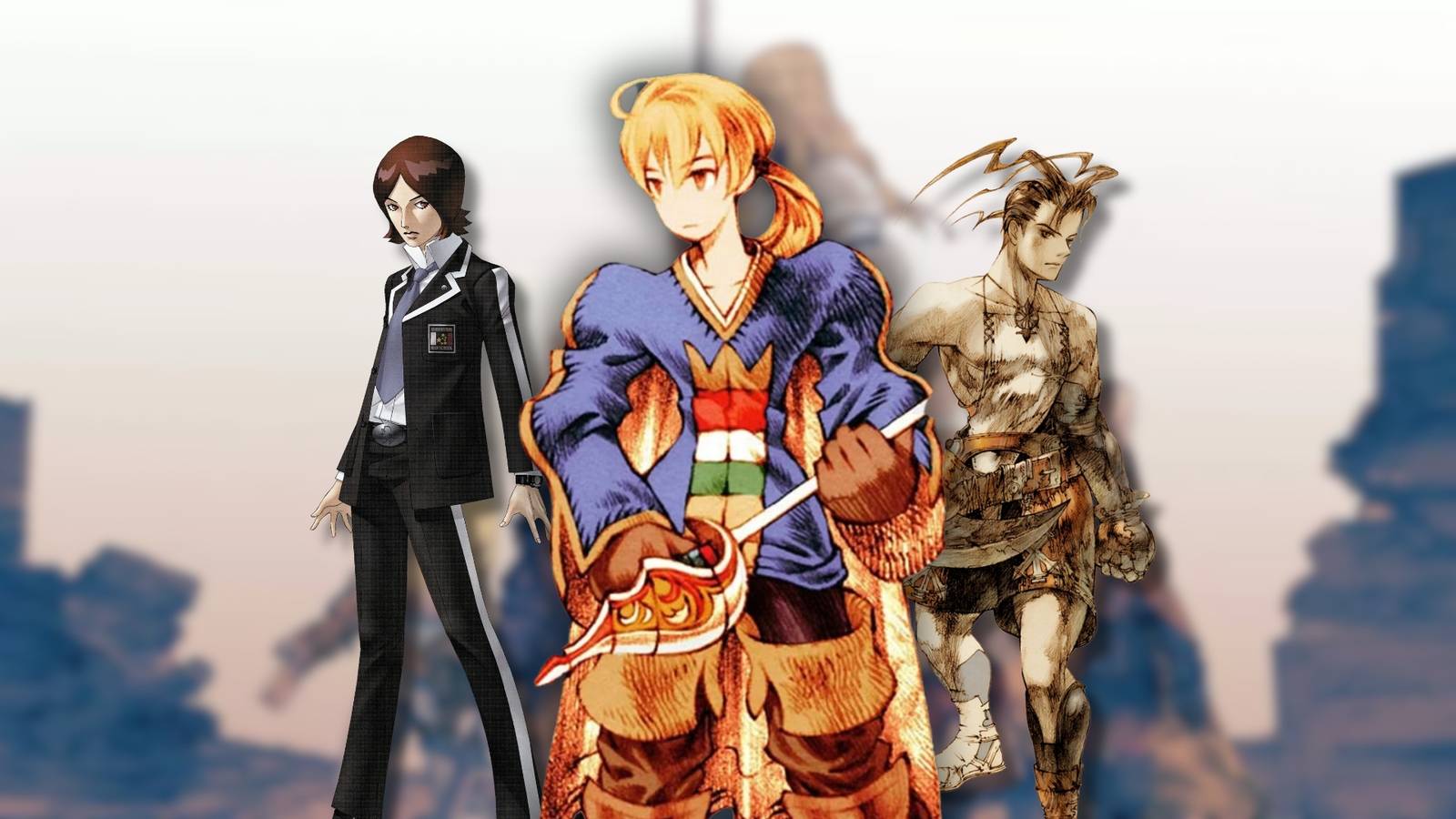
Back in the day, video games shipped with an ancient relic known as a game manual. Developers genuinely expected players to read those sacred texts to grasp how mechanics worked before diving into the daunting worlds of JRPGs. Newsflash: that didn't happen. Most of us just booted up the game without reading a single word, which made the experience with several PlayStation 1 titles incredibly agonizing. If you played these games completely blind, you likely struggled with some of the hardest PlayStation 1 JRPGs ever released.
- Platform: PlayStation 1
- Genre: JRPG / Tactical / Simulation
- Common Struggle: Lack of in-game tutorials
- Key Titles: Final Fantasy Tactics, SaGa Frontier, Star Ocean
10. Star Ocean: The Second Story
Developed by Tri-Ace, Star Ocean: The Second Story isn't difficult from the jump, but it features an insane difficulty spike that hits like a runaway bulldozer. While mastering the Item Creation system can trivialize the challenge, it is not a manageable strategy for a blind first playthrough.
9. The Legend of Dragoon
This title isn't brutally hard by design, but it demands rhythm. The "Additions" combo system requires timed button presses for every attack. If you lack that sense of rhythm, your damage output remains pitiful, and battles will drag on endlessly.
8. Legend of Mana
While the combat is manageable, the progression structure is incredibly obtuse. Players eventually hit a wall where they have no artifacts left and must endlessly backtrack to trigger hidden sidequests. Navigating the world requires a guide, as the path forward is entirely unexplained.
7. Vagrant Story
Vagrant Story is a brilliant but unforgiving action-RPG. The game forces you to manage a "Risk" gauge, where chaining combos increases your offensive power but makes you take significantly more damage. Neglecting the deep crafting system—which is required to exploit enemy weaknesses—is a common pitfall for new players.
6. Hoshigami: Ruining Blue Earth
This is arguably one of the most punishing tactical games on the console. It packs excessive mechanics like element management and the RAP gauge into grid combat, then adds the layer of permadeath. For a game that requires heavy grinding, the threat of losing characters permanently is particularly sadistic.
5. Digimon World
Raising a Digimon partner in this simulation RPG is like managing a digital toddler. You don't directly control your partner in battle; you shout orders and pray it listens. Furthermore, failing to meet specific stat requirements often leads to your Digimon digivolving into a Numemon, a giant sludge monster.
4. Monster Rancher 2
Without the aid of modern internet walkthroughs, players often ran their monsters into the ground until they died. The intended strategy involves retiring, freezing, and fusing monsters to increase base stats over generations. Without this knowledge, the final tournaments feel like an unannounced extra-hard mode.
3. Persona 2
Before the series found massive success with modern entries, Persona 2 followed the brutal difficulty standards of its parent series, Shin Megami Tensei. While the gameplay loop can feel tedious and archaic compared to today's standards, the challenge is more about the slog through its systems than raw combat difficulty.
2. Final Fantasy Tactics
Square’s tactical classic is famous for its lack of hand-holding. Players are frequently soft-locked by difficult encounters, such as the infamous gauntlet at Riovanes Castle. Without the quality-of-life additions found in later versions, unprepared players often find themselves trapped with no way to progress.
1. SaGa Frontier
SaGa Frontier is the definition of an unorthodox JRPG. Its freeform exploration and attribute-based progression are rarely explained. Picking the wrong scenario can lead to wandering into high-level areas where monsters scale up too quickly, leaving players to be one-shot in battle with no clear understanding of how to improve their standing.