
Destiny: Looking Back at Bungie’s Most Polarizing FPS
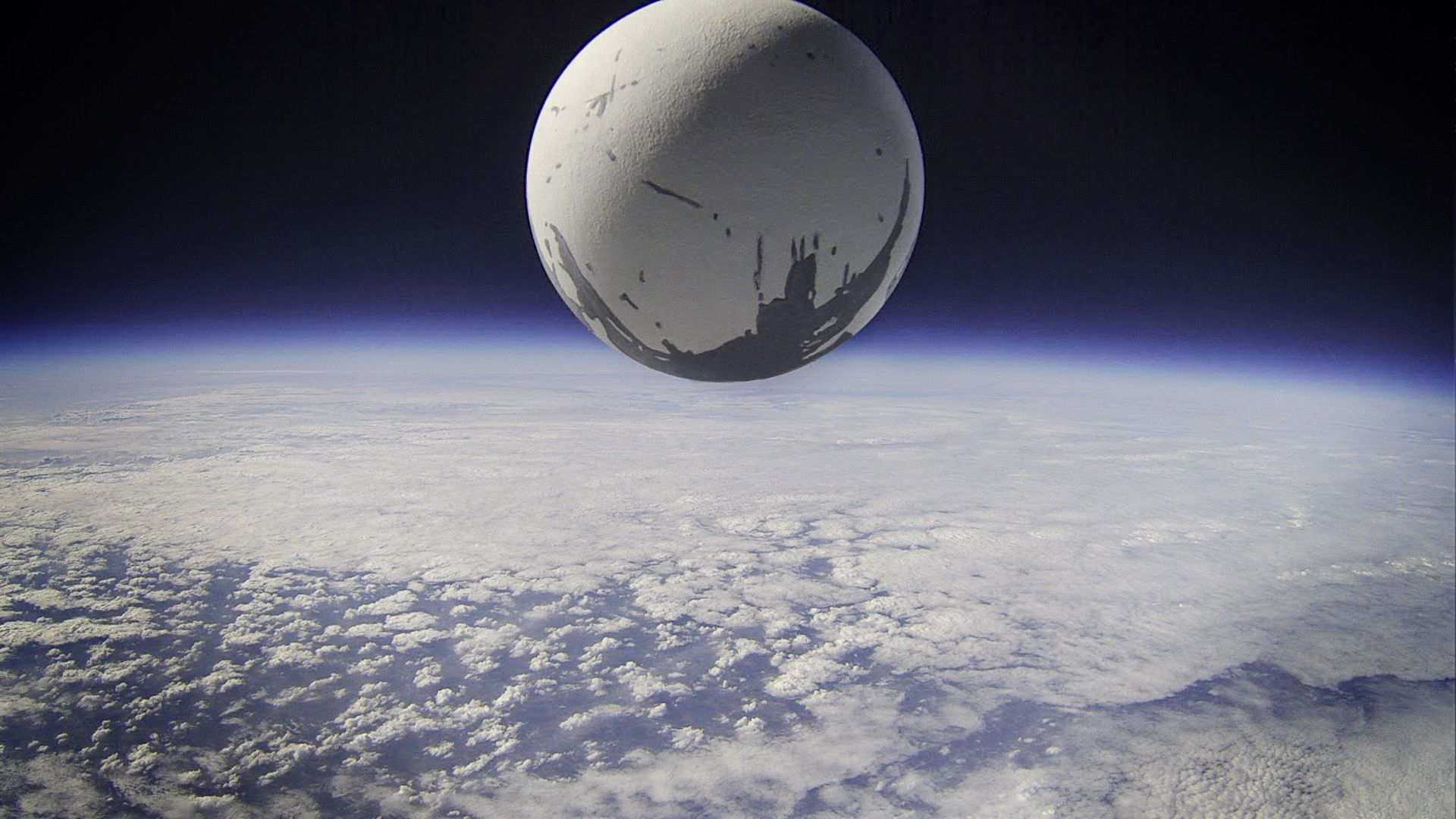
Everyone who has played Destiny has a story. They’ll likely have a few, but ask them to pick their most memorable, and it will probably involve the pursuit of the Gjallarhorn—the all-conquering rocket launcher that dominated the game’s first year. Some players spent weeks firing rockets at an impervious chest in the Vault of Glass, hoping to see the coveted weapon pop out, just one example of the lengths the community went to in those early, desperate days.
Launched in September 2014 across Xbox One, PlayStation 4, Xbox 360, and PlayStation 3, Destiny quickly proved to be something very different from the experience Bungie had promised. The game’s story felt fleeting, and players hit the level 20 cap within days. With nothing left to do, players were funneled into a repetitive loop of grinding for Light, which served as the true measure of a Guardian’s power.
The Grind and the RNG
In the absence of meaningful content, Bungie relied on punishing difficulty and a stingy random loot system. The weekly Nightfall Strike, for instance, offered some of the best potential rewards, but if a three-person team wiped, they were kicked to orbit and forced to restart the entire mission. Faced with these odds, players naturally tried to cheat the system. Some hid under platforms to exploit boss AI with the Ice Breaker sniper rifle, while others spent hours mindlessly firing into the infamous “loot cave” in Old Russia’s Skywatch zone. Bungie eventually patched both, forcing players back into the intended, albeit grind-heavy, cycle.
The game likely would have failed if not for the Vault of Glass (VOG). Launched a week after the base game, it was the first time Destiny offered something beyond linear missions and bullet-sponge bosses. It required six players to coordinate, solve complex mechanics, and navigate platforming puzzles. It was difficult—the first team to clear it took over 10 hours—but it set a standard for co-op gaming that arguably remains the game’s peak.
The Legacy of Gear and Balance
VOG also highlighted the game's two biggest hurdles: overpowered gear and reliance on RNG. Weapons like the Fatebringer hand cannon were legendary for their utility, but the meta eventually became rigid. During the Crota’s End raid, matchmaking listings frequently demanded that players possess a Gjallarhorn just to participate. Simultaneously, the “Forever 29” phenomenon became a symbol of frustration, as players remained one armor drop away from the level 30 cap due to the game's reliance on random chance.
Bungie spent years addressing these issues, eventually creating a fairer, more generous experience where the most powerful gear was accessible through clear, fixed paths. Yet, as the studio refined the game, some of the magic of those early, chaotic days faded. The randomness that once defined the experience—the highs and lows that kept players coming back—was gradually smoothed out.
Ultimately, Destiny succeeded because, beneath the content droughts and the flawed loot systems, it was a rock-solid FPS. By blending the mechanics of an MMO—cooldowns, super moves, and custom subclasses—with the gunplay Bungie was famous for, it subverted expectations. As the book closes on Destiny, the lingering impression isn't just of a shooter, but of a game that somehow managed to be the best experience available, even when, by any objective standard, it was at its absolute worst.