
Gs Where the World Feels Like It Is Slowly Falling Apart Around You
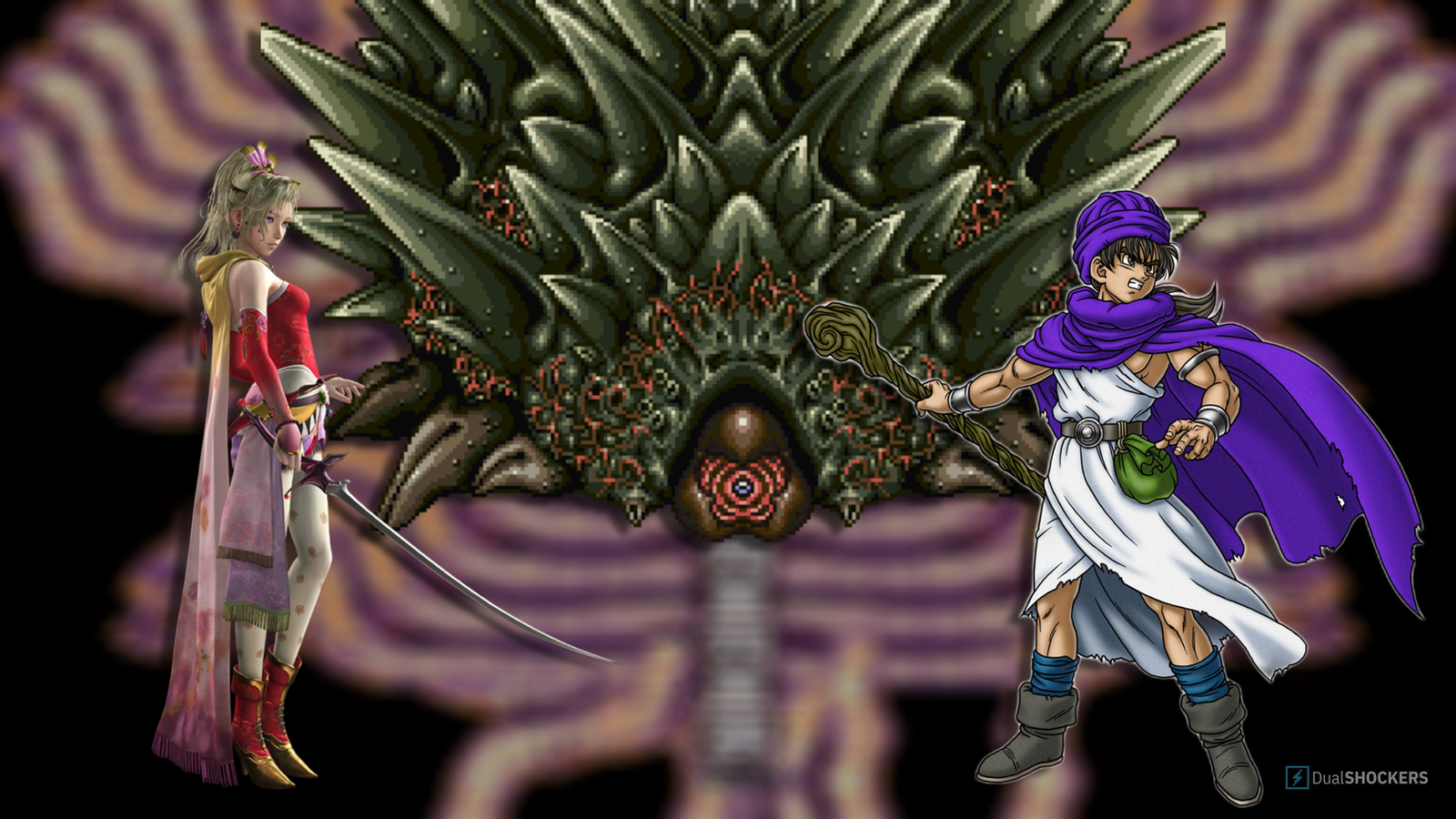
- Game: Secret of Evermore and Illusion of Gaia
- Developer: Square Enix and Quintet
- Platform: Super Nintendo Entertainment System (SNES)
- Published: Jun 9, 2026
Gs Where the World Feels Like It Is Slowly Falling Apart Around the player by Daniel Trock, published Jun 9, 2026, highlights how 16-bit hardware successfully delivered high-stakes apocalyptic narratives. While modern audiences often associate disaster storytelling with high-fidelity 3D visuals, the Super Nintendo Entertainment System proved that technical limitations did not prevent developers from crafting worlds on the brink of total collapse. This report examines how these classic 16-bit JRPGs with dark apocalyptic storylines continue to resonate with fans of the genre in 2026.
The Evolution of Apocalyptic Themes in 16-Bit JRPGs
The Super Nintendo Entertainment System served as a primary incubator for the JRPG genre, benefiting from increased processing power that allowed for more complex narrative structures compared to the 8-bit era. As noted in our coverage at In Game News, these advancements enabled developers to move beyond simple quest-based loops into stories involving planetary destruction and societal instability. Even without modern rendering capabilities, the emotional weight of a world nearing its end remained a powerful hook for players.
For fans looking for the best SNES JRPGs with apocalyptic themes in 2026, the library offers several notable examples. These games often focus on the tension of a world that is metaphorically or literally unraveling, where characters must navigate environments that have become increasingly vicious or unstable. This sense of urgency defines the experience, transforming the gameplay into a race against entropy.
Secret of Evermore and the Fragility of Artificial Worlds
One primary example of this narrative style is Secret of Evermore, an action RPG developed and published by Square Enix, released on October 1, 1995. The game follows a young protagonist and his canine companion who are transported into a series of disconnected, fabricated worlds after interacting with a strange device in an abandoned mansion. These worlds are not natural; they are constructed utopias designed by individuals trapped within the expanse.
The Threat of Total Instability
The stakes in Secret of Evermore escalate when the hero encounters a legion of hostile robots led by a germophobic robotic butler. The narrative tension centers on the butler’s desire to destroy the entire fabricated realm. As the game progresses, the world begins to show signs of structural failure, particularly after the antagonist is confronted. This serves as a cautionary tale within the game’s lore: attempting to live inside a constructed reality often leads to catastrophic instability. For more on how these classic titles hold up, visit our retro gaming reviews.
Illusion of Gaia and the Nature of Destruction
Another significant title often discussed by enthusiasts of top rated SNES JRPGs for fans of dark fantasy 2026 is Illusion of Gaia. Developed by Quintet and published by Nintendo on November 27, 1993, this action RPG leans heavily into the concept of a world that is slowly falling apart. Unlike traditional fantasy settings, Illusion of Gaia presents a world where the environment itself feels threatened by dark forces, forcing players to grapple with the reality of an impending end-time scenario.
The game’s approach to apocalyptic storytelling relies on the player’s observation of the environment. As the narrative unfolds, the sense of dread increases, mirroring the physical decay of the game world. By focusing on the psychological impact of a world in decline, Quintet successfully created an atmosphere that remains distinct within the SNES library.
Comparing Apocalyptic Narratives on the SNES
The following table outlines the key elements that contribute to the apocalyptic atmosphere in these classic titles:
| Game Title | Primary Conflict | Nature of Apocalypse |
|---|---|---|
| Secret of Evermore | Robotic takeover of artificial worlds | Structural instability and collapse |
| Illusion of Gaia | Dark forces threatening the planet | Environmental and societal decay |
These games demonstrate that the effectiveness of an apocalyptic narrative is not tied to the number of polygons on screen. Instead, it relies on the writing and the player's ability to perceive the stakes through the lens of the game’s internal logic. Whether it is a virtual world failing or a physical planet facing destruction, the 16-bit era provided a foundation for these themes that continues to influence modern game design.
Frequently Asked Questions
What are the best SNES JRPGs where the world is falling apart?
Titles such as Secret of Evermore and Illusion of Gaia are frequently cited as top examples of 16-bit JRPGs that feature dark, apocalyptic narrative themes.
Which SNES JRPGs feature a world ending narrative?
Games like Secret of Evermore utilize unstable, fabricated worlds that threaten to collapse, while other titles in the SNES library explore themes of cataclysmic destruction.
Why are SNES JRPGs still popular for apocalyptic storytelling in 2026?
Despite the lack of 3D graphics, these classic titles effectively use 16-bit visuals to convey compelling, high-stakes stories that remain impactful for modern players.