
Hasbro Announces $1 Billion Investment in Dungeons and Dragons Games 2026
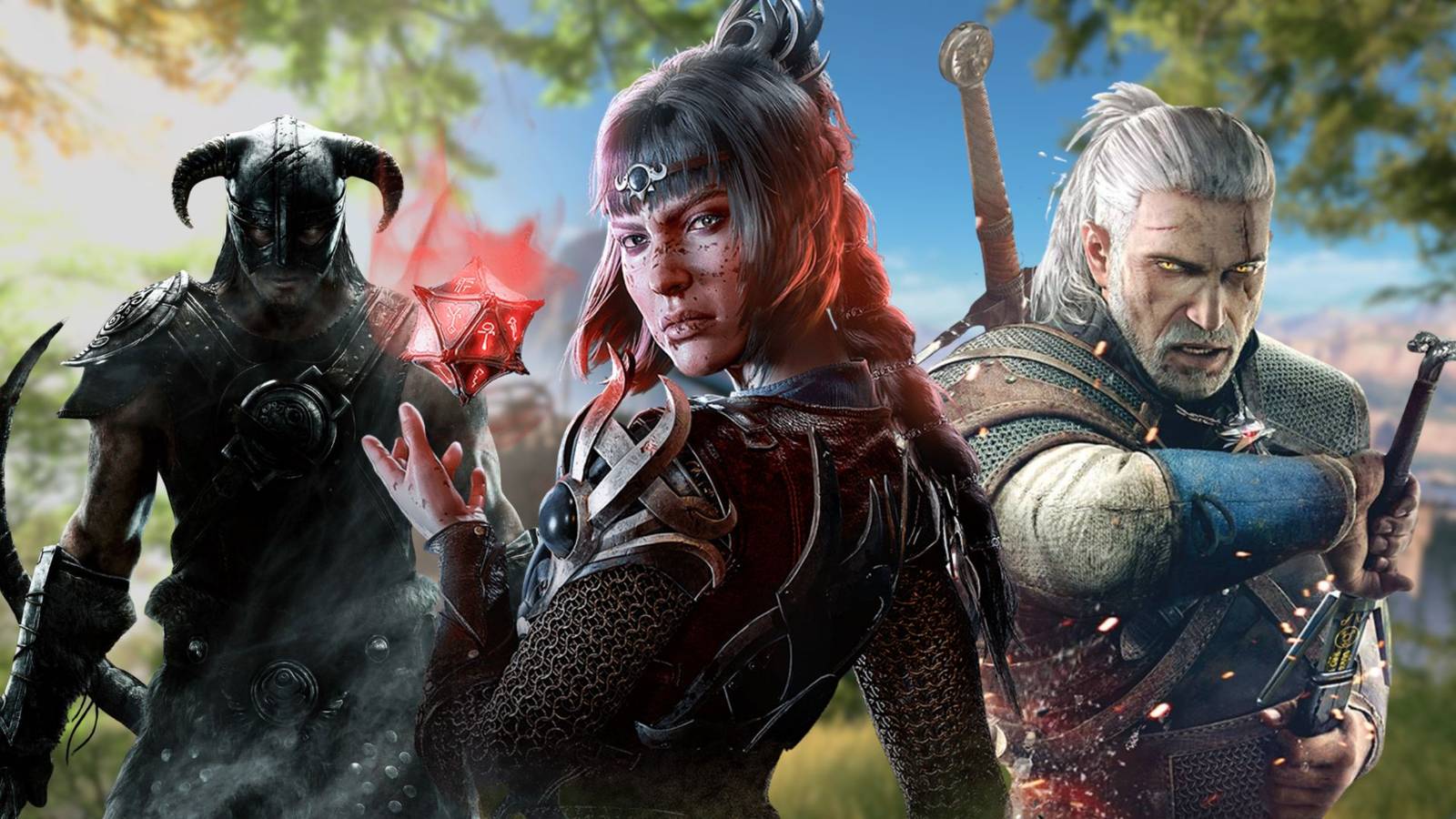
- Primary Investment: $1 billion USD
- Focus: Single-player Dungeons and Dragons titles
- Key Reference: Baldur's Gate 3 (2023)
- Historical Context: Dungeons & Dragons: Daggerdale (2011)
Hasbro has officially confirmed a $1 billion USD investment strategy for the future of Dungeons and Dragons video games, signaling a major shift toward high-budget, single-player experiences. This move follows the widespread commercial and critical success of Baldur's Gate 3, which was developed and published by Larian Studios. By focusing on the mechanics that made BG3 a benchmark for the genre, Larian Studios has provided a blueprint that studios Hasbro should learn from if they want their future projects to resonate with a modern player base. As we look toward the future of Dungeons and Dragons video games 2026, the industry is closely monitoring how this capital will be deployed across the tabletop franchise.
Understanding the Hasbro Dungeons and Dragons Investment Strategy 2026
The announcement, made during a recent podcast with The Game Business, confirms that Hasbro is committing significant financial resources to the digital adaptation of its flagship tabletop property. This decision marks a pivot from previous attempts to capture the digital market. For context, older titles such as Dungeons & Dragons: Daggerdale, released on May 24, 2011, for PC, Xbox 360, and PlayStation 3, struggled to achieve the same level of engagement, holding a 47 on Metacritic. The contrast between the reception of older licensed titles and the current demand for high-quality role-playing games underscores why this $1 billion allocation is a critical inflection point for the company.
The Hasbro D&D video game expansion plans explained in recent reports suggest that the company is looking to replicate the cultural impact seen in other media, such as Critical Role and Stranger Things. By investing in single-player experiences, Hasbro aims to translate the tabletop campaign feel into a format that is accessible to players who may not have a regular gaming group but still desire the depth of a D&D narrative.
What RPG Studios Should Hasbro Learn From for D&D
When analyzing what RPG studios should Hasbro learn from for D&D, industry experts point toward the methodologies employed by developers who prioritize player agency. The success of Baldur's Gate 3 highlighted that players value the ability to influence the world through meaningful choices. Mihail Kostov, a gameplay scripter at Larian Studios, noted in an interview with PC Gamer that the team actively embraces player creativity, even when that involves discovering exploits. This philosophy of allowing the player to break or bend the rules to suit their playstyle is a core component of the tabletop experience that Hasbro must preserve.
To ensure success, Hasbro must consider how to integrate these elements into future development cycles. Based on our coverage at In Game News, the following factors are essential for any studio entering this space:
- Player Choice: Providing branching narratives that acknowledge individual player decisions.
- Mechanical Fidelity: Translating tabletop dice rolls and combat rules into an intuitive digital interface.
- Exploitation Tolerance: Designing systems that allow for creative problem-solving rather than forcing a linear path.
- Community Engagement: Maintaining transparency with the player base regarding development milestones.
Navigating the Future of Dungeons and Dragons Video Games 2026
There has been significant speculation regarding the relationship between Hasbro and Larian Studios following the conclusion of development on Baldur's Gate 3. While Larian director Swen Vincke clarified that the studio would not be pursuing follow-up downloadable content for the title, rumors persisted regarding the nature of the split. Despite public statements from both parties, the gaming community remains focused on how the absence of the original BG3 team might impact the development of a potential Baldur's Gate 4 or other future entries in the franchise.
For more insights into the industry, you can view our industry analysis. The skepticism surrounding this $1 billion investment is largely rooted in the fear that corporate influence could stifle the creative freedom that allowed Baldur's Gate 3 to flourish. Hasbro’s challenge will be to manage this massive budget while granting developers the autonomy required to create authentic, engaging role-playing experiences.
As Hasbro moves forward, the primary goal of how can Hasbro improve Dungeons and Dragons game development will rely on its ability to identify and partner with studios that understand the nuances of the D&D ruleset. The transition from a tabletop format to a video game requires a delicate balance of automation and player control. If the company can successfully bridge this gap, the $1 billion investment could solidify the franchise's place in the digital gaming market for years to come.
Frequently Asked Questions
What is the total amount Hasbro is investing in single-player Dungeons and Dragons games?
Hasbro has confirmed a $1 billion USD investment specifically dedicated to the development of single-player Dungeons and Dragons video games.
Why is player creativity considered a priority for future Dungeons and Dragons titles?
Player creativity is essential because it mirrors the tabletop experience, where Larian Studios found that allowing players to use exploits and make unique choices was key to the success of Baldur's Gate 3.
How does the current D&D video game strategy differ from past attempts like Dungeons & Dragons: Daggerdale?
Unlike the 2011 release of Daggerdale, which saw limited critical success, the current strategy focuses on high-budget, single-player experiences that emulate the depth and freedom of the tabletop campaign.