Article by Mohammad Rauf • Senior Writer, In Game News …

How Mobile Gaming Is Blurring The Line Between Consoles And Apps In 2026
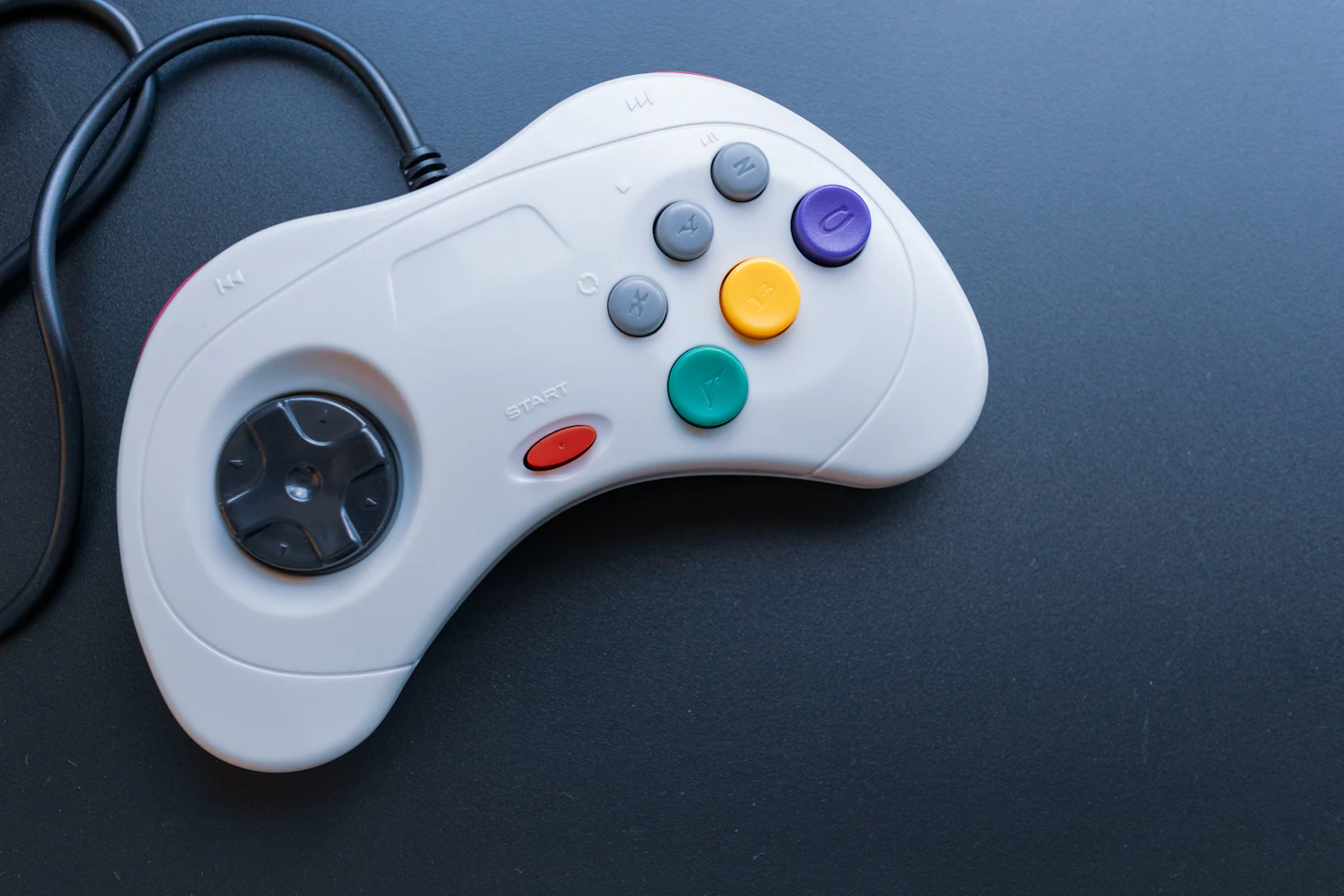
⚡ Quick Facts
- Primary Focus: Mobile and Console Integration
- Key Trend: Ecosystem convergence
- Platform Context: Mobile, Xbox, and Nintendo Switch 2
- Core Shift: Smartphones as primary entertainment hubs
The rise of the Nintendo Switch 2 and the evolution of mobile hardware have fundamentally altered how players interact with digital entertainment, confirming that how mobile gaming is evolving is blurring the line between traditional home consoles and everyday mobile applications. In 2026, the distinction between a dedicated gaming machine and a smartphone has reached a point of near-total convergence. While players once viewed their phones as secondary devices for casual play, current technological standards allow these devices to function as primary portals for high-end gaming, streaming, and social interaction.
The Evolution of the Portable Gaming Hub
Ten years ago, the divide between mobile and console gaming was defined by hardware limitations. Consoles required large screens, stationary controllers, and long, uninterrupted sessions. Mobile games were often categorized as simple, bite-sized experiences. Today, that gap has effectively closed. Modern smartphones possess the processing power to run sophisticated titles with high-fidelity graphics, while cloud-based services ensure that performance remains consistent regardless of the hardware's native limitations.
At In Game News, our coverage of the industry indicates that the shift is driven by the integration of services like Xbox Cloud Gaming directly into the mobile experience. Players can now launch a session on a console, pause, and immediately resume on a mobile device without losing progress. This fluidity is supported by a broader trend where mobile phones act as centralized hubs. A single device now manages Discord communication, Twitch streaming, and active gameplay, allowing for a level of multitasking that was previously impossible on dedicated consoles.
Mobile Apps Now Compete With Consoles For Attention
The living room was once the exclusive domain of the console, but the 2026 landscape shows a different reality. The split between "home gaming" and "on-the-go gaming" has been replaced by a unified ecosystem. Users move between devices with zero friction, often utilizing their phone to watch highlights or manage social rewards during breaks in a console session. This behavior is supported by developers who prioritize mobile-first design patterns, ensuring that the transition between platforms feels natural.
Developers are no longer creating isolated gaming experiences. Instead, they are building platforms that mix gameplay with social tools, live events, and progression systems. By keeping users inside a single app environment, developers ensure higher engagement rates. This design philosophy is evident in platforms like the BC Game APK, which utilizes rapid interaction loops and reward systems that mirror the engagement tactics of major console titles. By adopting these patterns, mobile apps are successfully competing for the same time and attention once reserved for high-end console hardware.
The Role of Ecosystem Integration
The integration of social and entertainment features is a primary driver of this shift. Modern gaming apps are no longer just about the gameplay loop; they are about the social context surrounding the game. Features commonly found in these apps include:
- Integrated Live Chat: Instant communication tools that keep players connected to their gaming groups regardless of their physical location.
- Streaming Integration: Built-in functionality for watching live content or broadcasting gameplay directly from the device.
- Unified Reward Systems: Cross-platform progression that allows players to earn and spend rewards across both mobile and console versions of a game.
- Social Hubs: Spaces where players can view leaderboards, join matches, and interact with friends without exiting the application.
Future of Mobile Gaming and Console Integration 2026
As we look toward the future, the influence of mobile-first design on hardware like the Nintendo Switch 2 remains a significant topic of interest. The expectations set by mobile gaming—specifically regarding the ease of use and the availability of social features—are now being demanded by console users. The Nintendo Direct broadcasts continue to highlight the importance of portability, a concept that mobile gaming pioneered and has now perfected.
This convergence suggests that the hardware itself is becoming less important than the ecosystem. Whether a player is using a specialized controller, a set of Joy-Con, or a touch screen, the underlying software experience is designed to be identical. For more details on this transition, check out our mobile gaming coverage and our console hardware analysis.
The smartphone is no longer a secondary screen. For a growing percentage of the gaming population, it is the primary entertainment device. As how is mobile gaming replacing home consoles in 2026 becomes a more common question, the answer lies in the removal of barriers. By providing a seamless experience that combines gaming, social media, and streaming, mobile platforms have captured the attention of a generation that values flexibility above all else.
Frequently Asked Questions
How is mobile gaming replacing home consoles in 2026?
Mobile devices now feature advanced performance and cloud streaming capabilities, allowing users to access high-fidelity games that were previously restricted to dedicated home consoles.
Is mobile gaming blurring the line between consoles and apps?
Yes, modern gaming apps now integrate social features, streaming, and reward systems, making the experience on a smartphone feel functionally similar to a traditional console ecosystem.
What features make mobile phones portable gaming hubs?
Phones serve as portable hubs by combining high-speed cloud gaming, integrated social platforms like Discord, and unified entertainment apps that allow for seamless transitions between play and media consumption.
📖 Read More