
Spore: The Truth Behind the 'Greatest Game That Never Was'
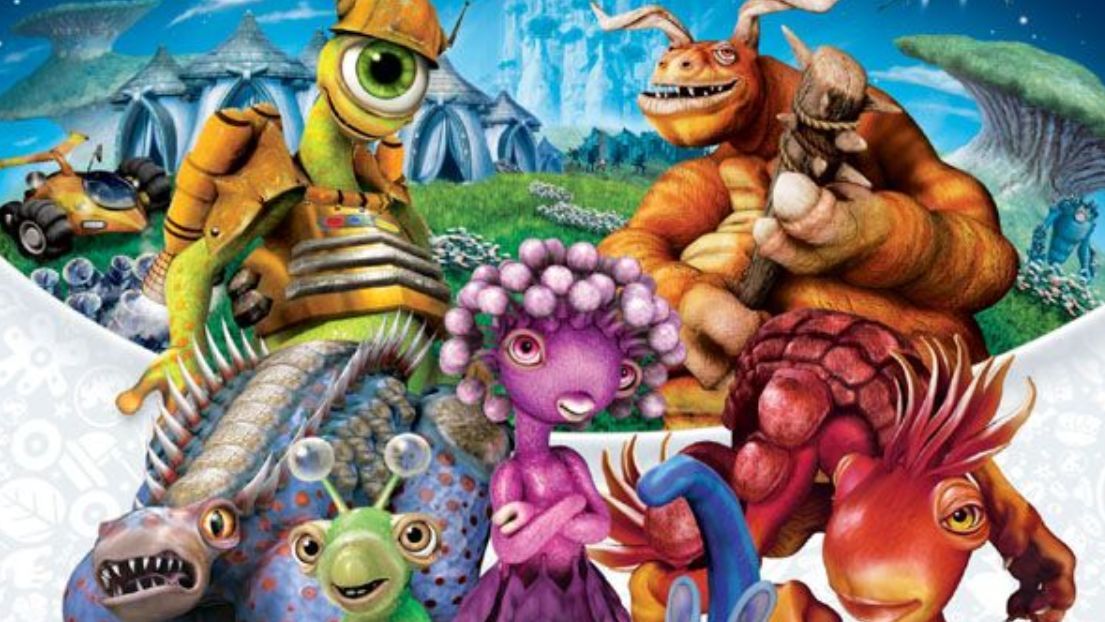
Spore is the greatest game that never was. It is a sentiment that has echoed across forums for nearly two decades, capturing the frustration of players who expected a singular, all-encompassing simulation of life. The reality, however, is far less mythical. According to a new oral history from Design Room, the game fans actually received—a sci-fi minigame collection with a standout character creator—is exactly what the team at Maxis intended to build all along.
- Game: Spore
- Developer: Maxis
- Release Date: September 4, 2008
- Platforms: PC
- Metacritic Score: 84
The Myth of the 'Super-Game'
The gap between the game's promise and its final form didn't appear out of thin air. Much of the blame—or credit—lies with Will Wright’s 2005 GDC talk, "The Future of Content." In it, Wright showcased a version of the game with a distinct art style and features that were ultimately cut, such as a dedicated aquatic stage. By using terms like "procedural verbs," he invited the audience to fill in the blanks with a level of depth that simply wasn't there.
"Will said from the jump that this was going to be a lot of little minigames. Just nobody listened," gameplay designer Jenna Chalmers told Design Room. "Everybody knew him for these really rich, robust simulations, and wanted all the depth and the richness... people heard what they wanted to hear."
Even the team recognized the disparity at the time. Art director Ocean Quigley recounted how one journalist described the GDC presentation as either "the most amazing game design of all time, or an act of bold chicanery." Quigley’s assessment today? "It was B. It was an act of bold chicanery."
Creative Freedom and the Lack of Crisis
In many industry stories of this nature, the culprit for a game's shift is publisher interference. Yet, the developers behind Spore paint a different picture of their relationship with EA. Despite being at odds with executive Don Mattrick on specific design choices, the team had a long leash and an exceptionally long nine-year development cycle.
"We never felt pressure," said developer Chris Hecker. "EA's got lots of problems, but this was not one of them."
However, that freedom came with its own set of challenges. Quigley noted that because Wright had so much credibility, he was essentially given a license to explore half-baked ideas without the grounding force of a firm deadline. "There wasn't any sense of crisis," Quigley explained. "And sometimes a sense of crisis can be useful for driving decisions and getting to clarity."
A Lasting Ambition
Even if the game is often described as "a slog" in its final stages, its influence remains undeniable. Spore’s procedural animation and sheer variety continue to hold a unique place in PC Gaming, inspiring modern titles like the roguelike Everything Is Crab. While it may not have delivered the "mythical super-game" that fans spent years building in their own minds, it remains one of the most ambitious projects to ever grace the platform.