
Valve: Supply Chain Issues, Not Pricing, Caused Steam Machine Delays
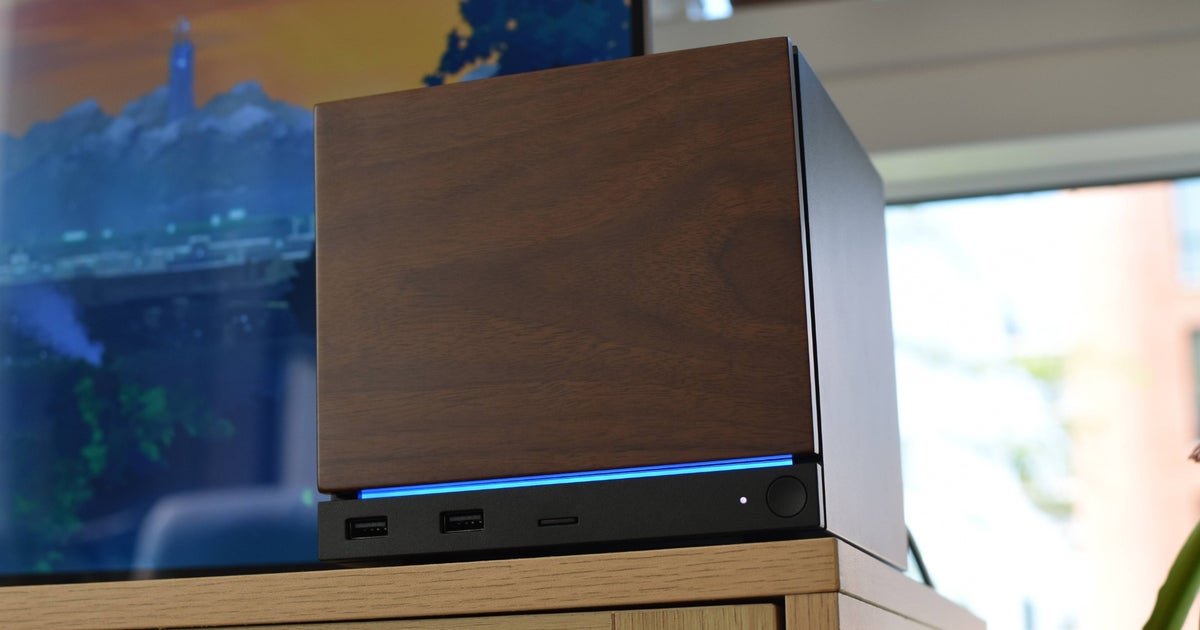
The road to the Steam Machine launch has been long, painful, and far from the smooth rollout fans might have expected. While the hardware has finally arrived in 2026, the path from its secret development phase starting in 2023 to yesterday’s store opening was defined by persistent supply chain hurdles that Valve says were outside their control.
For months, speculation has swirled regarding the pricing and availability of the unit. Some observers wondered if Valve was sitting on finished inventory, waiting for the volatile market of components to stabilize before pushing these machines to market. However, in a video call last week, Steam Machine designer Lawrence Yang and engineer Yazan Aldehayyat were clear: the delays were never a strategic attempt to wait out price gouging.
Building the Machine That Builds the Machine
According to the team, the gap between the initial public showing in late 2025 and this week’s launch wasn't just about waiting for parts—it was about constructing the infrastructure itself. Aldehayyat explained that for a high-volume product, the challenge often lies in the manufacturing process.
"You have to build the machine, but then you also have to build the machine that builds the machine," Aldehayyat noted. Much of the time between November and the current launch was spent configuring production lines, calibrating testers, and ensuring high efficiency and yield. Alongside this, the team was finalizing firmware and SteamOS updates to ensure the hardware provided a polished experience right out of the box.
The Reality of Component Shortages
Despite the successful setup of their manufacturing facilities, Valve faced a separate, insurmountable challenge: the components themselves. The company’s official blog post confirms there were periods where key parts could not be sourced at any price. This scarcity directly impacted the number of units Valve could produce for the launch.
"For the most part, this is when we were able to complete all the things we needed to complete to ship it," Yang said. "It didn't look like things were going to change anytime soon, in a way that would change things materially."
Because the supply chain operates on cycles of months and years rather than days or weeks, Valve opted to move forward rather than hold out for a price correction that was unlikely to manifest. This explains why the Steam Machine hasn't had a traditional "on sale" moment. Instead, prospective owners must sign up for reservations, entering a randomized queue that determines when their unit is ready to ship. It remains a difficult launch for a device that has been in the works for years, but one that Valve insists was pushed out as soon as the physical constraints of the industry allowed.
Steam Machine Release Date 2026: Price Analysis and Hardware SpecsPC Gaming
Leak Suggests There Will Be Four Different Ways To Buy A Steam Machin...Games For Everyone
Games For Everyone Announces Episode 2: Steam Frame Timing and GDC 20...Deck Verified
Valve Announces Steam Beta Update: New Linux Gamesbox Strategy Revealed