
Why Core Design Killed Off Lara Croft in Tomb Raider: The Last Revelation
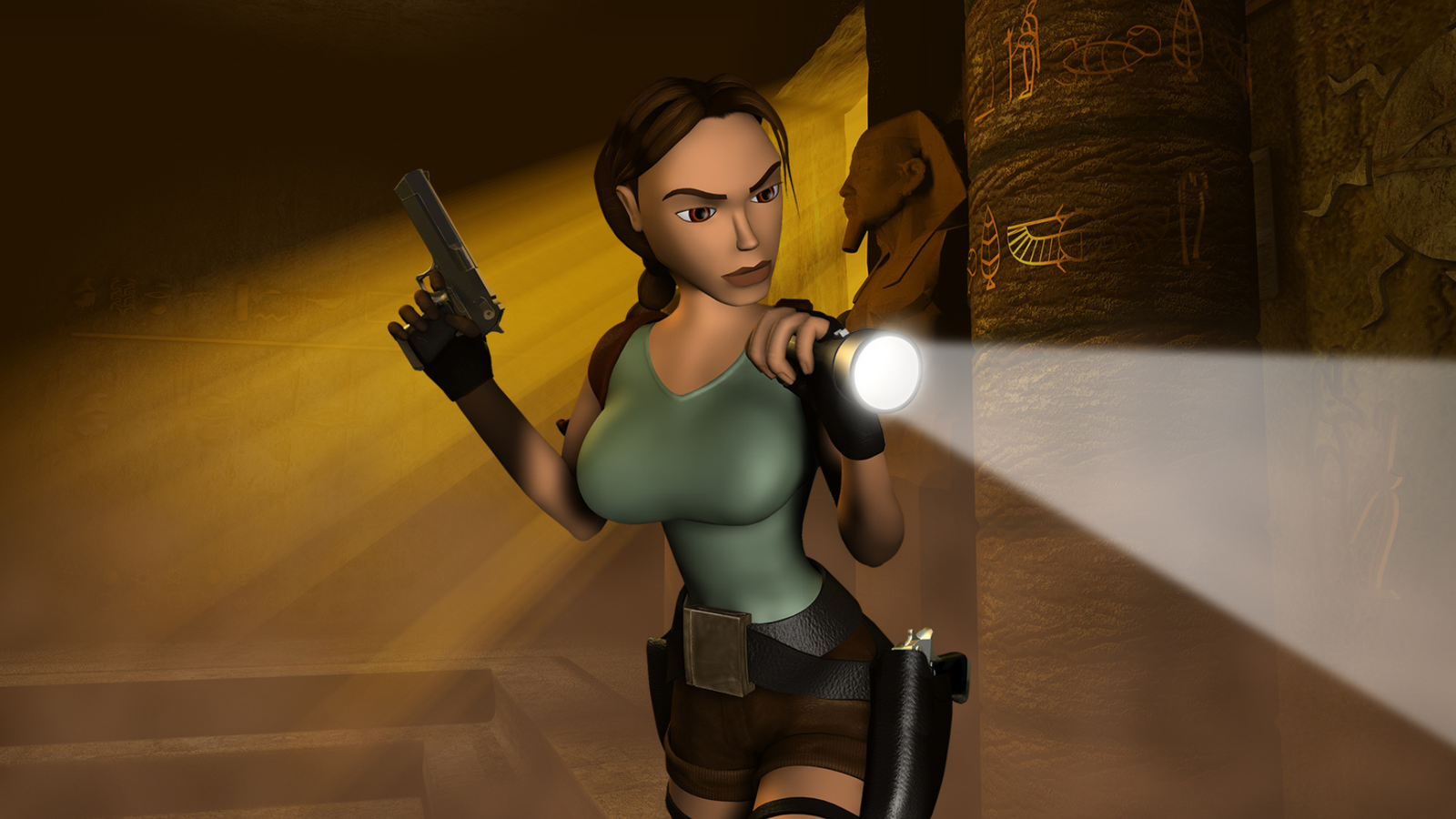
It is one of the most famous cliffhangers in gaming history: the ending of 1999’s Tomb Raider: The Last Revelation, which left Lara Croft buried under a collapsing temple. For decades, players have debated the intent behind that scene. Now, as detailed in the upcoming book The Making of Tomb Raider: 1997-2000, the original team at Core Design has confirmed the motive was far more personal than a simple narrative choice.
The developers were, quite simply, exhausted.
A Desire to End the Franchise
Between 1996 and 2003, Core Design was tasked with producing a new Tomb Raider game every single year. By the time the team reached the fourth installment, the pressure had taken its toll. “We were sick of Lara and wanted to kill her,” says designer and writer Andy Sandham. Sandham admits he wrote the initial story outline with the death scene included, banking on the idea that producers Adrian Smith and Jeremy Heath-Smith would be too busy to read the end of the document.
Programmer Tom Scutt echoes this sentiment, noting that the decision was driven by the collective desperation of the team. “I suspect there was an element of all of us thinking, ‘Oh, my God, if we kill her off, we don’t have to make another one,’” Scutt says. “We were all like, ‘Right, I cannot imagine doing this again.’ So I think we were all quite keen to take her out, essentially.”
The Reality of Development
Despite the team's hopes that the death of their protagonist would grant them a reprieve, the reality of the industry at the time meant the work continued unabated. There was no break following The Last Revelation; the studio was immediately transitioned onto Tomb Raider: Chronicles and eventually the follow-up, Tomb Raider: The Angel of Darkness.
Designer Richard Morton offers a slightly different perspective on the narrative execution, suggesting the death was a practical solution to a creative block. “We didn’t know how to end the game,” Morton explains. He clarifies that the death was always planned as a temporary measure, with the team anticipating her return for a future PlayStation 2 title. This explains why players never actually witnessed a definitive on-screen death for the character, leaving the door open for her inevitable return.
For those looking to revisit the era, the Tomb Raider 4-6 Remaster trilogy continues to keep these classic titles accessible to modern audiences, preserving the legacy of a team that defined an entire generation of action-adventure gaming.
IGN Fan Fest 2026 Reveals Frostrail's Underground Tomb Raider TemplesAmazon Games
Amazon Ends Maverick Games Deal: Studio Future & Project DetailsCall of Duty
Video Game Franchises Announces Crossover into iGaming: Iconic Adapta...Keeley Hawes
Amazon's Tomb Raider Series Just Pulled the Ultimate Nostalgia Bomb.