
Why Final Fantasy 10’s Ending Still Hits Hard 25 Years Later
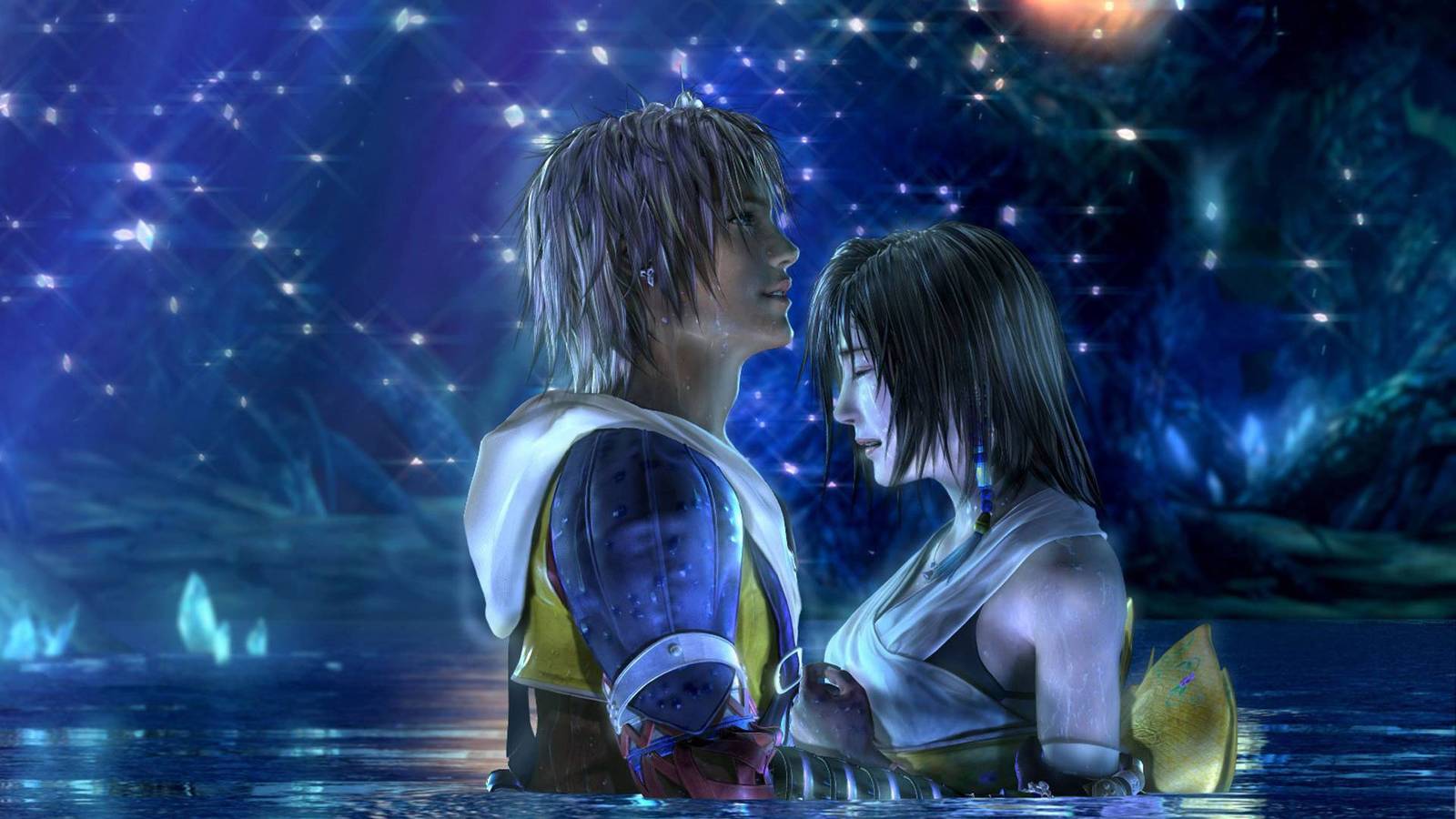
It has been 25 years since the original launch of Final Fantasy 10, and for many players, the journey of Tidus and Yuna across Spira remains a high-water mark for narrative-driven RPGs. While the title originally launched on the PlayStation 2 in 2001, its themes of grief, hope, and the human cost of systemic corruption continue to resonate in 2026.
- Original Release: July 19, 2001
- Platform: PlayStation 2
- Metacritic Score: 92
- Core Themes: Grief, breaking cycles, and personal agency
The Inevitable Tragedy of Spira
The narrative backbone of Final Fantasy 10 is an inescapable cycle of death. When Yuna begins her pilgrimage to summon Aeons and defeat Sin, she isn’t just embarking on a quest; she is accepting that she and her chosen guardian must be sacrificed to provide Spira with a temporary period of peace, known as the Calm. This context transforms every quiet moment of the game, such as Yuna’s departure from Besaid Village, into a scene of profound sorrow. She isn't simply leaving home; she is looking upon her life for the last time.
Tidus, serving as the outsider, provides the necessary perspective to challenge these outdated, oppressive customs. His relationship with Yuna is built on the realization that the world does not have to remain trapped in a cycle of religious servitude and inevitable death. By choosing to dismantle the status quo rather than perpetuate the system of sacrifice, Tidus and Yuna define their own destinies—even if that freedom carries a heavy, personal price.
The Cost of Peace
As the party approaches the final battle against Jecht and Yu Yevon, the game forces the player to reconcile with the fact that peace requires sacrifice. Tidus accepts his fate as a 'fleeting dream,' destined to vanish into the Farplane once Sin is destroyed. This departure is what ultimately breaks the cycle of grief that has long defined Spira’s existence.
In the final moments, Yuna’s message to the people of Spira shifts the focus from the past to the future. Rather than living in fear of the next disaster, the world is finally given the opportunity to build something lasting. It is a conclusion that refuses to offer a traditional 'happy' ending, yet it feels entirely earned.
Reflections on the Sequel
The conversation around Final Fantasy 10 often leads to the sequel, Final Fantasy X-2. While some players feel that the secret, optional ending of the sequel—which brings Tidus back—diminishes the emotional weight of the original, others view it as a well-deserved reward for Yuna. After a lifetime of living for a false cause, the sequel allows Yuna the space to define her own identity in a post-Sin world. It explores the difficulty of moving forward when society is desperate to cling to the old ways, turning the game into a study of grief and the search for joy in a world that is no longer defined by the need to sacrifice everything.