
Why Persona 4 Arena and Other Fighting Games Are More Than Just Combat
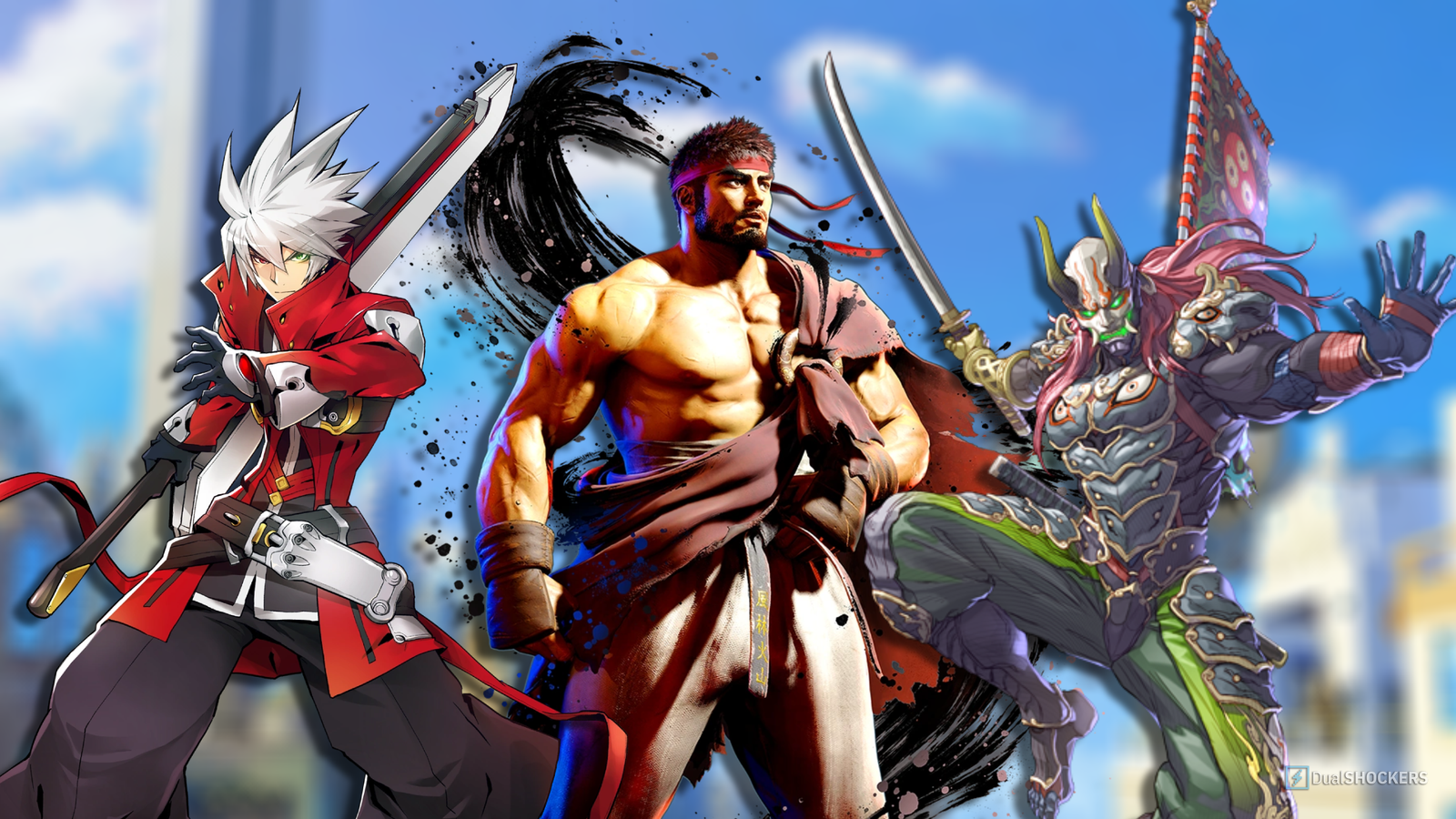
We often treat fighting games as simple tests of mechanical skill. You jump in, learn your combos, and focus on the technical thrill of the win. But if you look past the arcade ladders, some titles offer surprisingly deep settings that make the world feel bigger the more you learn about it. Whether it is through in-game glossaries or extensive story modes, a few standout games prove that lore is more than just set dressing.
- Persona 4 Arena Metacritic: 84
- Persona 4 Arena Platforms: Xbox 360, PlayStation 3
- Street Fighter 6 Metascore: 92
- Street Fighter 6 Release: June 2, 2023
The Expanded Scope of Persona 4 Arena
It is easy to dismiss Persona 4 Arena as a mere spin-off, but that undersells its contribution to the series. Rather than just rehashing the plot of Persona 4, it acts as a continuation of Persona 3. It introduces players to the Shadow Operatives—a multinational organization of supernatural combatants—and explores the endless conflict against entities within the Sea of Souls. Through the Ultimax expansion, the game fleshes out the origins of the Anti-Shadow Weapon program and explains the circumstances surrounding entities like Hi-No-Kagutsuchi, turning the mechanics of its world into a cohesive narrative.
Worldbuilding Through Conflict
Other titles take different approaches to world-building. Street Fighter 6, for example, makes the world feel alive by showing us how characters live when they are not fighting for the fate of the world. By exploring Metro City, players witness a society where citizens are trained in martial arts, moving the focus away from a singular evil organization to a global community. Similarly, Under Night In-Birth uses its “Hollow Night” phenomenon to explain a dense, original world where reality warps and grants powers to survivors, managed by various powerful organizations.
Lore-Heavy Franchises
Some developers lean into complexity by saturating their games with proper nouns that eventually form a coherent history. BlazBlue: Calamity Trigger is notorious for this, using an in-game series called “Teach Me, Miss Litchi” to help players navigate its dense terminology. Guilty Gear Xrd adopted a similar approach, utilizing a cinematic story mode and an in-game glossary to explain the history of the Crusades and the current state of a magic-fueled world.
Whether it is the corporate warfare of Tekken 7 or the rebooted timeline of SoulCalibur VI, these games demonstrate that the best fighting games are often those that give you a reason to care about the arena beyond just the fight itself.