
Why The Witcher 3: Wild Hunt Remains a Masterclass in Worldbuilding
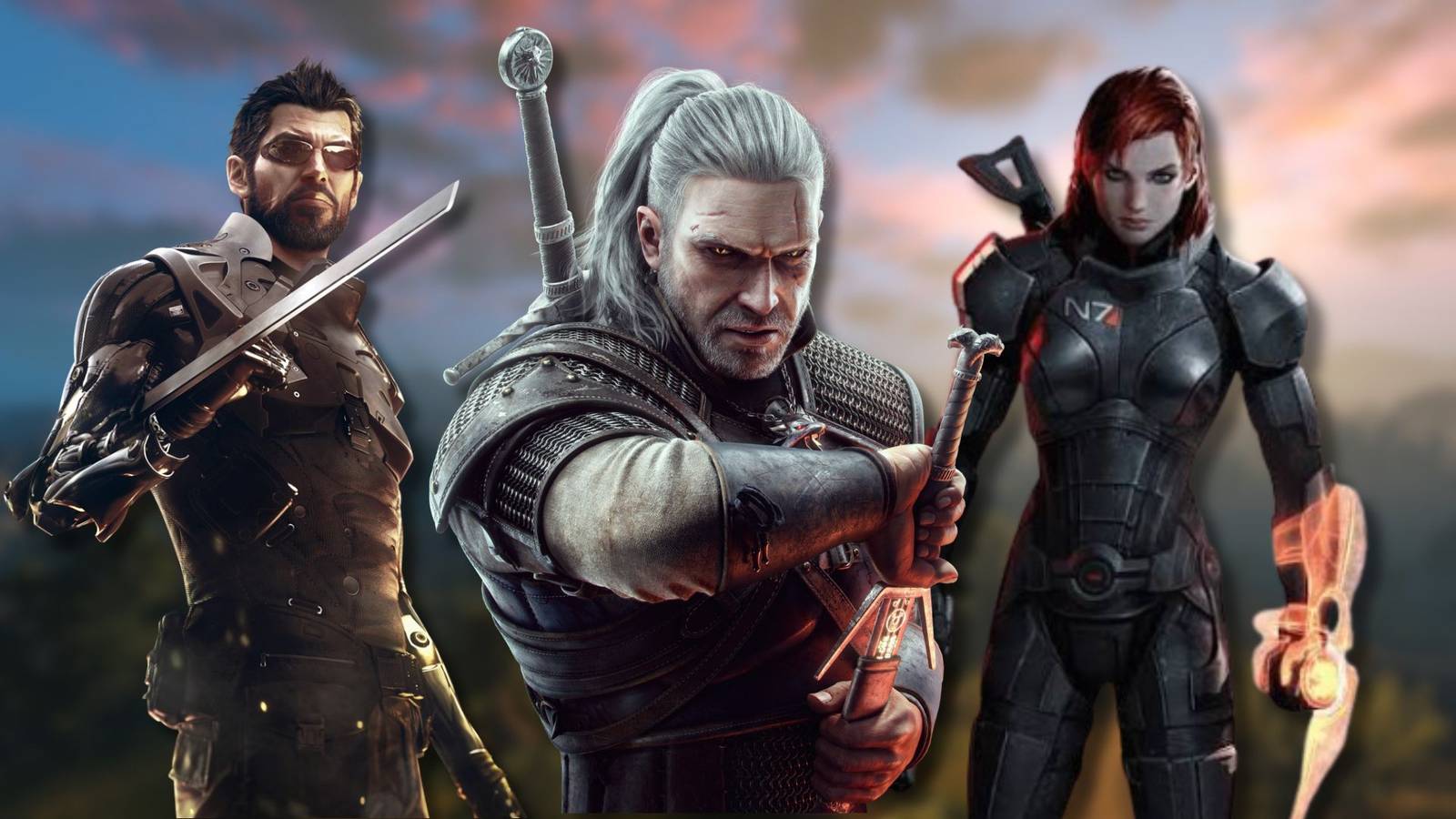
For as long as the genre has existed, players have been drawn to Roleplaying Games for their rich, detailed worlds. Some of the best RPGs strike a balance where companions and NPCs act as vessels for learning about continents and social classes, eventually helping the world feel genuinely lived in. In 2026, many fans are still looking back at The Witcher 3: Wild Hunt as a prime example of how to make a world feel bigger the more you learn about it.
- Game: The Witcher 3: Wild Hunt
- Metacritic Score: 92
- Release Date: May 18, 2015
- Platforms: PC, PlayStation 5, Xbox One, PlayStation 4, Xbox Series S/X, Nintendo Switch, macOS
The Continent: Folklore and Social Decay
There is a reason The Witcher 3 remains one of the most revered RPGs of all time. Its worldbuilding sinks its hooks into players through its subversive ties to European folklore and the politics of The Continent. The story centers on Geralt of Rivia searching for his surrogate daughter, Ciri, who is being pursued by The Wild Hunt for her universe-bending abilities. This central quest drives Geralt through a variety of lands, ranging from towns suffering under tragic curses to cities deeply scarred by war and social prejudice.
What makes the experience particularly effective is how the game handles its side quests. Endless requests pull players across the map, forcing them to engage with the personal and complex issues of the local population. These interactions ensure that the world does not just sit static; it feels like a place that continues to progress even outside of the player's immediate journey.
Mythology as an Ecosystem
Where the game truly shines is its approach to monsters and mythology. Instead of simply placing disposable mobs to break up travel time, the developers treated monsters as considered parts of an entire ecosystem. Even a simple Drowner is placed in a specific location for a distinct reason, adding layers of mystery and lore to the environment. This attention to detail encourages players to investigate their surroundings, setting the stage for rewarding payoffs when they eventually explore areas that were only hinted at during earlier conversations.
Whether you are diving into the complex politics of the region or hunting beasts deeply rooted in folklore, The Witcher 3 consistently rewards curiosity. It stands alongside other classics like Dragon Age: Origins and Mass Effect as a title where the depth of the world is only limited by how much the player is willing to engage with the history and people of the land.
Why The Witcher 3: Wild Hunt Remains a Benchmark for RPG DesignAction
The Witcher 4 and Songs of the Past: Doug Cockle Discusses Geralt in ...Action
The Witcher 3 Songs of the Past Expansion Details and CD Projekt Red ...Action
The Witcher 3 Hits 65 Million Sales in 2026: A New Milestone for CD P...