
Why PC Gaming is Overtaking Consoles in 2026
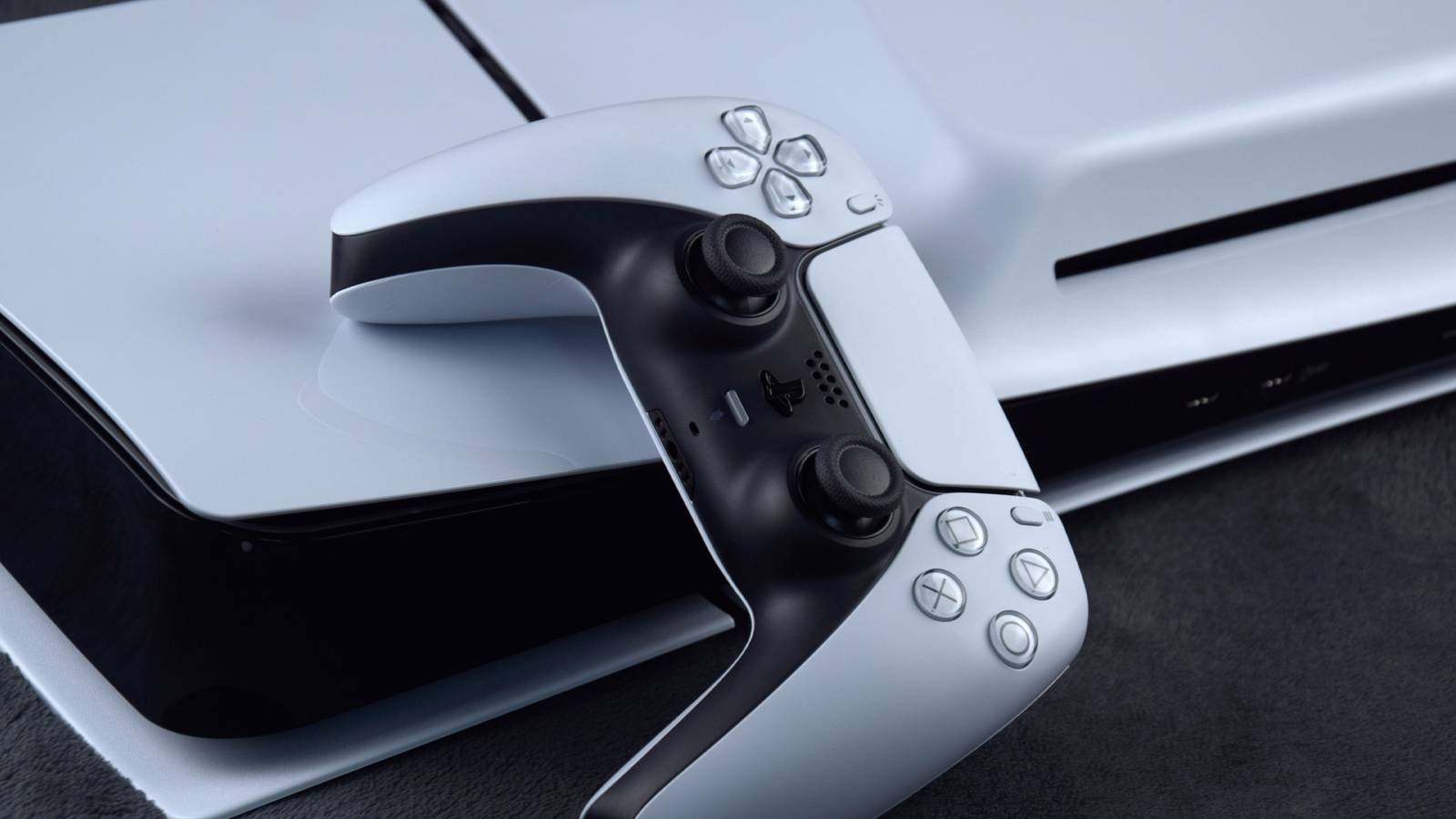
The era of the $400 plug-and-play console is fading. As we move through 2026, the traditional benefits of console gaming—affordability, ease of use, and physical ownership—are being eroded by rising hardware costs and shifting publisher strategies. With next-gen consoles now trending toward a $1,000 price point, many players are finding that the PC platform offers a more sustainable and flexible alternative.
The End of the Physical Era
Sony’s announcement that it will cease all physical disc production starting in January 2028 signals a major transition for the industry. This move effectively ends the second-hand marketplace and removes the ability for players to own their games in a tangible format. Compounding this loss of ownership is the company’s history of shutting down legacy digital storefronts, such as the PS3 and Vita stores, which renders digital-only libraries inaccessible to new users.
In contrast, the PC ecosystem remains inherently iterative. Because digital storefronts like Steam and GOG maintain access to backlogs spanning decades, the threat of losing an entire generation of games is significantly lower. GOG, in particular, has leaned into this with its DRM-free initiatives, prioritizing the preservation of gaming history rather than forcing users to upgrade hardware to access their libraries.
Market Shifts and Hardware Costs
The financial pressure on console manufacturers is clear. Global memory shortages, spurred by the intense demands of AI data centers, have pushed production costs for consoles toward the $1,000 mark. These costs are being passed directly to the consumer, yet the consoles themselves are failing to offer the level of customization or freedom found on PC.
Data from research firm Newzoo highlights this changing tide. As of June 2026, PC gaming revenue grew by 12 percent year-over-year, reaching $43.6 billion, while console revenue saw a much slower rise of just 2.8 percent to $44.7 billion. In the UK, sales figures provide further evidence of waning interest; PS5 sales fell by 50 percent earlier this year, and the console only managed to outsell the Xbox Series X/S by a mere 400 units.
Why PC Is Becoming the Future
While triple-A console gaming is currently struggling under the weight of $300 million budgets and a reliance on safe, recycled sequels or live-service experiments, the PC scene continues to thrive through its indie community. Games like Meccha Chameleon have dominated charts, proving that experimental, lower-budget titles often resonate more with players than expensive, marginal hardware upgrades.
For those worried about the complexity of desktop gaming, the landscape has changed. With the rise of Linux-based operating systems like SteamOS, the transition from console to PC is more intuitive than ever. Furthermore, the ability to build a PC to a specific budget—or upgrade individual components over time—offers a level of financial control that fixed-hardware consoles no longer provide. As console giants like Xbox embrace PC integration through Project Helix and PlayStation continues to experiment with anti-consumer practices, the PC platform remains the most stable, future-proof home for gaming.
LDLC’s 'Stim Machine' Attempted to Undercut Steam, But It’s Still PriceyAnalysis
Sony's E3 2013 Disc Defense Hits Different Following 2028 Digital ShiftPC Gaming
Total War: Warhammer Getting Massive Chaos Endgame OverhaulAction
Sonic Frontiers: Definitive Edition Review - A Rough Run on Switch 2