
AdHoc CEO Michael Choung: Episodic Releases Are 'Insane'
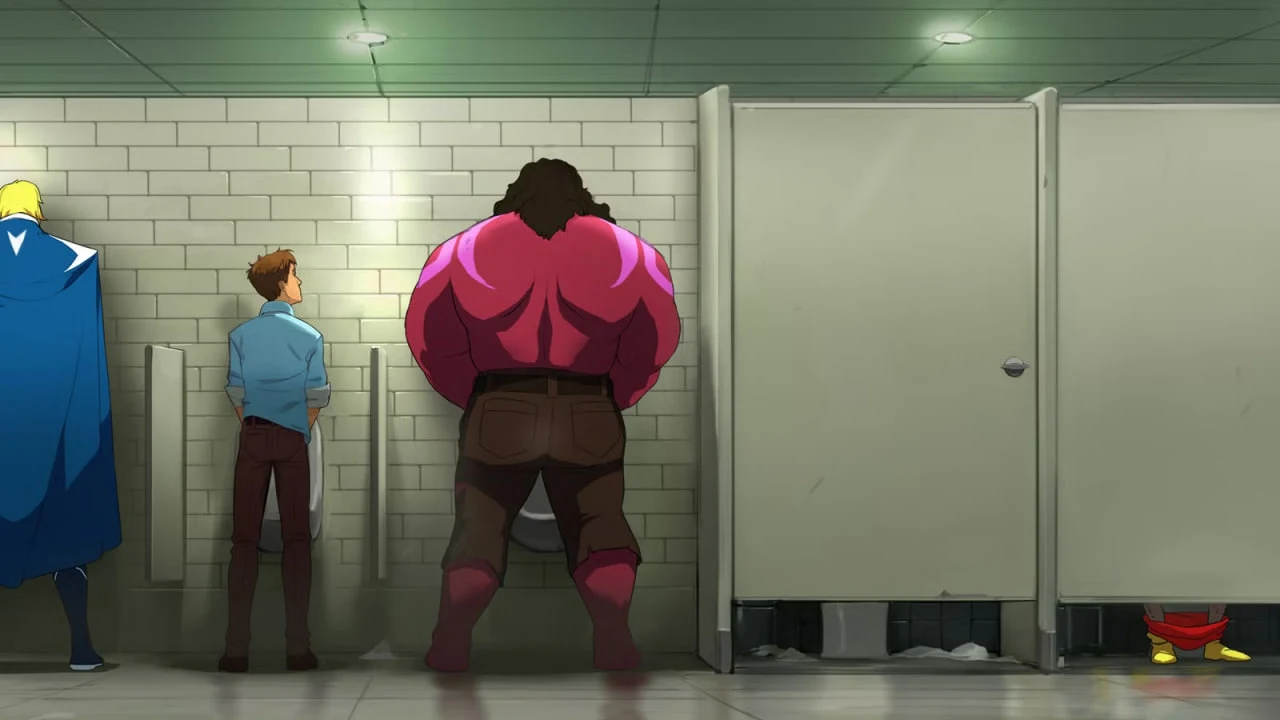
In a surprising turn that’s shaking up game development discussions, AdHoc’s debut title, Dispatch, has become a runaway success with its unconventional weekly episodic release. Despite this phenomenal triumph—achieving 1 million sales in just 10 days and on track to hit its three-year sales goal in a mere three months—CEO Michael Choung issues a stark warning to the industry: most studios should avoid episodic releases, labeling the strategy an "insane thing to do." This bold declaration from a studio that successfully defied industry norms casts a critical light on future development trends.
Dispatch's Unprecedented Commercial Victory
AdHoc's superhero workplace comedy, Dispatch, has rewritten the rulebook for game launches. Eschewing the traditional all-at-once release, the game adopted a weekly episodic model, a move that flew directly in the face of "conventional wisdom." This audacious strategy propelled Dispatch to remarkable heights, securing over 1 million unit sales within its first 10 days on the market. Furthermore, the game is now projected to reach its entire three-year sales target in a blistering three months. The impact was clear on player engagement, with concurrent users doubling with each new weekly episode. This unprecedented success also saw Dispatch prominently featured on PlayStation's Top Games for November 2025, underscoring its significant market presence.
Why the Weekly Release Model Is "Insane" for Most
Despite leading a commercially successful charge, Michael Choung, CEO of AdHoc, remains firm in his caution to other developers. In an interview with the technology newsletter Knowledge, Choung unequivocally stated, "From every metric, from a production perspective, no one should do this." He detailed the immense challenges faced during Dispatch's development and release, describing the process as "difficult at every turn" and an "insane thing to do." Choung disclosed that his team received repeated warnings against their chosen weekly schedule. While acknowledging the strategy's effectiveness in creating a unique sense of urgency—making players feel "the train is leaving the station, but not just yet--I can still make it"—he stressed that Dispatch's specific, unexpected scale of concurrent user growth is not a universal outcome. His advice is unambiguous: "If you think episodic alone is going to be the thing that dictates success for you, then good luck!”
A Risky Bet Driven by Narrative
AdHoc’s decision to embrace a weekly episodic structure was not born of convenience but rather a conviction rooted in storytelling. Choung explained that the narrative of Dispatch was inherently designed with an episodic format, making this release strategy "essential for the story," even if it contradicted established industry practices. He characterized the game’s content as a unique fusion: "three feature-length premium animated films and a video game, all meshing and rubbing up against each other." The studio consciously opted for a twice-weekly episode drop over a single full launch or widely spaced episodes, a calculated risk that, for Dispatch, paid off dramatically.
AdHoc's Strong Stance Against AI in Creative Roles
Beyond its groundbreaking release strategy, AdHoc has also garnered attention for its firm stance on artificial intelligence. Creative Director Nick Herman articulated the studio’s position, rejecting the idea of AI replacing creative talent. Herman insightfully remarked, "AI feels like a production solution, not a creative one," further adding a pointed observation, "Maybe it's a creative one if you aren't creative." This philosophy underscores AdHoc’s commitment to human ingenuity and narrative craftsmanship as the core pillars of their game development, distinguishing them in an industry increasingly grappling with the role of AI.