
Crimson Desert vs The Witcher 4: Director Discusses Genre Expectations 2026
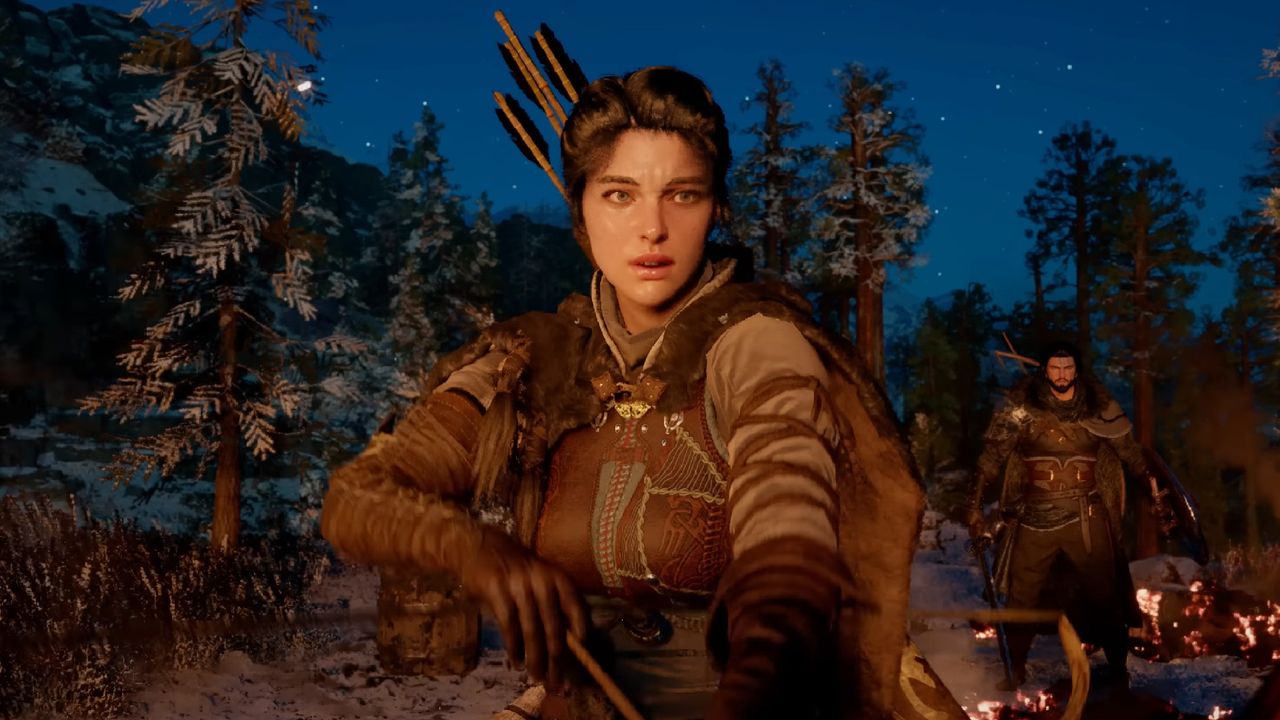
- Game: Crimson Desert
- Developer: Pearl Abyss
- Release Date: March 19, 2026
- Genres: Action, RPG
- Platforms: PC, PlayStation 5, Xbox Series S/X, PlayStation 4, Xbox One
Comparisons between upcoming titles like The Witcher 4, internally known as Project Polaris, and Crimson Desert have intensified as players look toward the future of the genre. While the legacy of Geralt of Rivia defines the narrative expectations for CD Projekt Red’s upcoming project, Crimson Desert—developed by Pearl Abyss—is carving out a distinct identity. Recent commentary from industry veteran Konrad Tomaszkiewicz, known for his work on The Witcher 3: Wild Hunt, provides clarity on how these titles differ in their design philosophies, specifically regarding the balance between narrative density and mechanical exploration.
Understanding the Design Philosophy of Crimson Desert
Since its release on March 19, 2026, Crimson Desert has been analyzed for its approach to the open-world format. As we reported here at In Game News, the title distinguishes itself by moving away from the traditional, dialogue-heavy structures seen in classic western RPGs. Instead, the gameplay focus is placed squarely on player agency through exploration and core RPG systems.
Tomaszkiewicz, who is currently leading development on The Blood of Dawnwalker, expressed his appreciation for the genre while clarifying the intent behind the design of Pearl Abyss's title. He noted that while Crimson Desert may not be considered "story-heavy" in the traditional sense, it manages to generate emotional resonance through other means. By prioritizing the interaction between the player and the environment, the developers have created a loop that emphasizes discovery over scripted sequences.
Exploration vs. Storytelling in Modern RPGs
The debate regarding whether is Crimson Desert a story heavy game has been a central point of discussion within the community. Unlike the narrative-driven approach famously associated with the adventures of Geralt, Crimson Desert utilizes its action-RPG framework to encourage players to interact with the world physically. This design choice suggests that the emotional weight of the game is intended to emerge from the player's own journey and encounters rather than a linear plotline.
For those interested in how these design choices impact the broader industry, you can read more in our RPG genre coverage. The shift toward systemic gameplay allows for a different kind of immersion, one that relies on the player's curiosity rather than the delivery of cinematic exposition.
Comparing Development Goals: Project Polaris and Crimson Desert
As fans track news regarding The Witcher 4, the industry has been keen to compare the objectives of Project Polaris with those of Pearl Abyss. While CD Projekt Red has established a reputation for deep, character-focused storytelling, Pearl Abyss has utilized its experience with large-scale online systems to build a foundation for Crimson Desert. This difference in pedigree is evident in the final product currently available on PC, PlayStation 5, and Xbox Series S/X.
The following table outlines the key differences in design focus based on current industry standards and developer commentary:
| Feature | Crimson Desert | Traditional Narrative RPGs |
|---|---|---|
| Primary Focus | Exploration & Action | Story & Dialogue |
| Player Agency | Systemic Interaction | Branching Choices |
| Emotional Core | Emergent Gameplay | Character Arcs |
The Role of Pearl Abyss in 2026
The Crimson Desert developer Pearl Abyss latest news 2026 highlights a transition toward high-fidelity action titles that maintain performance across multiple generations of hardware, including PlayStation 4 and Xbox One. By focusing on "RPG things"—a term used by Tomaszkiewicz to describe the mechanical depth of character progression and world interaction—the developers have aimed to provide a consistent experience regardless of the platform.
For more updates on how developers are navigating these technical challenges, check out our industry news coverage. The ability to maintain a consistent vision across such a wide array of hardware is a significant milestone for the studio.
Player Reception and Mechanical Depth
When asking is Crimson Desert an RPG or action game, the answer is that it functions as a hybrid. The game blends fast-paced combat with the progression systems required for the RPG label. This duality is exactly what allows the game to function without relying on a constant stream of narrative beats. Players are encouraged to find their own path, a sentiment echoed by those who have spent significant time with the game since its March launch.
The feedback regarding what did The Witcher 3 director say about Crimson Desert has served as a benchmark for how critics evaluate the title. By acknowledging that a game does not need to be "story-heavy" to be effective, the industry is seeing a broader acceptance of titles that prioritize systemic engagement. This shift is likely to influence future projects, including those currently in development at major studios.
Frequently Asked Questions
Is Crimson Desert a story heavy game?
No, according to industry director Konrad Tomaszkiewicz, Crimson Desert is not primarily focused on a story-heavy experience, favoring exploration and RPG mechanics instead.
What did The Witcher 3 director say about Crimson Desert?
Konrad Tomaszkiewicz noted that while Crimson Desert may lack a traditional story-heavy structure, it successfully evokes unique emotions through its emphasis on exploration and RPG systems.
Is Crimson Desert an RPG or action game?
Crimson Desert is officially classified as both an action and an RPG, blending combat mechanics with traditional role-playing elements.