
How World of Warcraft and Zelda Influenced Fable 2 Design in 2026
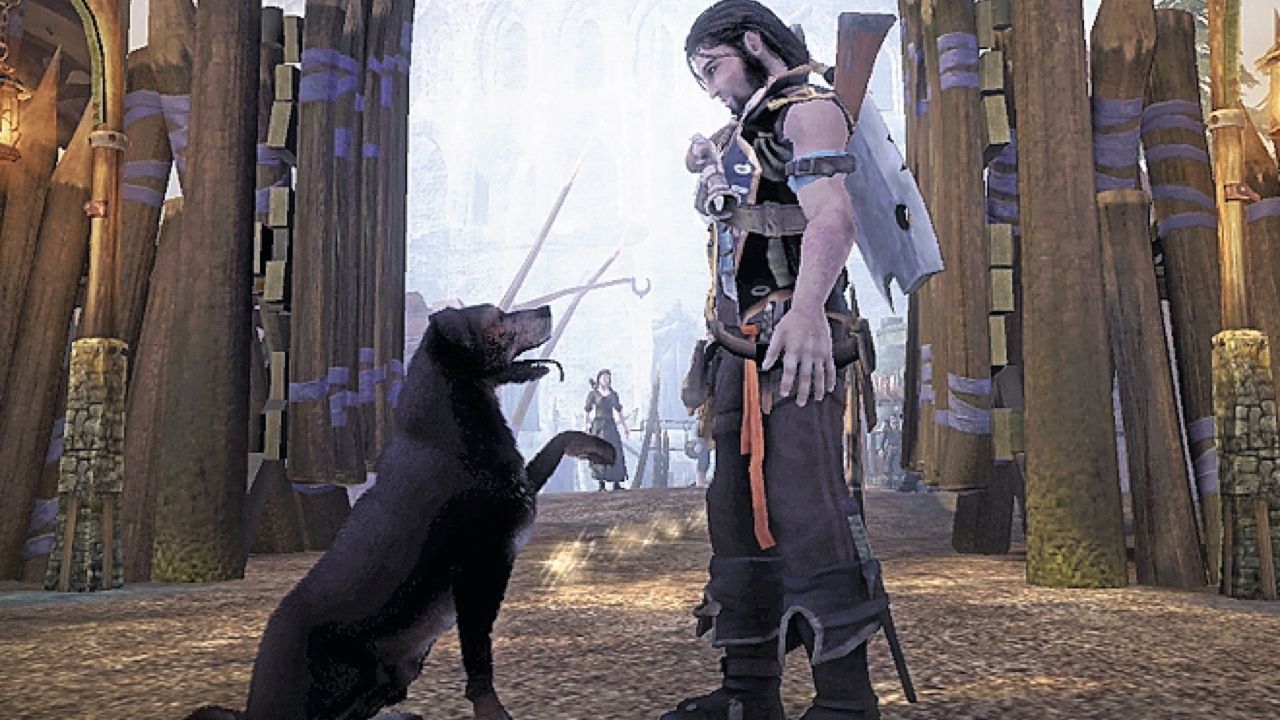
- Game: Fable II
- Developer: Lionhead Studios
- Original Release Date: October 21, 2008
- Original Platforms: Xbox 360, Xbox One
The design philosophy behind Fable 2 was heavily influenced by the mechanics found in World of Warcraft and The Legend of Zelda, leading to a unique no-death system that remains a subject of discussion in 2026. While modern titles like The War Within expansion for World of Warcraft or the high-skill requirements of WoW Classic emphasize traditional failure states, Fable 2 opted for a different approach. Former lead Peter Molyneux and his team at Lionhead Studios prioritized player experience over punishing difficulty, a decision that continues to define the legacy of the 2008 action RPG.
The Origins of the Fable 2 No-Death System Explained 2026
In the gaming landscape of the mid-2000s, most titles relied on the standard loop of health depletion followed by a "Game Over" screen and a reload to the last save point. Fable 2, developed by Lionhead Studios and published by Microsoft Game Studios, broke this convention. When a player's health bar was fully depleted, the hero would not die. Instead, they would simply stand back up, albeit with new, permanent scars that served as a visual history of their combat failures.
This design choice was not accidental. According to insights shared in the book Playmakers, which documents the development history of various titles, the team was looking for ways to keep players immersed in the world of Albion. By removing the need to replay content, the developers aimed to prevent the frustration that often leads to players abandoning a game entirely. As we revisit these design choices in 2026, it is clear that the goal was to cater to an audience interested in the narrative journey rather than the mastery of combat mechanics.
How Did The Legend of Zelda Influence Fable 2 Development?
The inspiration for this mechanic began during sessions where Peter Molyneux and studio co-founder Mark Webley played The Legend of Zelda series. They noted that their gameplay sessions in those titles were rarely interrupted by death. They realized that the absence of a "Game Over" screen allowed them to remain in the flow of the game for longer periods. This observation became a cornerstone of the Fable 2 design philosophy.
Designer Dene Carter noted that the team believed players only stopped playing a game permanently once they had died and faced the tedious task of repeating content. By removing the death penalty, the team sought to eliminate the friction that caused players to walk away. This approach was intended to make the game more accessible, focusing on the question of "how will you do it?" rather than the traditional "can you do it?" gameplay loop found in more competitive titles of the era.
Did Peter Molyneux Fight for Fable 2 Design Choices?
The implementation of the no-death system was not met with universal approval at Lionhead Studios. There was significant internal debate regarding whether the lack of a death penalty would alienate players who expected a standard level of challenge. Some developers argued that the core demographic for console games expected a certain level of competence and mastery. However, Molyneux remained committed to the vision of a game that prioritized the player's story over mechanical punishment.
The team also explored other experimental ideas, such as a mechanic inspired by World of Warcraft where players could be reincarnated as the souls of other characters. While this was tested, it was ultimately discarded because it made combat feel less impactful and dampened the excitement of the player's personal journey. The final decision to stick with the scar-based recovery system was a compromise that satisfied the leadership's desire for a seamless experience while maintaining the game's identity.
The Philosophical Approach to Player Failure
The discussions at Lionhead Studios regarding death were deeply philosophical. For the team, the question was not just about mechanics, but about what death represented in an interactive narrative. Simon Carter, a former developer, explained that Fable 2 was designed to be an experience first. By removing the tedium of repeating segments, the developers felt they were respecting the player's time and encouraging exploration.
This perspective stands in contrast to many modern RPGs that lean into high-difficulty mechanics. For more on how game design has evolved, check out our RPG coverage here at In Game News. The legacy of Fable 2 serves as a reminder that design choices are often driven by the desire to maintain player engagement, a principle that remains relevant regardless of the generation.
Key Considerations in Fable 2 Design
- Player Retention: The primary goal was to prevent players from quitting due to frustration.
- Visual Feedback: Scars provided a permanent, narrative-driven consequence for failure without ending the game.
- Accessibility: The game was designed for a broader audience that valued experience over technical mastery.
- Flow State: By avoiding save-point reloads, the team kept players within the game world for longer sessions.
As we look forward to the future of the franchise, including the upcoming reboot, the lessons learned from Fable 2 continue to inform how developers approach player failure. For further reading on industry trends, please visit our industry news hub. The story of how Lionhead Studios navigated these design challenges highlights the importance of clear creative direction in the development process.
Frequently Asked Questions
How did The Legend of Zelda influence Fable 2 development?
Director Peter Molyneux and co-founder Mark Webley observed that players rarely died in The Legend of Zelda and did not seem discouraged, which inspired them to remove traditional death mechanics in Fable 2.
Why does Fable 2 have a no-death system?
The developers implemented a no-death system to ensure players could maintain an uninterrupted experience without the frustration of reloading save files after failing a challenge.
Did Peter Molyneux fight for Fable 2 design choices?
Yes, Peter Molyneux advocated for the removal of traditional death mechanics despite internal pushback from other Lionhead Studios developers who were concerned about the lack of challenge.