
Shigeru Miyamoto and the Official History of the Zelda Timeline in 2026
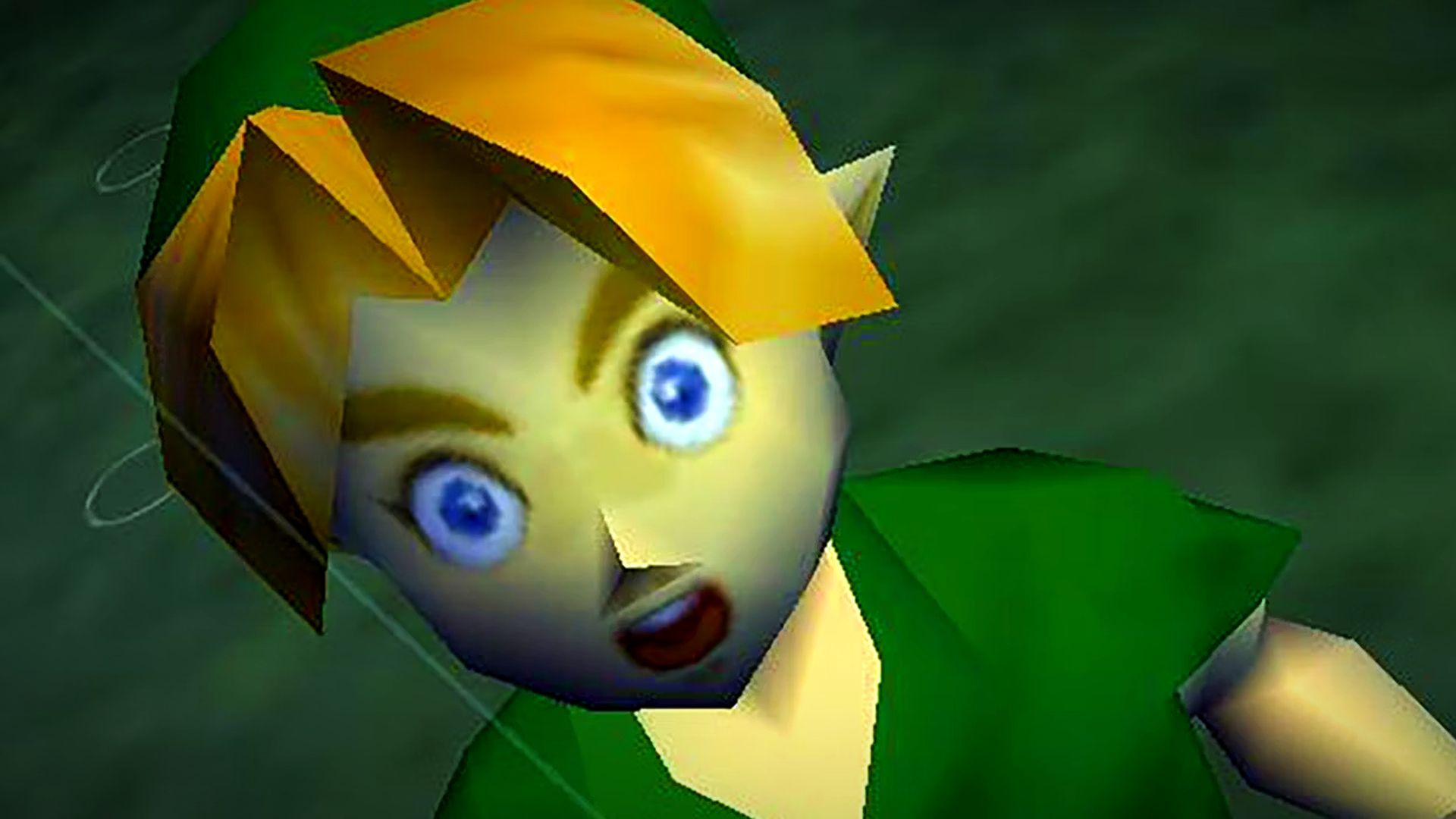
- Game: The Legend of Zelda
- Developer: Nintendo
- Release Date: 1986-02-21
- Platforms: Nintendo Switch, Nintendo 3DS, Wii U, Wii, Game Boy Advance, NES
The legendary designer Shigeru Miyamoto has long maintained that the internal chronology of The Legend of Zelda series, while documented, remains secondary to the primary goal of creating engaging gameplay systems. As of 2026, the discussion surrounding the official history of the Legend of Zelda timeline continues to draw attention, despite Nintendo’s historical focus on individual story experiences over strict continuity.
The Origins of the Secret Zelda Documentation
For decades, fans of the series debated the connections between various iterations of Link and Zelda. While these debates often took place in online forums, the reality of the series' structure was hidden within a private document at Nintendo. In a 2003 interview with Swedish Superplay Magazine, Shigeru Miyamoto clarified the company's approach to the series' lore. He noted that while Nintendo possessed an enormous document that explained how each game related to others, the importance of this document was low compared to the development of the game system itself.
The philosophy at Nintendo has consistently prioritized the player's immediate experience. Miyamoto explained that for every entry, the team aims to tell a new story that is easy for the player to understand. The goal is to ensure the player is fully immersed in the game's core content without being hindered by an overly complex or unclear plot. This approach explains why, for many years, the connections between titles remained a mystery to the public.
How Does the Legend of Zelda Timeline Work in 2026?
The official history of the Legend of Zelda timeline reached a point of formalization with the 2011 publication of Hyrule Historia. This book provided a structured, albeit complex, explanation of how the games fit together. It famously introduced a split-timeline theory, where the series diverges into three distinct branches following the conclusion of The Legend of Zelda: Ocarina of Time.
At In Game News, we have tracked how this revelation shifted the conversation from speculation to analysis. While some players find the three-branch structure to be a logical conclusion to the series' history, others remain skeptical, noting that the timeline was clearly not the primary focus during the earlier development years of the franchise. The reliance on this document, which was previously restricted to only a few high-level staff members, demonstrates that Nintendo did have a long-term plan, even if that plan was not the driving force behind the creative process.
Restricted Access to Lore
The secrecy surrounding the timeline document was significant. In a 2010 interview, series producer Eiji Aonuma confirmed that access to the master document was strictly limited. Only he, Shigeru Miyamoto, and the specific director of the game in development were permitted to view the internal records. This limited access ensured that the creative teams could focus on the mechanics of the current project without being overly constrained by the requirements of a broader, established history.
- 1986: The original The Legend of Zelda is released, establishing the series.
- 2003: Miyamoto confirms the existence of a secret internal document.
- 2010: Eiji Aonuma identifies the limited group of people with access to the lore.
- 2011: Hyrule Historia is published, making the timeline official.
The Evolution of Fan Engagement
The transition from mystery to an official document has fostered a massive community of lore enthusiasts. Today, a cottage industry of video breakdowns on platforms like YouTube exists, dedicated to dissecting every piece of information provided in official publications. This trend highlights a shift in how players interact with the series. Even if the developers view the timeline as secondary to gameplay, the audience has elevated the importance of the narrative structure through their own analysis and discussion.
For those interested in the broader impact of these design choices, our Nintendo coverage provides further context on how these development philosophies have shaped the company's output over the last four decades. The contrast between Miyamoto's focus on the game system and the fan-driven focus on the timeline remains one of the most interesting aspects of the franchise's legacy.
As we look at the state of the series in 2026, the question of whether the timeline is truly "official" is settled, but the debate over its necessity remains. The document that Miyamoto once described as "not that important" has become a cornerstone of community engagement. Whether this changes the player's perception of the games is a matter of individual preference, but it confirms that Nintendo’s internal planning was more substantial than many skeptics initially believed.
For more updates on the development history of classic franchises, check out our retro gaming news section. We continue to monitor how these foundational documents and design philosophies influence modern titles across the Nintendo Switch and other platforms.
Frequently Asked Questions
Is the Legend of Zelda timeline official?
Yes, the official timeline was released in the 2011 book Hyrule Historia, which categorizes the series into three distinct branches following the events of Ocarina of Time.
What did Shigeru Miyamoto say about the Zelda timeline?
Shigeru Miyamoto stated that while Nintendo maintains an internal document to connect the games, the specific timeline is not a priority compared to the core game systems and player experience.
Does Nintendo have a secret Zelda timeline document?
Yes, Nintendo has maintained a private document detailing how the various entries in the series relate to one another, accessible only to key producers and directors.