
Marvel Rivals Devs Reportedly Distribute Skins Based On Sales Data
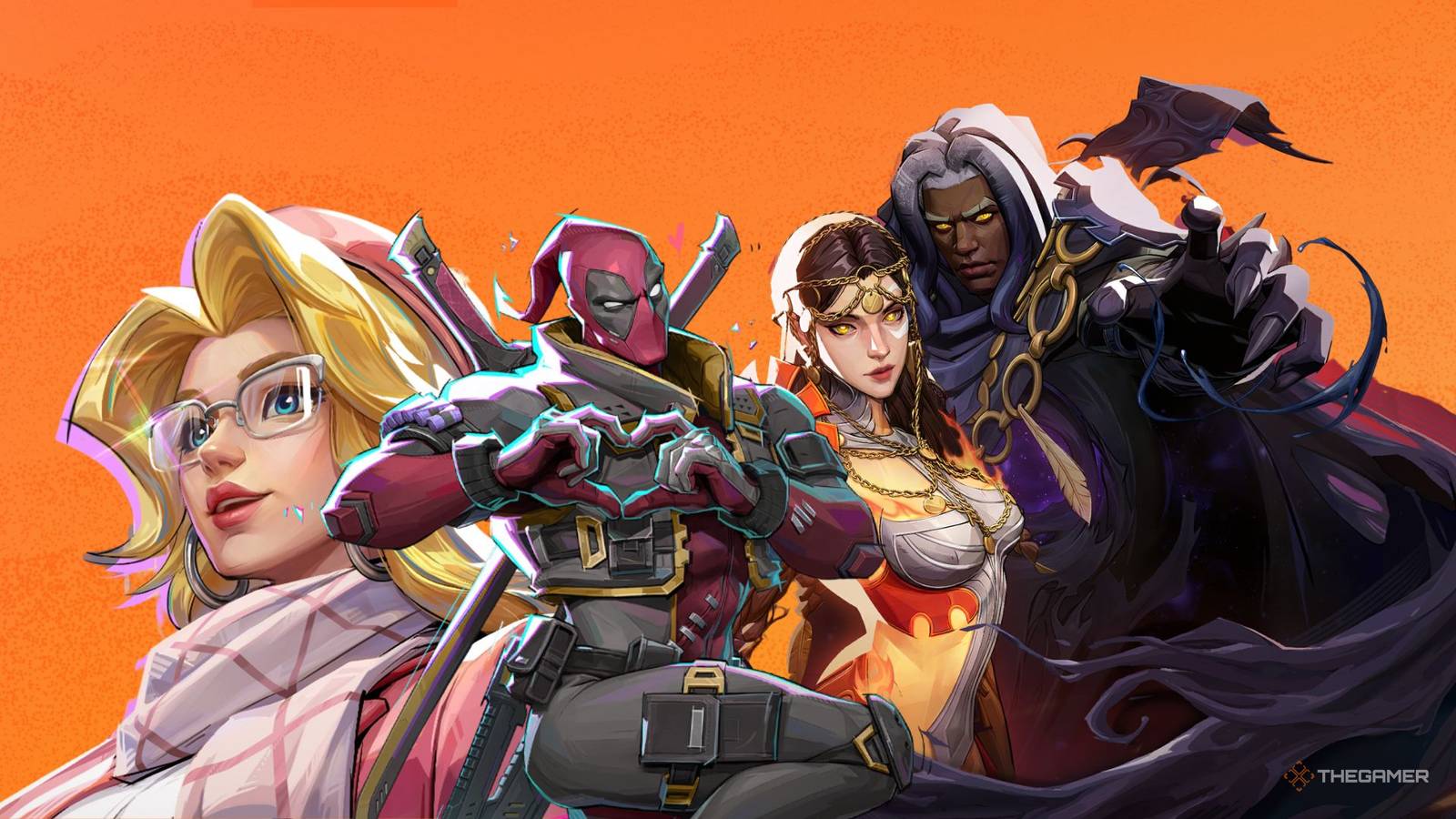
- Game: Marvel Rivals
- Developer/Publisher: NetEase Games
- Release Date: December 6, 2024
- Platforms: PC, PlayStation 5, Xbox Series S/X
Marvel Rivals developers reportedly distribute skins based on sales performance, a strategy that explains why certain characters receive more frequent cosmetic updates than others. As players continue to compare the current state of the game to industry benchmarks like Cyberpunk 2077 and its Phantom Liberty expansion—both developed by CD Projekt Red—the conversation around monetization in hero shooters has intensified. In our coverage at In Game News, we have tracked how the community perceives the current Marvel Rivals skin distribution policy explained 2026.
Understanding the Economics of Marvel Rivals Skin Releases
The frustration surrounding which characters receive new legendary skins has become a common topic among the player base. With a vast roster available, many players find that their preferred characters are frequently overlooked in seasonal updates. This concern was recently addressed by industry insider Miller Ross, who provided insight into the internal logic driving these decisions. According to Ross, the distribution of content is not a result of developer bias, but rather a calculated business decision made by the team at NetEase.
For those questioning how does Marvel Rivals decide which characters get new skins, the answer lies in financial data. Ross notes that the developers must prioritize assets that are proven to sell. If a specific character’s skin consistently outperforms others in the shop, that character becomes a higher priority for future cosmetic development. This approach is intended to ensure the long-term sustainability of the game, as the revenue generated from these cosmetics supports ongoing development and server maintenance.
The Role of Data in Cosmetic Prioritization
The current latest Marvel Rivals developer news regarding skin releases suggests that the community’s purchasing habits dictate the production schedule. When players ask why support characters or specific heroes like Invisible Woman receive multiple legendary skins, the data indicates that these items are purchased at a higher volume than those for other characters. Ross explains that if one character’s skin sells more individual units than the combined sales of skins for two or three other characters, it is financially logical for the developer to prioritize that hero.
This reality leads to a cycle where popular characters remain in the spotlight. The following list outlines the factors that influence which heroes receive new content:
- Sales Performance: The primary metric for determining future skin development.
- Market Testing: Developers occasionally release skins for less popular characters to gauge interest and determine if a new market segment exists.
- Financial Sustainability: Revenue from high-performing skins allows the studio to keep the game updated.
- Consumer Demand: The collective purchasing behavior of the player base directly influences the development pipeline.
Interestingly, the data does not always align with community sentiment. Ross highlighted that skins for characters like Emma Frost often sell exceptionally well, even when the community expresses dissatisfaction with the designs. This discrepancy between vocal feedback and actual purchase data is a common challenge for developers managing live-service titles.
Addressing Community Concerns About Roster Representation
Players often wonder why are some Marvel Rivals characters getting more skins than others, particularly when favorites like Black Widow do not receive as much attention. The insight provided by Ross suggests that while developers are aware of the desire for broader representation, they cannot justify the cost of development for items that do not meet internal sales targets. The goal of the studio is to minimize financial risk while maximizing the utility of their art team's time.
However, this does not mean that underrepresented characters will never receive new skins. NetEase continues to test the market by releasing limited cosmetics for various characters to see if the demand exists. If a character who typically sees low engagement suddenly sees a spike in sales for a new legendary skin, that character may see an increase in future cosmetic support. Until such a shift occurs, players can expect the current rotation of popular heroes—such as Jeff, Cloak & Dagger, and Deadpool—to continue receiving the bulk of new content.
The Impact of Purchasing Power
Ultimately, the distribution of skins acts as a reflection of the player base's own spending habits. If the community desires a shift in which characters are prioritized, the most effective signal to the developer is the volume of purchases. As long as the current top-selling characters continue to drive revenue, the development strategy is unlikely to change. For those who feel their main character is being ignored, the reality of the business model suggests that the situation is a direct consequence of broader market trends rather than a deliberate exclusion by the design team.
This transparency regarding the business side of Marvel Rivals provides a clearer picture for players who have been frustrated by the perceived imbalance in the shop. By understanding that the development of cosmetics is tied to quantifiable sales metrics, players can better manage their expectations regarding future updates. As we continue our coverage at In Game News, we will keep an eye on how these trends evolve as the game matures on PC, PlayStation 5, and Xbox Series S/X.
Frequently Asked Questions
How does Marvel Rivals decide which characters get new skins?
Marvel Rivals developers prioritize skin production based on sales metrics, focusing on characters whose cosmetics generate the highest revenue.
Are Marvel Rivals skins based on meta and purchase rates?
While meta popularity can influence player engagement, skin distribution is primarily driven by actual purchase rates of existing legendary cosmetics.
Why are some Marvel Rivals characters getting more skins than others?
Characters like Invisible Woman receive more skins because their previous releases have demonstrated stronger sales performance compared to other roster members.