
Blood of Dawnwalker Release Window 2026: Director Shares RPG Vision
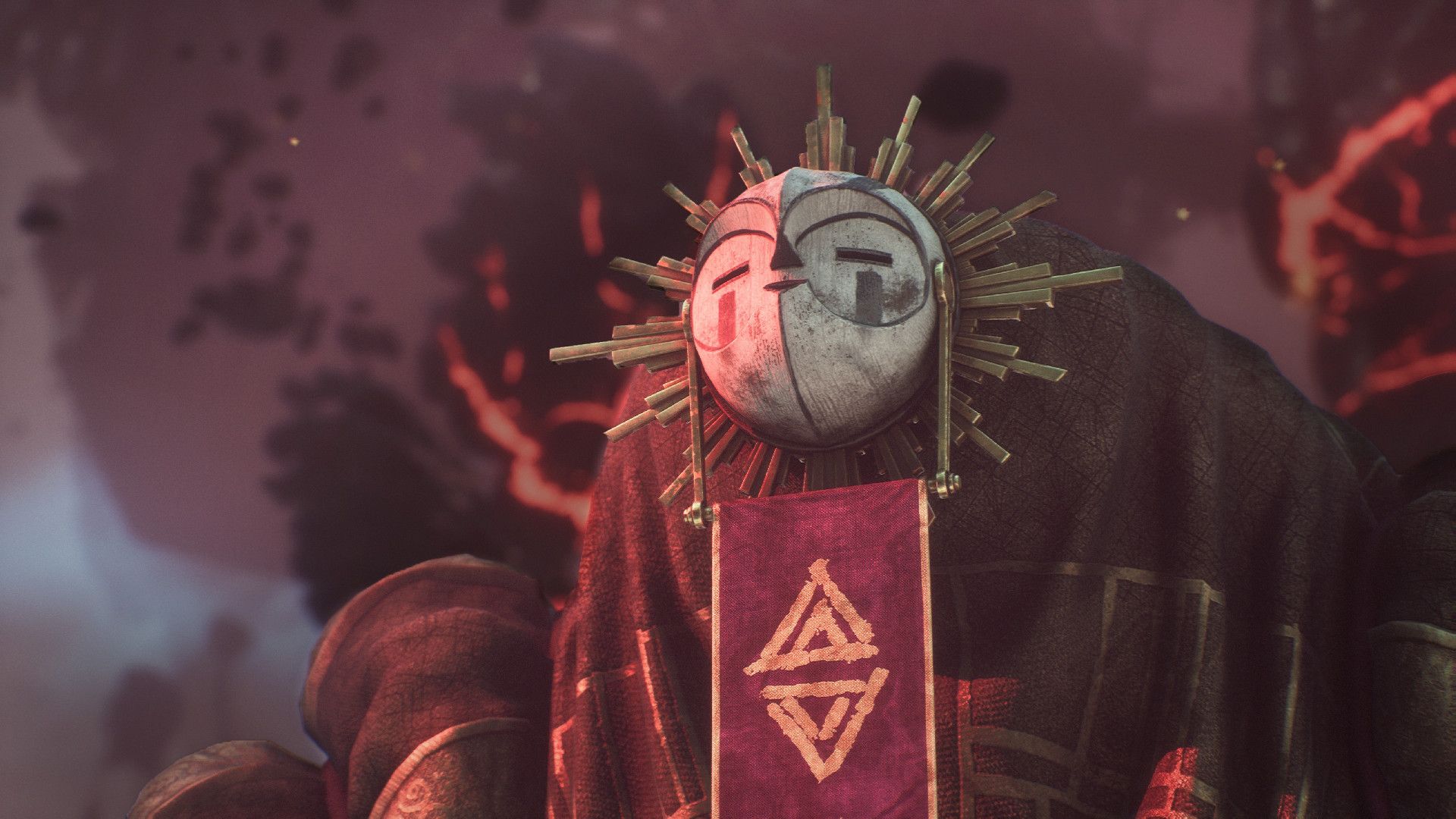
- Game: The Blood Of Dawnwalker
- Developer: Sandfall Interactive
- Release Date: 2026-09-03
- Platforms: PC, PlayStation 5, Xbox Series S/X
The Blood of Dawnwalker, a new action-RPG developed by Sandfall Interactive, reached its official release window 2026 on September 3. As players compare the title to modern industry benchmarks like Baldur's Gate 3 and the highly anticipated The Witcher 4 (Project Polaris), the project’s director has provided insight into the design philosophy shaping this experience. By analyzing the current market, which includes massive hits like BG3 and the upcoming work from Larian Studios, the development team aims to carve out a unique identity within the crowded RPG sector.
The Influence of 90s RPGs on Modern Development
When discussing the creative direction of The Blood of Dawnwalker, director Konrad Tomaszkiewicz points toward the 1990s as a primary source of inspiration. Having grown up during the golden age of the genre, Tomaszkiewicz notes that titles like The Eye of the Beholder, Stonekeep, and Betrayal at Krondor fundamentally shaped his understanding of game design. These early experiences established a standard for what he calls an "unknown experience," where players are presented with systems that encourage discovery rather than rote memorization.
Interestingly, Tomaszkiewicz views the classic Baldur's Gate as a relatively modern reference point compared to the titles of his childhood. This perspective highlights the evolution of the genre, where contemporary hits often build upon the foundations laid by those early experiments. For the team at Sandfall Interactive, the goal is to capture the spirit of the 90s—a time when every new release offered a distinct way to control the game and experience its world—while utilizing modern technical capabilities.
Comparing Design Philosophies: From Crimson Desert to Dispatch
Tomaszkiewicz emphasizes that his team is not solely looking at the past. By observing current titles, the director is evaluating how different studios approach player freedom and narrative delivery. He highlights Crimson Desert as a key example of how developers can provide freedom from a system perspective, noting that the game achieves emotional resonance without relying exclusively on a heavy story-driven structure.
Furthermore, the narrative approach found in Dispatch served as a reference for how to craft believable dialogue and character interactions. According to Tomaszkiewicz, the current industry climate is unique because it allows for a diverse range of experiences. He suggests that we are currently in a period where smaller studios have the opportunity to experiment and compete alongside major AAA releases, much like the market conditions seen in the early 1990s.
Key Influences on The Blood of Dawnwalker
- Classic RPGs: The Eye of the Beholder, Stonekeep, and Betrayal at Krondor.
- Contemporary Narrative: The dialogue-heavy approach seen in Dispatch.
- Systemic Freedom: The design methodologies observed in Crimson Desert.
- Genre Diversity: The rise of varied RPG experiences like Clair Obscur: Expedition 33.
The Evolution of the Modern RPG Market
In our coverage at In Game News, we have observed a shift in how developers approach the RPG genre. Tomaszkiewicz notes that for several years, many RPGs followed a similar formula, leading to a period of stagnation. However, the current trend encourages developers to create something that stands out from the crowd. This shift is reflected in the release of games that offer vastly different mechanics and control schemes, moving away from the homogenized experiences that dominated the market in the recent past.
The director explicitly mentions that his studio intends to continue this trend of delivering unique experiences with each subsequent title. By focusing on the "unknown experience," the team at Sandfall Interactive hopes to provide players with something that feels distinct from the standard offerings of the genre. This philosophy extends to all aspects of the game, including its narrative and gameplay systems, which the team confirms will feature traditional RPG elements like romance.
Reflecting on the 2026 Gaming Landscape
As the industry moves through 2026, the comparison to the 90s remains a central theme for many developers. The ability for smaller companies to experiment is a direct result of the doors being "open again" for creative risk-taking. While players wait to see how The Blood of Dawnwalker performs on PC, PlayStation 5, and Xbox Series S/X, the industry continues to watch how these varied design philosophies influence the next generation of games.
For those tracking the development of major titles, the contrast between the narrative focus of Larian Studios and the systemic freedom of other developers provides a clear picture of how the genre is being pulled in multiple directions. This diversity is what Tomaszkiewicz believes will keep the RPG genre relevant and engaging for years to come. As we continue our coverage of the industry, we will monitor how these design choices impact player reception and long-term engagement.
Frequently Asked Questions
Is Blood of Dawnwalker inspired by 90s RPGs?
Yes, director Konrad Tomaszkiewicz confirmed that the game is inspired by 1990s RPGs such as The Eye of the Beholder, Stonekeep, and Betrayal at Krondor.
What games inspired Konrad Tomaszkiewicz for Blood of Dawnwalker?
Beyond 90s classics, Tomaszkiewicz cited modern titles like Crimson Desert for its systemic freedom and Dispatch for its approach to character-driven dialogue.
Who is the director of Blood of Dawnwalker?
The director of Blood of Dawnwalker is Konrad Tomaszkiewicz, who is well known for his previous work as the director of The Witcher 3: Wild Hunt.