
Castlevania 2: Simon’s Quest Remains One of the Most Ambitious NES RPGs in 2026
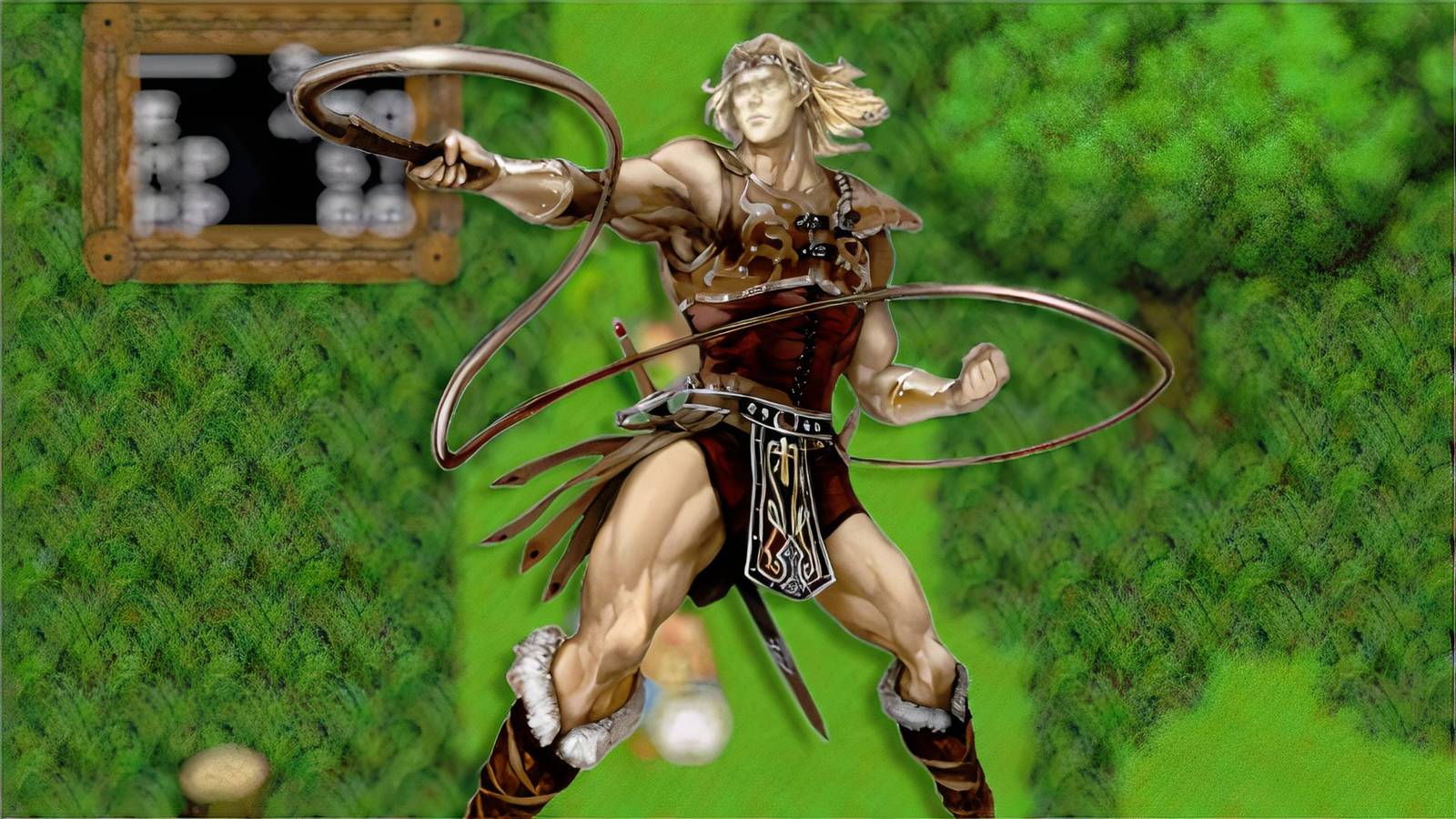
- Game: Castlevania II: Simon's Quest
- Developer: Konami
- Original Release Date: August 28, 1987
- Genre: Platformer, Action-Adventure, Action RPG
- Platforms: NES, Nintendo 3DS, Wii U, Wii
Castlevania 2: Simon’s Quest is frequently cited as one of the most ambitious NES RPGs of all time, a topic explored in recent posts by Blake Morse. Published May 31, 2026, our coverage at In Game News examines how this title pushed the boundaries of 8-bit gaming by blending traditional platforming mechanics with complex adventure elements. As Blake Morse notes in his professional analysis, the title represented a significant shift in design philosophy for the franchise during the late 1980s.
The Evolution of the NES RPG
During the 1980s, the Nintendo Entertainment System saw a surge in popularity for the role-playing genre. Much of this interest was fueled by the legacy of tabletop gaming, specifically the influence of Gary Gygax and the mechanics found in Dungeons & Dragons. Developers sought to translate the depth of fantasy literature and tabletop systems into the interactive 8-bit medium. While many titles adhered to standard formulas, others attempted to merge genres to create experiences that felt distinct from their peers.
The history of JRPGs on the Nintendo Entertainment System is marked by experimentation. Because the genre was still in its infancy, developers were not constrained by the rigid standards that would define later decades. This led to the creation of unique titles that tested the limits of the hardware. Among the best retro RPGs on NES for 2026, Castlevania 2: Simon’s Quest stands out for its specific attempt to graft RPG systems onto an established action platformer franchise.
Why is Castlevania 2: Simon's Quest Considered an RPG?
The original entry in the series was a linear action game, but the sequel moved in a different direction. What makes Castlevania 2: Simon's Quest an ambitious NES game is its departure from the level-by-level structure of its predecessor. Instead, the game offered a non-linear world where players could travel between villages, interact with NPCs, and manage inventory items to progress.
The implementation of these features effectively moved the series into the action RPG category. By incorporating these elements, the developers forced players to engage with the world in a way that required more than just reflexes. The game introduced several key mechanics that were ahead of their time:
- Non-linear map exploration allowing for backtracking.
- Village settings populated with NPCs providing information.
- An integrated day/night cycle that altered enemy difficulty and world state.
- Inventory-based puzzles that required specific items to unlock new areas.
Technical Innovation and Limitations
The development team at Konami utilized the Mercury engine to power the experience. Despite the technical limitations of the NES, the game managed to sustain a sense of scale that was rarely seen in 1987. The day/night system, in particular, served as a core mechanic that influenced how players approached combat and movement across the map. This system became a noted hallmark of the series, influencing future iterations of the franchise.
While the game is often debated for its design choices, it remains a focal point for those studying the history of JRPGs on the Nintendo Entertainment System. The transition from pure action to a hybrid model was a risk, and while it did not always align with player expectations at the time, it provided a blueprint for how action-adventure games could incorporate RPG depth. Readers interested in more historical context can view our retro gaming coverage for further details on 8-bit design.
Impact on the 8-Bit Market
The 8-bit market was a testing ground for concepts that would eventually become industry standards. The ambition shown by Konami in 1987 reflects a broader trend of developers trying to maximize the potential of the NES. By moving away from the arcade-style structure of the first game, Simon’s Quest challenged players to think about their objectives and the path they took through the world.
For those looking to understand the best retro RPGs on NES for 2026, it is necessary to look at how these games functioned within the constraints of the era. The game’s design choices, such as the lack of a traditional save feature and the reliance on cryptic clues, are reflective of the design philosophy prevalent in the late 80s. You can find more analysis on this era of gaming in our industry history archives.
Frequently Asked Questions
Why is Castlevania 2: Simon's Quest considered an RPG?
Castlevania 2: Simon's Quest is categorized as an RPG because it moved away from linear action to include non-linear exploration, village interactions, and NPC dialogue.
What makes Castlevania 2: Simon's Quest an ambitious NES game?
The game was ambitious for its time by introducing a persistent day/night cycle and a focus on open-world exploration that deviated from the original game's straightforward structure.
When was Castlevania 2: Simon's Quest released?
Castlevania 2: Simon's Quest was released on August 28, 1987, for the Nintendo Entertainment System.