
Dishonored Development History: The Projects Before Bethesda Partnership
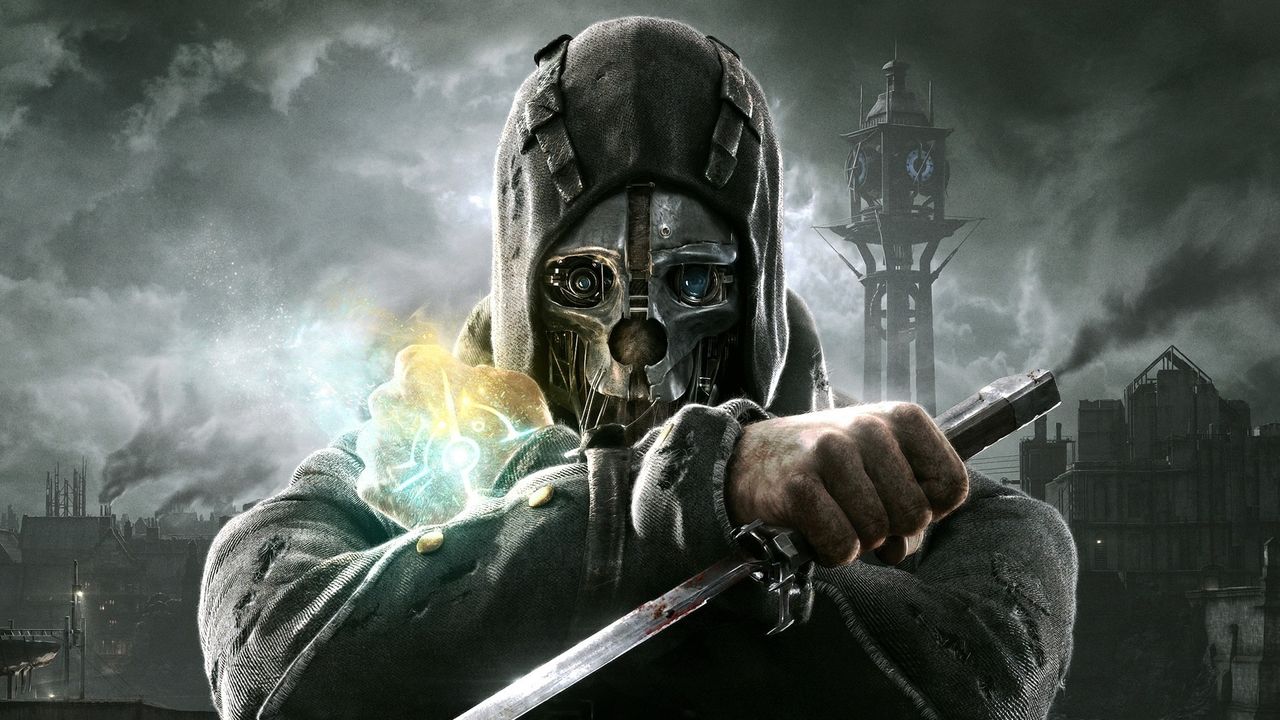
- Game: Dishonored
- Developer: Arkane Studios
- Metacritic Score: 91
- Release Date: September 25, 2012
- Platforms: PC, Xbox One, PlayStation 4, Xbox 360, PlayStation 3
Recent Gaming News regarding the development history of Dishonored reveals that the creative team behind the title was involved in several high-profile projects before their successful collaboration with Bethesda. As we look back at the landscape of Video Games in 2026, the path taken by Arkane Studios serves as a notable case study in how early conceptual work can influence final releases. Before the studio became synonymous with the immersive sim genre through the success of Dishonored, the team was actively pursuing other major intellectual properties, including an iteration of Thief 4 and a project based on the Blade Runner universe.
Dishonored Development History and Bethesda Partnership 2026
The journey of Arkane Studios toward the creation of the 2012 title Dishonored was not a direct line. In our coverage at In Game News, we have examined how the studio's early years were defined by a search for the right creative outlet. The Dishonored co-creators were deeply embedded in the immersive sim community, having been involved in projects that required a specific blend of stealth, environmental storytelling, and player agency. Before the formal partnership with Bethesda Softworks was established, the team spent significant time exploring mechanics that would eventually find a home in the streets of Dunwall.
The shift toward the final design of Dishonored occurred as the studio pivoted away from their previous obligations. By analyzing the trajectory of these early projects, it becomes clear that the DNA of the game—its focus on verticality, non-lethal approaches, and complex level design—was being refined through these earlier, unrealized concepts. This period of experimentation was essential for the studio to establish the internal standards that would later lead to a Metacritic score of 91.
What Games Were Dishonored Creators Developing Before Bethesda
The narrative surrounding the studio's history often centers on their breakout success, but the preceding years were filled with ambitious attempts to secure major licenses. The team was tasked with developing concepts for the long-running Thief franchise, specifically a version of Thief 4 that ultimately did not align with the direction the publisher intended. This project would have required the studio to adhere to the established stealth mechanics of the Garrett-led series, a challenge that pushed the developers to consider how to innovate within the constraints of a legacy franchise.
In addition to the Thief 4 project, the studio had been working on a Blade Runner game. This project would have transported the immersive sim mechanics into a high-tech, dystopian setting. The prospect of adapting the Blade Runner aesthetic into a playable digital experience was a significant undertaking, requiring the team to build complex urban environments that could facilitate both narrative progression and systemic gameplay. While neither the Blade Runner title nor their specific vision for Thief 4 reached the public, the technical lessons learned during these development cycles were applied directly to the creation of the original Dishonored.
The Transition to Original Intellectual Property
Moving away from licensed titles allowed the developers to build a new world from the ground up. This shift was a turning point for Arkane Studios. By creating an original setting, the team was no longer beholden to the expectations of established franchises. Instead, they were able to implement the features they had been iterating on for years—such as the blink ability and the chaos system—without needing to justify them against pre-existing lore. This creative freedom is frequently cited as a reason for the high quality of the final product released on PC and consoles.
For more on the history of the studio, see our Arkane Studios coverage.
Did Arkane Studios Work on a Blade Runner Game?
It is a documented fact that Arkane Studios spent time developing a Blade Runner project before their partnership with Bethesda became the primary focus. This effort was part of the studio's broader attempt to secure a foothold in the industry by working on established properties. The Blade Runner project required the team to explore themes of identity and urban decay, which would later manifest in the oppressive atmosphere of Dunwall. The studio's experience with this project highlights the common practice of developers pitching or working on licensed games before establishing their own successful franchises.
The transition from a licensed Blade Runner project to the development of an original intellectual property is a defining moment in the studio's history. It allowed the developers to take the lessons learned from their failed attempts and apply them to a project where they had total control over the design, the mechanics, and the world-building. This pivot is a significant part of the Dishonored development history, illustrating the importance of creative autonomy in the production of high-quality titles.
What Was the Original Concept for Dishonored Before Bethesda
The original concept for Dishonored was not the game that players experienced in 2012. It was a culmination of the design philosophies the team had been honing while working on the Thief 4 project and the Blade Runner title. The primary goal was to create a game that rewarded player curiosity and experimentation. By combining the stealth elements of the Thief series with the atmospheric, dense city-building seen in their Blade Runner concepts, the team arrived at the core loop of Dishonored.
- Focus on verticality: The city of Dunwall was designed to be explored from rooftops and sewers.
- Player agency: The inclusion of lethal and non-lethal paths was a core requirement from the early stages.
- Immersive simulation: The environment was built to react to player choices, a hallmark of the studio's design philosophy.
- Supernatural elements: The introduction of powers like Blink allowed players to navigate the environment in ways that traditional stealth games did not.
These features were not added as an afterthought; they were the result of years of refinement that began long before the partnership with Bethesda was finalized. The studio's ability to synthesize these elements into a cohesive experience is what allowed the game to achieve such high critical acclaim upon its release. To understand the broader context of these industry shifts, readers can explore our gaming history coverage.
Frequently Asked Questions
What games were the creators of Dishonored developing before partnering with Bethesda?
Before the partnership with Bethesda, the co-creators of Dishonored were working on a project for Thief 4 and a game based on the Blade Runner intellectual property.
Did Arkane Studios work on a Blade Runner game?
Yes, Arkane Studios had been working on a Blade Runner project prior to the development of Dishonored, though it did not proceed to completion.
What was the original concept for Dishonored before Bethesda?
The development history of Dishonored shows it evolved from earlier immersive sim concepts, including work on the Thief 4 project and the aforementioned Blade Runner title.