

Eiji Aonuma and The Legend of Zelda: A 2026 Retrospective
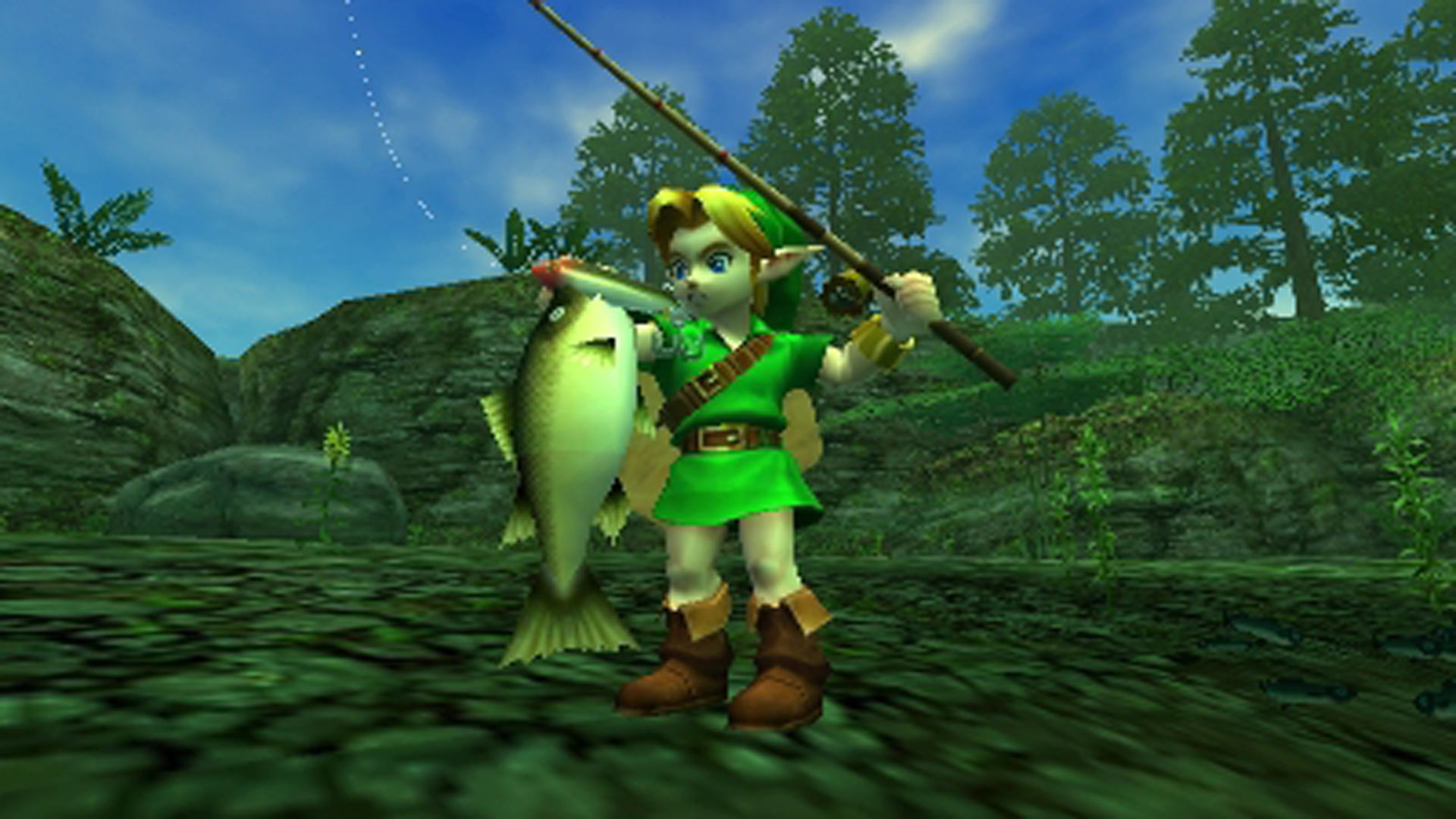
- Game: The Legend of Zelda
- Developer: Nintendo
- Series Producer: Eiji Aonuma
- Original Release: 1986-02-21
The official release date for new entries in The Legend of Zelda series remains a focal point for fans, often sparking a countdown to the next major pre-load window. As we look back at the history of this franchise in 2026, the influence of Eiji Aonuma stands out as a defining element of its longevity. Aonuma has spent 28 years with the series, serving as its producer for half of its 40-year existence. His journey from a newcomer at Nintendo to the primary architect of the franchise is a significant chapter in gaming history, one that we have tracked extensively here at In Game News.
The Origins of Eiji Aonuma at Nintendo
The path that led Eiji Aonuma to become the face of The Legend of Zelda was not a traditional one. Before he was a household name in the industry, he was a director working on smaller projects. The question of what game did Eiji Aonuma make before joining Nintendo often leads back to a specific Super Nintendo Entertainment System title. That game was Marvelous: Another Treasure Island, a project released exclusively in Japan. It was during the development of this title that Aonuma began to refine the design sensibilities that would eventually define his work on the Zelda series.
In a 2005 interview with Edge, Aonuma discussed the creative process behind his early work. He noted that Marvelous: Another Treasure Island was often compared to The Legend of Zelda in terms of its core gameplay mechanics. Aonuma admitted that he intentionally sought to incorporate the essence of Zelda into his own project. This creative alignment caught the attention of Shigeru Miyamoto, the creator of the franchise. Miyamoto observed the similarities between the two titles and saw potential in Aonuma’s approach to adventure games.
Did Shigeru Miyamoto Hire Eiji Aonuma for Zelda?
The transition for Aonuma into the Zelda team was a direct result of Miyamoto’s observation. When asked if Shigeru Miyamoto hired Eiji Aonuma for Zelda, the historical record confirms that Miyamoto reached out to Aonuma personally. After recognizing the structural parallels between Marvelous: Another Treasure Island and the Zelda franchise, Miyamoto approached Aonuma to gauge his interest in joining the team. Aonuma’s response was a simple, definitive "Yes," which set the stage for his involvement in one of the most significant projects in Nintendo’s history.
Aonuma’s first major contribution to the series was his work on dungeon design for the 1998 release, The Legend of Zelda: Ocarina of Time. This title is widely regarded as one of the most influential games ever created. Following this, Aonuma’s role expanded significantly. He went on to co-direct The Legend of Zelda: Majora's Mask and took on the sole directorial role for The Legend of Zelda: The Wind Waker. These titles helped solidify his reputation as a key figure in the evolution of the series.
Key Contributions to the Franchise
Aonuma’s leadership has been marked by a willingness to experiment with the series' established formula. For example, during the development of The Legend of Zelda: Twilight Princess, Miyamoto expressed a specific desire to see Link engage in combat while on horseback. This requirement pushed the development team to innovate in ways that Ocarina of Time had not previously achieved. This constant evolution is a hallmark of the series' history, which you can read more about in our Nintendo coverage.
The career of Eiji Aonuma within the Zelda franchise can be summarized by his transition from a director to a producer. His influence has touched nearly every major entry in the last three decades. Below is a breakdown of his progression within the company:
| Role | Notable Titles |
|---|---|
| Dungeon Designer | The Legend of Zelda: Ocarina of Time |
| Co-Director | The Legend of Zelda: Majora's Mask |
| Director | The Legend of Zelda: The Wind Waker |
| Series Producer | Various titles spanning 20 years |
The Legacy of Eiji Aonuma in 2026
As of 2026, the impact of Aonuma on the franchise is undeniable. Having spent 28 years with the series, his tenure covers the majority of the franchise's 40-year lifespan. His ability to maintain the core identity of the series while adapting to new hardware—from the Nintendo 64 to the Nintendo Switch—has been a primary factor in the franchise's continued relevance. For a deeper look at how these games have shaped the industry, check out our retrospective analysis.
The connection between Marvelous: Another Treasure Island and The Legend of Zelda serves as a reminder of how small creative decisions can lead to long-term professional partnerships. Aonuma’s early desire to emulate the Zelda style in his own work ultimately led to him becoming the primary steward of the series. This history remains a point of interest for those tracking the development of the franchise, especially as players look toward future releases and the inevitable countdowns that accompany them.
Frequently Asked Questions
The following questions address common inquiries regarding Eiji Aonuma and his history with the franchise.
How did Eiji Aonuma start working on The Legend of Zelda?
Eiji Aonuma began working on the series after Shigeru Miyamoto noticed similarities between Zelda and Aonuma's directorial debut, Marvelous: Another Treasure Island.
What game did Eiji Aonuma make before joining Nintendo?
Before joining the Zelda team, Aonuma directed the Japan-only Super Nintendo Entertainment System release titled Marvelous: Another Treasure Island.
What was Eiji Aonuma's directorial debut game?
Eiji Aonuma's directorial debut was the 1996 title Marvelous: Another Treasure Island, which served as his entry point into the industry.
Eiji Aonuma and Shigeru Miyamoto: The History of Zelda Leadership (2026)Action
Lego Is Retiring Its Legend Of Zelda Great Deku Tree Set in 2026Action
The Legend of Zelda Movie Official Release Date Set for April 30, 2026Action
Nintendo Updates Live-Action The Legend of Zelda Movie Release Date f...