
Elon Musk vs Sam Altman: OpenAI Lawsuit Dismissed in 2026
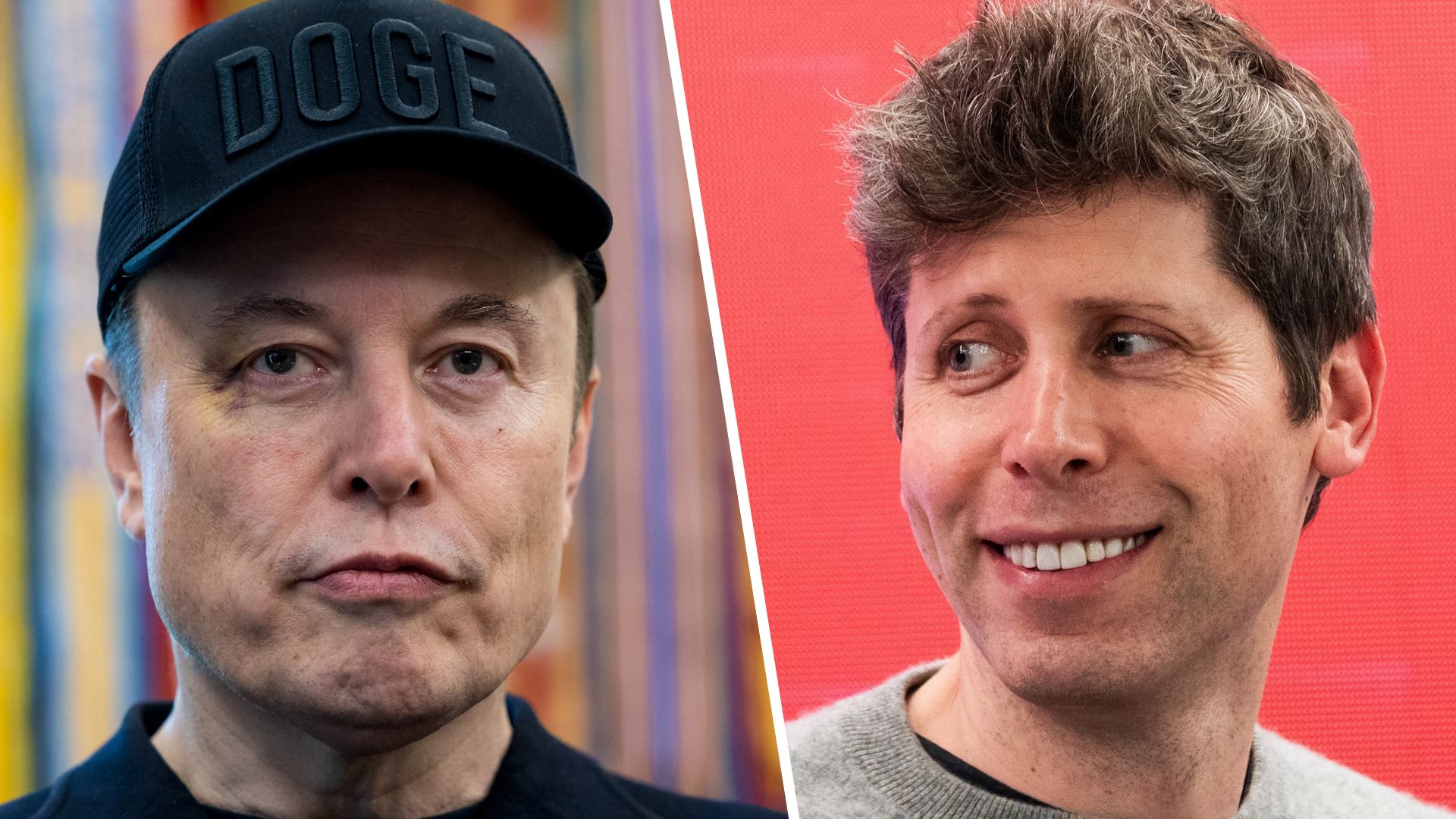
- Primary Parties: Elon Musk, Sam Altman (OpenAI)
- Verdict: Case dismissed due to statute of limitations
- Year: 2026
- Legal Venue: District Court (Judge Yvonne Gonzalez Rogers)
Elon Musk has officially lost his legal battle against OpenAI CEO Sam Altman, as a district judge dismissed the case in 2026 due to the complaint being filed past the statute of limitations. The litigation, which centered on allegations that OpenAI strayed from its original nonprofit mission during its transition to a for-profit model, was ultimately rejected by District Judge Yvonne Gonzalez Rogers following a brief deliberation by an advisory jury.
Understanding the Elon Musk vs Sam Altman Trial Outcome
The legal dispute between the tech mogul and the artificial intelligence company reached its conclusion this year. Elon Musk, who served as a co-founder and early donor to OpenAI, initiated the lawsuit in 2024. His primary claim was that the leadership team, led by Sam Altman, engaged in unjust enrichment by pivoting the organization away from its foundational nonprofit goals. The restructuring process, which maintained a nonprofit entity while integrating for-profit operations, was at the heart of Musk’s grievance.
According to reports from our coverage at In Game News, the case faced significant hurdles from the start regarding the timeline of the filing. Musk parted ways with OpenAI in 2018. OpenAI president Greg Brockman has previously stated that this separation occurred because the board of directors refused to grant Musk total control over the organization. The delay between his departure and the 2024 filing proved to be the decisive factor in the court's final ruling.
Why Was Elon Musk's Lawsuit Against OpenAI Dismissed?
The dismissal of the case was not based on the merits of the arguments regarding charitable trust but rather on procedural grounds. Judge Yvonne Gonzalez Rogers explicitly stated that the "claims of breach of charitable trust and unjust enrichment are dismissed as untimely." This legal determination means the court did not need to issue a ruling on the core allegations of the case, as the window for bringing such a suit had already closed.
The proceedings included input from an advisory jury, which deliberated on Monday before concluding that the statute of limitations prevented a verdict in favor of Musk. The judge upheld this finding, effectively ending the litigation. For those following industry shifts in the gaming and AI sectors, this result provides closure to a high-profile conflict that has loomed over the artificial intelligence community for years.
The Response to the Elon Musk OpenAI Lawsuit Verdict Details 2026
Following the dismissal, Elon Musk expressed his intent to continue the fight through the legal system. In a statement posted to his social media platform, X, Musk indicated that he would be filing an appeal with the Ninth Circuit. He argued that the current outcome sets a dangerous precedent, claiming that failing to address these issues allows for the potential "looting" of charitable organizations, which he believes is detrimental to the landscape of charitable giving in the United States.
Microsoft, a major investor in OpenAI, was also named as a target in the original complaint. A spokesperson for Microsoft provided a statement to PC Gamer, noting that the company welcomed the jury's decision to dismiss the claims as untimely, emphasizing that the facts and the timeline of the case have been clear for quite some time.
Broader Implications of the 2026 Verdict
While the focus of the trial remained on legal technicalities, the proceedings provided a rare glimpse into the interconnected nature of the tech elite. Beyond the legal arguments, the trial surfaced interesting details about the relationships between prominent figures in the industry. For instance, the proceedings highlighted that Gabe Newell, the founder of Valve, facilitated a tour of SpaceX for Hideo Kojima. Furthermore, the testimony underscored a collective obsession among AI moguls with Demis Hassabis, the head of Google AI and a former game developer.
These revelations highlight how the worlds of high-stakes AI development, space exploration, and video game industry leadership often overlap. While the lawsuit itself failed to yield a victory for Musk, it served as a platform for these influential figures to interact in a public, albeit adversarial, environment.
Key Takeaways from the Legal Proceedings
- The case was dismissed primarily due to the statute of limitations.
- Elon Musk has confirmed plans to appeal the decision to the Ninth Circuit.
- The judge and jury did not reach a verdict on the merits of the "unjust enrichment" claims.
- Microsoft, as a key partner to OpenAI, maintains that the dismissal was the correct outcome based on the timeline.
- The trial revealed personal connections between industry leaders like Gabe Newell and Hideo Kojima.
Frequently Asked Questions
Why did Elon Musk lose his lawsuit against OpenAI?
Elon Musk lost his lawsuit against OpenAI because the court determined that the complaint was filed after the statute of limitations had expired.
What was the outcome of the Elon Musk vs Sam Altman trial?
The trial concluded in 2026 with District Judge Yvonne Gonzalez Rogers dismissing the claims of breach of charitable trust and unjust enrichment as untimely.
Did Elon Musk win his case against OpenAI in 2026?
No, Elon Musk did not win his case against OpenAI, as the judge and an advisory jury found the claims to be legally untimely.
Zero Parades: For Dead Spies Review 2026 – A Narrative RPG VerdictAnalysis
Sony Shifts Strategy: PlayStation 5 Singleplayer Games No Longer Comi...Xbox
Xbox Future Strategy: Director Predicts Major Platform Shifts for 2026PlayStation
Prominent PlayStation 5 Podcaster Account Hacked: Security Warning 2026