
Is Grandia Worth Playing in 2026? A Look at the Classic PS1 JRPG
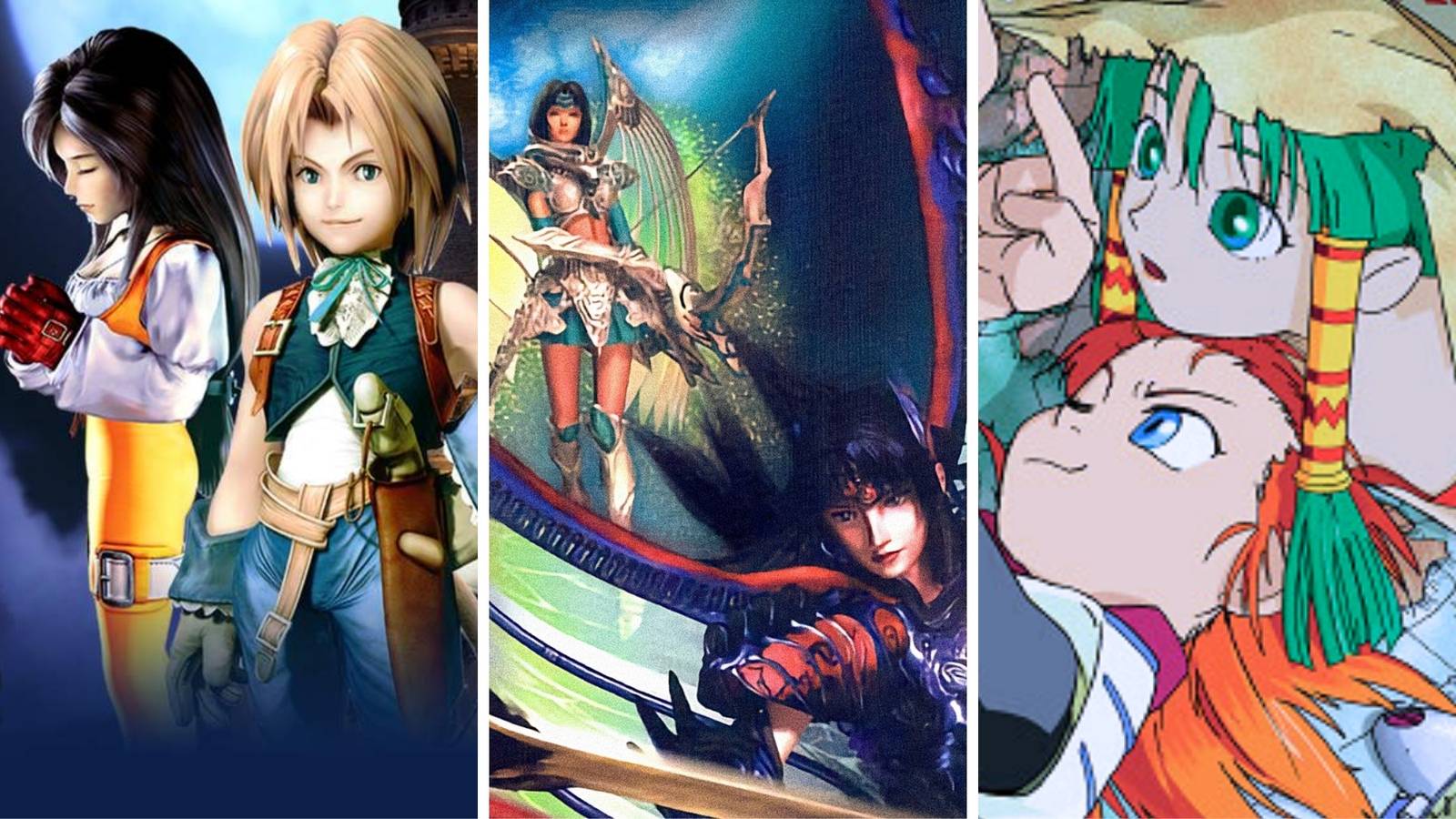
- Game: Grandia
- Developer: Game Arts
- Metacritic Score: 89
- Original Release Date: December 18, 1997
While industry giants like Final Fantasy VII Rebirth and the ongoing success of Final Fantasy XIV continue to dominate the modern Square Enix portfolio, many players are looking back at the foundation of the genre. As the Esports sector and organizations like FaZe Clan capture significant attention in the current media cycle, the enduring appeal of classic PS1 JRPGs that hold up today remains a topic of interest at In Game News. Among these, the 1997 release of Grandia stands out as a primary example of creative design that continues to influence the medium in 2026.
The Legacy of Grandia in the Modern Era
The PlayStation 1 era represents a distinct period of experimentation for developers. During this time, teams were tasked with pushing hardware beyond its intended limits, resulting in titles that felt unique compared to their predecessors. Our coverage at In Game News highlights that while many games from this period suffer from aging mechanics, Grandia remains one of the best PS1 JRPGs to play in 2026. With a Metacritic score of 89, the game established a standard for adventure-focused role-playing games that prioritized player immersion over complex, front-loaded systems.
Many titles from the late 90s are often hindered by steep learning curves or early-game difficulty spikes that act as barriers to entry. Grandia, however, is noted for its ability to draw players in quickly. This accessibility is a key reason why is Grandia considered a classic JRPG by both critics and long-time fans. By avoiding the friction that plagues other retro titles, it maintains a level of playability that aligns with the expectations of modern audiences who may be accustomed to the polish of current-generation releases.
Comparing Classic Design to Modern Expectations
In the current gaming market, players often weigh the value of legacy titles against modern releases. While Final Fantasy VII Rebirth provides a high-fidelity experience, the charm of 1997's Grandia lies in its structural integrity. The game was developed by Game Arts and saw releases across the PC, PlayStation, and SEGA Saturn platforms. Its design philosophy—centered on the feeling of a true journey—has allowed it to age more gracefully than many of its contemporaries.
For those interested in how these older titles fit into the broader industry, we have curated a list of factors that contribute to the longevity of these games:
- Systemic Accessibility: Unlike many peers, Grandia avoids early-game frustration.
- Narrative Focus: The game emphasizes the sense of adventure, a hallmark of the genre.
- Technical Stability: Despite being a 1997 title, its core systems remain functional and responsive on modern hardware.
- Critical Reception: A Metacritic score of 89 reinforces its status as a high-quality production.
As we continue our retro gaming coverage, it is clear that the industry's obsession with remakes often overlooks the fact that some original titles do not require modernization to be enjoyed. The distinction between a game that is historically significant and a game that is actually fun to play is often blurred, but Grandia sits firmly in the latter category.
Why Grandia Remains Relevant
The conversation surrounding what are the best nostalgic PS1 JRPGs often shifts toward titles that define the genre's peak. Grandia is frequently cited because it makes the act of adventuring feel meaningful. In an era where Esports and competitive titles like those represented by FaZe Clan focus on rapid-fire action and social connectivity, the solitary, deliberate pace of a classic JRPG offers a necessary contrast.
Furthermore, the technical background of the industry has evolved significantly since the 1997 release. Developers today have access to tools that make porting and remastering easier, yet many classic titles remain locked to their original hardware. This scarcity adds to the allure for collectors and enthusiasts looking for authentic experiences. For more on how older software is being preserved, see our industry analysis reports.
Frequently Asked Questions
Is Grandia worth playing in 2026?
Grandia is considered worth playing in 2026 due to its engaging narrative and unique gameplay systems that avoid the heavy friction found in many other titles from the PlayStation 1 era.
What are the best nostalgic PS1 JRPGs to play in 2026?
The best nostalgic PS1 JRPGs that hold up today are those that offer immediate engagement and compelling systems, with Grandia frequently cited as a standout title for its adventurous spirit.
Why is Grandia considered a classic JRPG?
Grandia is considered a classic JRPG because it successfully experimented with the hardware of its time to create a distinct, immersive experience that remains enjoyable for modern players.