
STICKER/BALL 2026: The New Roguelike Pool Game Explained
Gaming News in 2026 has seen a surge in experimental titles, and Video Games like the newly released STICKER/BALL are pushing the boundaries of traditional sports simulations. Developed as a unique fusion of genres, STICKER/BALL introduces a high-stakes, roguelike approach to the classic game of pool, challenging players to navigate increasingly chaotic table layouts on PC. This report covers the core mechanics and design philosophy behind this latest addition to the indie scene.
- Game: STICKER/BALL
- Platform: PC
- Genre: Roguelike Pool / Action
- Release Year: 2026
What is the gameplay style of STICKER/BALL?
At its core, STICKER/BALL functions as a physics-based pool game, but it deviates significantly from standard simulations by incorporating procedural generation. Players are tasked with clearing tables under pressure, where the geometry and ball placement change with every run. This roguelike structure ensures that no two sessions are identical, forcing players to constantly adjust their strategy based on the available angles and obstacles present on the table.
Unlike traditional pool games that focus on realism and steady pacing, STICKER/BALL prioritizes momentum. The game encourages players to chain shots together to maintain a combo meter, which is essential for achieving high scores. The physics engine is tuned for speed, allowing for unconventional bank shots and trick shots that would be impossible in a standard billiards setting. For more on the evolution of indie titles, see our indie gaming coverage.
Is STICKER/BALL a roguelike pool game?
The classification of STICKER/BALL as a roguelike pool game is defined by its progression system and the permanence of failure. When a player misses a shot or fails to clear the table within the allotted constraints, the run ends, and the player must start from the beginning. This loop is central to the "score-chasing" nature of the title, as players attempt to push further into the game's tiered difficulty levels during each session.
The roguelike elements extend to the power-ups and table modifiers that appear throughout a run. Players may encounter special stickers or ball types that alter the physics of the game, such as increasing ball speed, changing friction, or adding gravity-defying pockets. These modifiers are randomized, requiring players to build a temporary loadout that best suits the current table configuration. This integration of luck and skill is a defining characteristic of the experience.
STICKER/BALL score-chasing mechanics explained
The primary objective in STICKER/BALL is to maximize the score before the run concludes. The scoring system rewards accuracy, speed, and the complexity of the shots performed. By hitting multiple balls in rapid succession, players trigger multipliers that significantly boost their final tally. This makes the game a test of both precision and risk management, as attempting more difficult shots yields higher rewards but increases the likelihood of a failed run.
Key aspects of the score-chasing mechanics include:
- Combo Multipliers: Sustaining a streak of successful shots increases the score multiplier.
- Table Geometry: Complex bank shots and ricochets offer higher point values than direct pocket shots.
- Time Constraints: Certain levels impose a time limit, encouraging aggressive playstyles.
- Randomized Modifiers: Collecting specific items during a run can provide temporary buffs to scoring potential.
These mechanics are designed to keep the gameplay loop tight and addictive. For further analysis on current trends in the PC market, visit our PC gaming coverage.
What makes STICKER/BALL unique in 2026
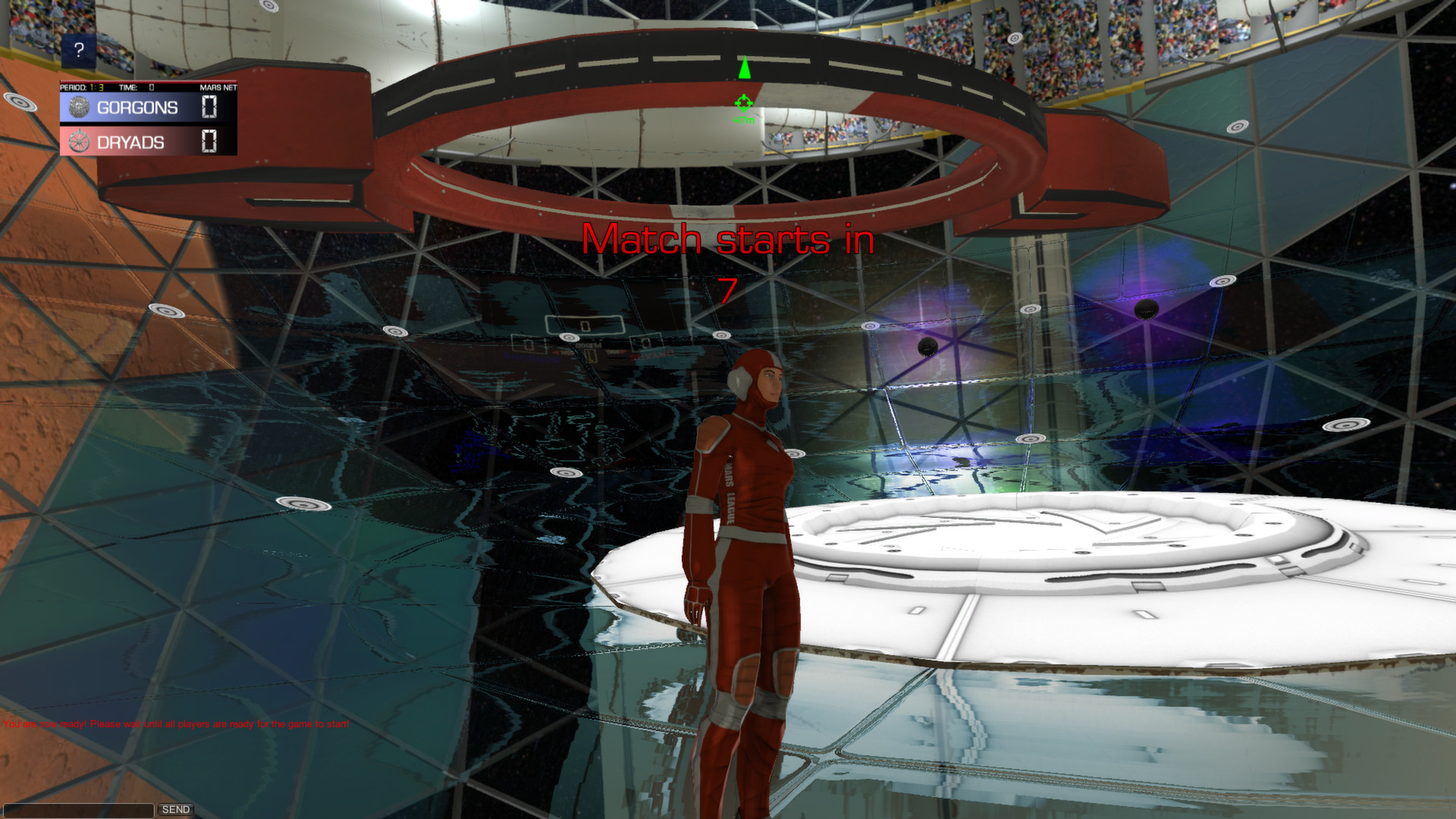
In the crowded market of 2026, STICKER/BALL distinguishes itself by stripping away the slow, methodical nature of sports games and replacing it with the intensity of an arcade action title. While games like the 2014 title G-Ball (released on PC and macOS) laid the groundwork for indie sports simulations, STICKER/BALL takes these concepts into a modern, high-speed direction.
The game does not attempt to replicate the professional billiards experience. Instead, it treats the pool table as an arena for high-speed physics puzzles. By removing the turn-based structure of traditional pool and replacing it with a continuous, high-pressure environment, the developers have created a distinct sub-genre that appeals to both sports fans and players who enjoy the high-score-chasing nature of classic arcade games. The reliance on procedural generation ensures that the challenge remains fresh, preventing the stagnation often found in static sports titles.
Frequently Asked Questions
What is the gameplay style of STICKER/BALL?
STICKER/BALL is a roguelike pool game that blends traditional billiards mechanics with high-intensity, score-chasing action.
Is STICKER/BALL a roguelike pool game?
Yes, STICKER/BALL utilizes roguelike elements to create a chaotic, unpredictable experience where players must adapt to changing table conditions.
What makes STICKER/BALL unique in 2026?
The game stands out by combining the precision of pool simulations with fast-paced, arcade-style score-chasing mechanics that reward aggressive play.