
Stop Killing Games Petition Update: EU Commission Reply Due Before Summer 2026
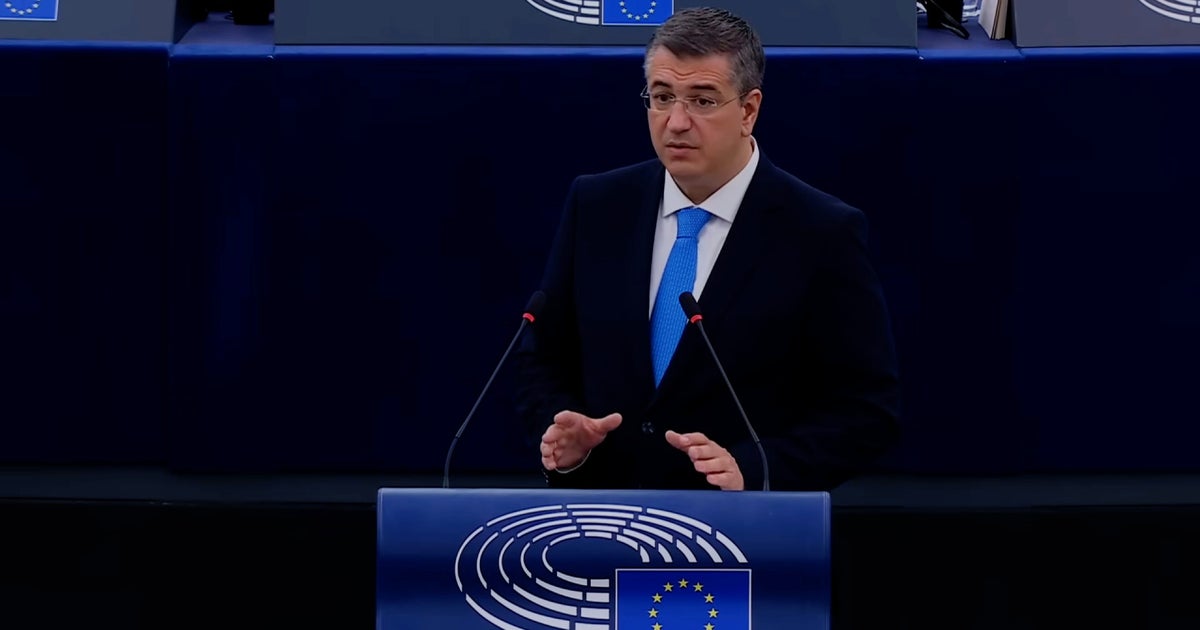
The European Commission has officially committed to providing a formal response to the Stop Killing Games petition before the summer of 2026, marking a significant development in the ongoing discourse surrounding digital ownership and server longevity. During a recent plenary session held in Strasbourg, European politicians engaged in a formal debate regarding the proposal to implement stricter consumer protections for players affected by the permanent shutdown of online game servers. While industry discussions often shift toward upcoming major releases like Grand Theft Auto VI—developed by Rockstar Games and published by Take-Two Interactive—this legislative movement focuses on the long-term accessibility of titles already in the hands of consumers.
- Topic: Stop Killing Games Petition
- Venue: European Parliament Plenary Session, Strasbourg
- Commission Representative: Apostolos Tzitzikostas
- Deadline for Response: Before Summer 2026
Legislative Progress on the Stop Killing Games Petition
The debate in Strasbourg follows a public hearing held in Brussels last month, where the industry regulation implications of server shutdowns were scrutinized by lawmakers. The Stop Killing Games campaign argues that publishers should be legally obligated to ensure that games remain playable even after the primary servers are decommissioned. This sentiment has gained traction among various members of the European Parliament (MEPs) who are concerned about the loss of digital cultural heritage and the erosion of consumer rights in the modern gaming market.
During the session, the European Commission’s representative, Apostolos Tzitzikostas, addressed the assembly. While he did not provide an immediate legislative proposal, he acknowledged the urgency of the matter. "We are not yet in a position to issue detailed comments on this initiative," Tzitzikostas stated, before confirming that a comprehensive reply is being drafted and will be issued to the petitioners before the summer months arrive. This timeline provides a clear window for stakeholders to anticipate the next phase of the legislative process.
MEPs Reference Industry Trends During Debate
The intersection of gaming culture and political discourse was evident throughout the hour-long session. In a moment that resonated with many observers, MEP Catarina Viera drew a comparison between the legislative process and the highly anticipated release of Grand Theft Auto VI. "We've also sometimes waited many years for great European laws to come, I just hope we don't have to wait as long as we've been waiting for GTA 6 to see a proposal from the commission," Viera remarked. Her comments highlighted the frustration some legislators feel regarding the speed of regulatory adaptation in the face of rapidly evolving digital markets.
This reference to Rockstar Games' upcoming title, which is expected to launch on platforms such as the PlayStation 5 and Xbox Series X/S, underscores how deeply entrenched gaming is within the public consciousness. As we continue our coverage at In Game News, it is clear that lawmakers are increasingly aware of the cultural and economic significance of video games. Whether the discussion involves the potential for a future Nintendo Switch 2 release or the technicalities of server infrastructure, the scrutiny on developers and publishers is intensifying.
Consumer Protection and Server Sustainability
The core of the Stop Killing Games movement centers on the concept of "end-of-life" planning for software. As games become increasingly reliant on cloud-based authentication and server-side logic, the ability for a player to access a game they have purchased is often entirely dependent on the publisher's decision to keep the servers active. The campaign seeks to change this dynamic by requiring developers to provide offline patches or server source code when a game reaches the end of its commercial lifecycle.
Commissioner Tzitzikostas emphasized that the European Commission recognizes the importance of fair and transparent conditions for gamers. He noted that European consumers deserve clear expectations regarding the longevity of the software they acquire. While the Commission has not yet committed to specific mandates, the acknowledgment of these concerns during a formal parliamentary debate suggests that the issue is being treated with significant weight by regulatory bodies.
Next Steps for European Game Legislation
The upcoming response from the European Commission will be a critical indicator of how the European Union intends to handle digital property rights in the coming years. If the Commission moves toward a legislative proposal, it could set a global precedent for how video games are treated under consumer protection laws. This would represent a major shift, moving away from the current model where publishers hold near-total control over the accessibility of their titles post-launch.
Observers of the latest updates on Stop Killing Games legislation 2026 will be watching closely to see if the Commission proposes binding regulations or merely suggests voluntary guidelines for the industry. Given the international nature of the gaming industry, any firm rules established in Europe would likely have a ripple effect on development practices worldwide, potentially influencing how companies like Rockstar Games or Nintendo manage their long-term server support for future hardware like the Nintendo Switch 2.
Frequently Asked Questions
- When will the European Commission reply to the Stop Killing Games petition? The European Commission has officially committed to issuing a formal reply to the Stop Killing Games petition before the summer of 2026.
- What is the Stop Killing Games campaign petition about? The Stop Killing Games campaign is a consumer advocacy movement seeking to establish legal requirements for video game publishers to provide end-of-life plans for games when online servers are shut down.
- What happened during the European Parliament debate on game server shutdowns? During a plenary session in Strasbourg, members of the European Parliament debated the necessity of consumer protections against server shutdowns, with the European Commission promising a formal response to the initiative soon.
Pokémon TCG Pocket Booster Pack Paradox Drive Launches May 2026Action
Ignitement Bullet Heaven Release Window 2026: New Gameplay FeaturesAnalysis
Finding Best Settings for Cozy Games Where the World Feels Bigger in ...Action
Fairgames Marketing Strategy: Why Fans Question the Next State of Play