
The Legend of Zelda Origins: 2026 Look at Famicom Disk System Design
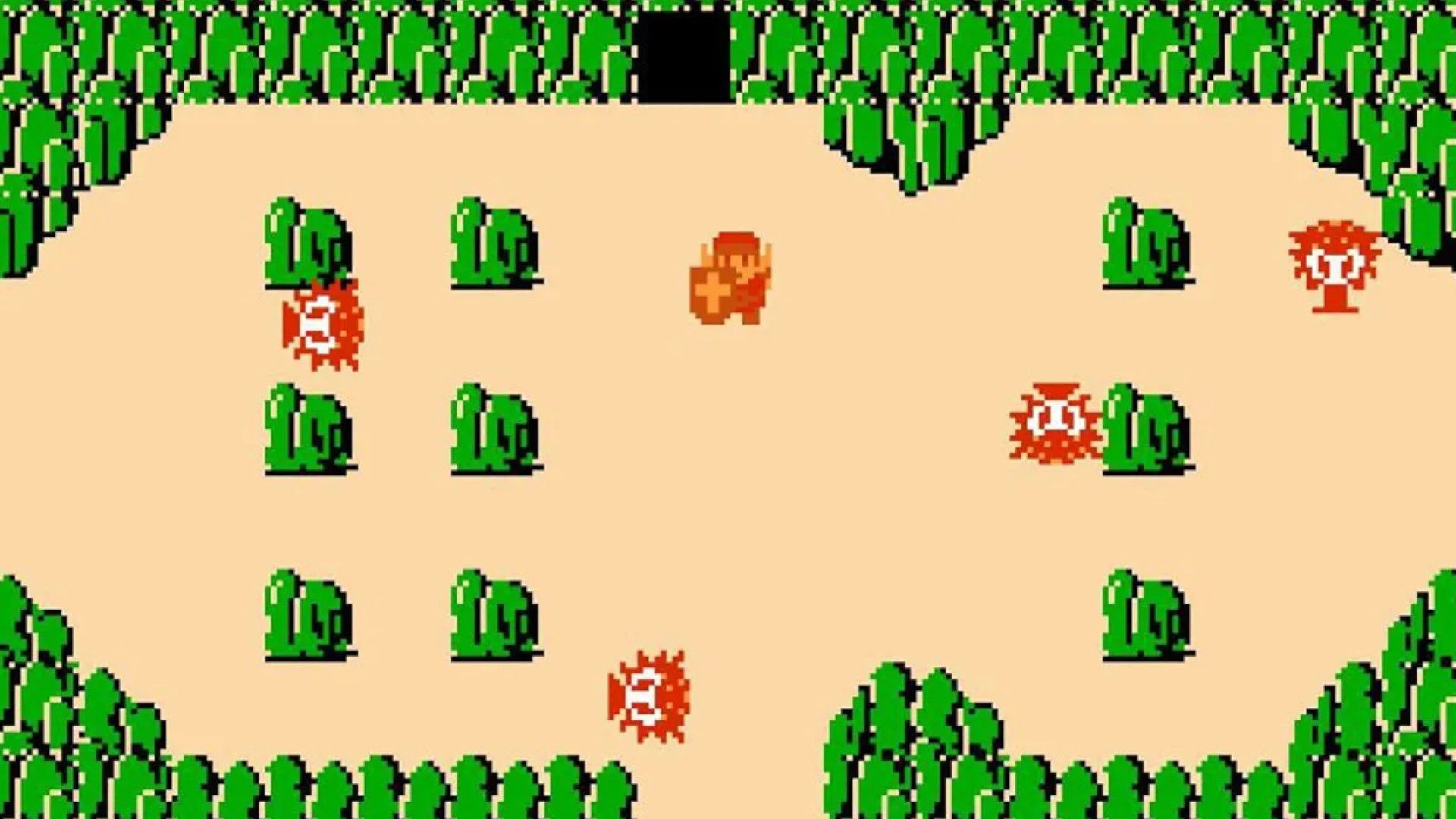
- Game: The Legend of Zelda
- Developer: Nintendo
- Original Release Date: 1986-02-21
- Platform: Famicom Disk System
The original release date for The Legend of Zelda, which arrived on February 21, 1986, marked a significant shift in console gaming through its use of the Famicom Disk System. While modern players often look for a pre-load option or a countdown to the latest titles in 2026, the historical context provided by Shigeru Miyamoto reveals a development process defined by hardware limitations and creative ambition. As we reflect on the history of this franchise here at In Game News, it is clear that the technical features of the Famicom Disk System were central to the game's identity.
How Famicom Disk System Features Changed Development
The decision to utilize the Famicom Disk System rather than a standard game cartridge was a strategic move by Nintendo to accommodate the game's scale. Unlike the linear structure of many contemporary titles, the disk format allowed for more expansive data storage. According to Miyamoto, the team was eager to leverage the hardware's unique capabilities to improve the player experience.
Technical Advancements
The transition to the disk-based medium enabled several core features that were not feasible on standard cartridges at the time. These included:
- Name registration for player save files.
- Enhanced audio capabilities compared to standard Famicom sound.
- The ability to save progress directly to the disk.
- Incorporation of complex data structures that allowed for a larger game map.
These features were not merely technical upgrades; they were essential to the design philosophy. By allowing players to save their progress, the developers could create a longer, more challenging experience that required multiple sessions to complete, effectively distinguishing it from the arcade-style games popular in the mid-1980s.
Concurrent Development of Nintendo Classics
It is a common point of discussion in our retro gaming coverage that Nintendo often managed multiple high-profile projects in tandem. Shigeru Miyamoto confirmed that the development of Super Mario Bros. and The Legend of Zelda occurred simultaneously. The resource management involved in this process was significant, with developers transitioning from the Mario team to the Zelda team once the former reached completion to ensure the latter could meet its release goals.
The two games occupied vastly different tiers of complexity. While Super Mario Bros. functioned as a traditional side-scrolling experience suitable for a standard cartridge, the scope of The Legend of Zelda required the increased capacity of the Famicom Disk System. This split in development paths highlights how Nintendo managed its hardware library to support distinct gameplay styles.
Shigeru Miyamoto Comments on Design Philosophy
Miyamoto has been transparent about the challenges the team faced during the creation of the first entry in the series. During a Q&A session featured on the 1994 audio CD The Legend of Zelda: Sound and Drama, he noted that the team was genuinely concerned about the game's accessibility. They feared that players might find the open-ended nature of the world too difficult to navigate without clear instructions.
Overcoming Design Challenges
The team consciously moved away from the conventions of traditional role-playing games, which relied heavily on dialogue to drive the narrative. Instead, the goal was to encourage players to interact with the world through the controller. This approach required players to learn the map, experiment with items like bombs, and navigate the environment without constant guidance. This design choice, while initially perceived as potentially too obtuse, laid the foundation for the freeform exploration seen in later titles, including The Legend of Zelda: Breath of the Wild.
Furthermore, Miyamoto’s perspective on the series' evolution remains a point of interest for historians. He has previously characterized Zelda II: The Adventure of Link as a project that did not fully meet expectations, often citing The Legend of Zelda: A Link to the Past as the true sequel that captured the intended spirit of the franchise. For more on how these design choices shaped the industry, see our industry analysis archives.
Frequently Asked Questions
Why did Shigeru Miyamoto create The Legend of Zelda?
Shigeru Miyamoto wanted to create a game that moved away from dialogue-heavy RPGs, focusing instead on player interaction with the game world and dungeon exploration.
What was Nintendo's original vision for The Legend of Zelda?
The original vision was to provide a sense of discovery where players could understand the history and nature of the land through direct exploration and mapping.
Did Nintendo develop Super Mario Bros and The Legend of Zelda simultaneously?
Yes, Nintendo developed both titles at the same time, with staff members moving to the Zelda project once their work on Super Mario Bros. was complete.
Will Nintendo Spoil The Legend of Zelda Movie After Super Mario Galax...Action
Shigeru Miyamoto and the Official History of the Zelda Timeline in 2026Action
Zelda Movie First Look Reveals Link and Master Sword Design for 2026Action
Should Link Have a Voice in 2026? The Legend of Zelda Debate Explained