
Why Batman Forever: The Arcade Game Sprites Ever Mattered in 2026
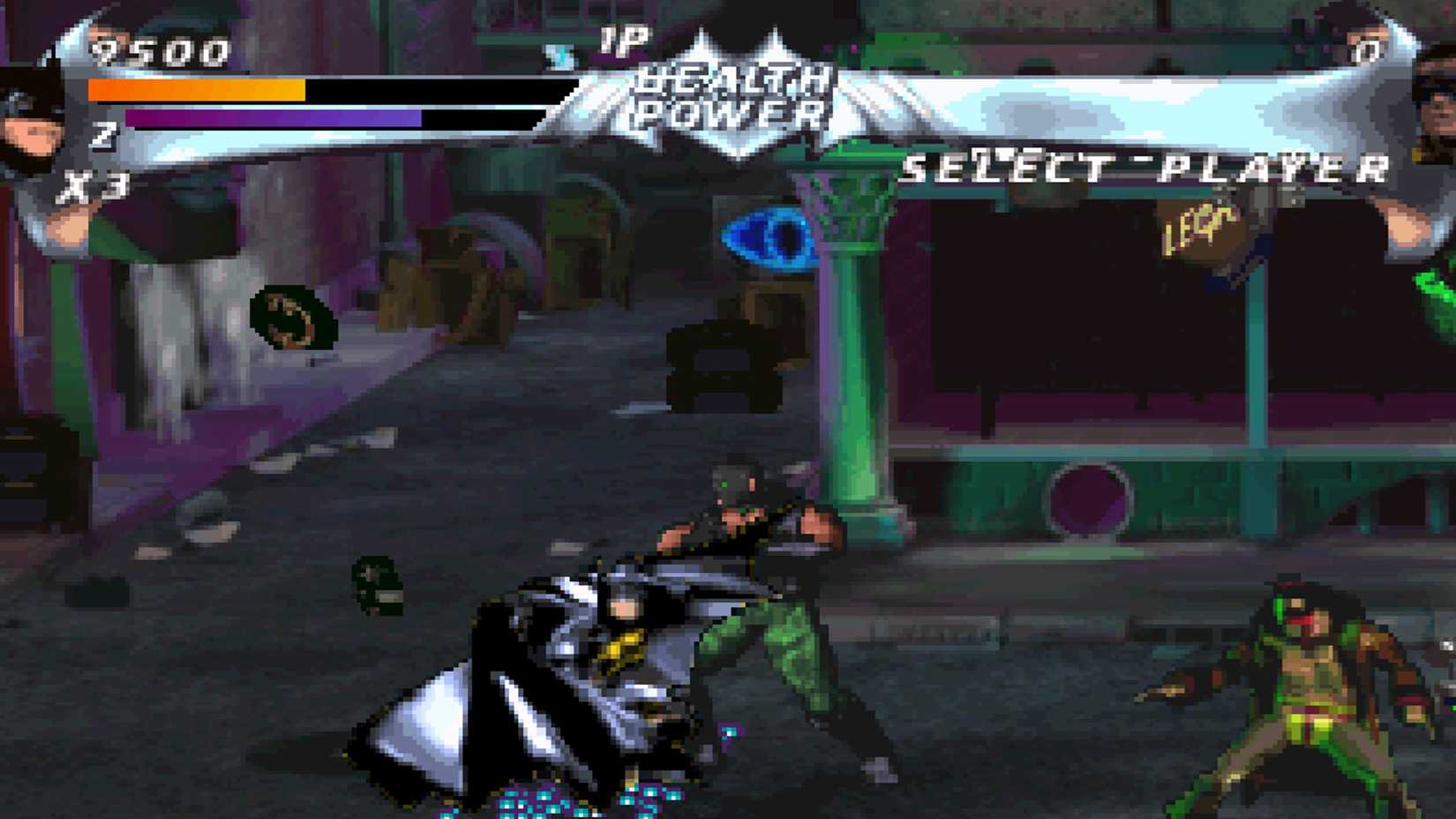 "Why Batman Forever: The Arcade Game Sprites Ever Mattered in 2026")
- Game: Batman Forever: The Arcade Game
- Developer: Iguana Entertainment
- Publisher: Acclaim Entertainment
- Release Date: November 30, 1996
When discussing the history of digitized visuals, the term Sprites Ever frequently appears in conversations regarding the transition from 2D to 3D gaming in the mid-1990s. Batman Forever: The Arcade Game, developed by Iguana Entertainment and published by Acclaim Entertainment, stands as a prime example of this technological shift. Released on November 30, 1996, for the arcade, PlayStation, Sega Saturn, and PC, the title remains a point of interest for those studying the evolution of character representation in electronic entertainment. At In Game News, we recognize this title as one of the most notable examples of how developers utilized pre-rendered 3D assets to create a distinct visual identity during the 16-bit to 32-bit transition.
The Technical Evolution of 3D Sprites
The 1990s represented a period of rapid technological growth for the industry. As hardware capabilities expanded, developers sought ways to push the boundaries of what could be displayed on screen. One of the most effective methods for achieving a high-fidelity look on limited hardware was the use of digitized 3D sprites. This process involved rendering complex 3D models or using live-action footage, then converting those assets into 2D sprites that could be processed by the game engine. This technique allowed developers to simulate depth and realism that standard hand-drawn pixel art could not easily replicate at the time.
By leveraging these digitized assets, games like Batman Forever: The Arcade Game achieved a specific aesthetic that is often categorized among the best looking 3D sprite games of all time. The process of capturing high-end 3D models and flattening them into 2D sprites provided a bridge between the traditional 2D plane and the emerging 3D era. While modern hardware has moved toward real-time 3D rendering, the visual language established by these sprite-based titles remains a subject of Batman Forever The Arcade Game graphics analysis for researchers and enthusiasts alike.
Defining the 3D Sprite Aesthetic
Understanding what are the best examples of 3D sprites in retro gaming requires looking at how these assets were integrated into the gameplay loop. In the case of this specific title, the sprites were designed to mimic the movement and appearance of their cinematic counterparts. This approach was common for licensed titles during that era, where the goal was to capture the likeness of actors or the specific look of a film franchise. By using digitized sprites, the developers at Iguana Entertainment were able to maintain a high level of visual detail that would have been impossible to render in real-time on the PlayStation or Sega Saturn hardware of the period.
When analyzing why does Batman Forever The Arcade Game look so good, one must consider the limitations of the hardware at the time. The transition to 3D was often fraught with jagged edges and low-polygon counts. By opting for pre-rendered sprites, the game avoided these issues, presenting the player with clean, high-detail character models that moved fluidly across the screen. This design choice contributed to the game's status as one of the games with the best 3D sprite art style 2026 standards, as it effectively masked the technical constraints of the 1996 gaming landscape.
Comparison of Sprite-Based Titles
To better understand the impact of this technology, we have compiled a list of common characteristics found in games that utilized this specific visual approach during the mid-to-late 1990s.
- Pre-rendered Assets: Characters were often modeled in high-end 3D software before being converted to 2D.
- Digitization: Real-world objects or actors were sometimes filmed and digitized to create realistic character movement.
- Static Backgrounds: To save processing power for the sprites, backgrounds were often pre-rendered 2D images.
- Fluid Animation: Because the sprites were pre-animated, they often featured smoother transitions than real-time 3D models of the same era.
Legacy and Impact in 2026
As we look back from 2026, the influence of these early sprite-based techniques is still visible in modern indie game development. Many titles today emulate this look to evoke a sense of nostalgia or to achieve a specific artistic vision that real-time 3D cannot replicate. While we have moved past the era where digitized sprites were a necessity for visual fidelity, the work done on titles like Batman Forever: The Arcade Game continues to be referenced in our coverage of retro gaming history. The game serves as a marker for a time when developers were forced to be creative with their resources, resulting in a visual style that remains distinct and recognizable.
The reliance on these techniques also highlights the divide between the arcade and home console experiences. While the arcade version of the game could leverage more powerful hardware to display larger and more numerous sprites, the ports to the PlayStation and Sega Saturn required careful optimization to maintain the visual intent of the original release. This process of porting and optimizing is a frequent topic in our ongoing examination of game development history. The success of these ports in replicating the arcade aesthetic helped cement the reputation of digitized sprites as a viable, if temporary, solution for high-fidelity gaming in the 1990s.
Frequently Asked Questions
What platforms was Batman Forever: The Arcade Game released on?
Batman Forever: The Arcade Game was released for the arcade, PlayStation, Sega Saturn, and PC.
Who developed Batman Forever: The Arcade Game?
The game was developed by Iguana Entertainment and published by Acclaim Entertainment.
What is the visual style of Batman Forever: The Arcade Game?
The game utilizes digitized 3D sprites, a process where high-end 3D models are converted into 2D assets for the game engine.