
ZQuest Classic: How a 1999 Zelda PC Port Became a 2026 Fangame Factory
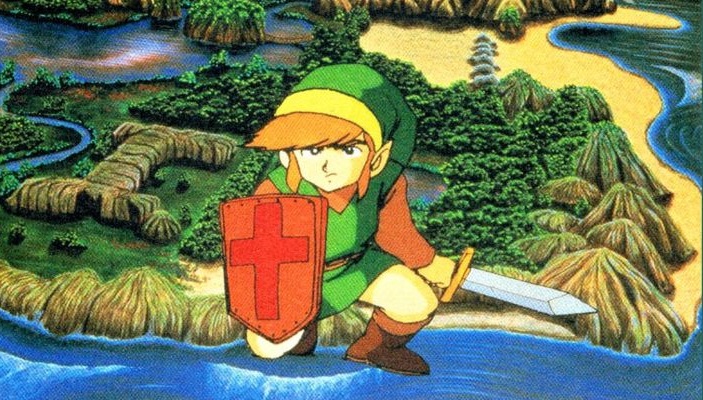
- Game: The Legend of Zelda
- Developer: Nintendo (Original), Connor Clark & Emily Venezia (ZQuest Classic)
- Original Release: 1986-02-21
- Current Status: Active Open Source Project
ZQuest Classic stands as a long-term fixture for PC players in 2026, serving as a versatile engine that transformed an unlicensed 1999 port of The Legend of Zelda into a hub for community-driven game development. Originally conceived as a simple replica of the 1986 action-adventure title, the project has evolved over more than two decades into a specialized toolset that allows creators to build custom experiences without the requirement of traditional programming skills.
What is the History of ZQuest Classic Development?
The origins of the project date back to 1999, when a hobbyist programmer known as Phantom Menace initiated work on a custom PC replica of the Nintendo Entertainment System classic. At the time, the goal was to provide a functional version of the game for computer users. However, as the project matured, it began to function less like a simple port and more like a development environment.
To address legal concerns and distinguish the project from Nintendo’s intellectual property, the software was rebranded from Zelda Classic to ZQuest Classic. Today, the open-source engine is maintained by a team of volunteers, including leads Connor Clark and Emily Venezia. These maintainers rely on a network of community contributors and testers to ensure the software remains functional and accessible for new generations of developers.
How Does the Zelda Fangame Community Use PC Ports?
The appeal of ZQuest Classic lies in its accessibility. Unlike modern game engines such as Godot, which often require users to write custom character controller scripts to move an avatar, ZQuest Classic provides a pre-built framework. Users can interact with the engine through a graphical interface, toggling checkboxes and adjusting numerical values to define game rules and level layouts.
The community has utilized this system to push the boundaries of what the original engine was designed to handle. While the base software was built to mimic the 1986 adventure, creators have used the tool to build everything from platformers inspired by the Mega Man series to custom recreations of other classic titles like Tetris. This versatility has positioned the software in a unique space between simple level editors, such as those found in the Mario Maker series, and professional-grade development tools.
The following list highlights the core utility of the ZQuest Classic engine for modern creators:
- No-Code Level Editing: Users can design complex dungeons and overworlds using a visual interface rather than complex programming languages.
- Extensive Customization: The engine allows for the modification of enemy behavior, item mechanics, and character movement parameters.
- Open Source Collaboration: By operating under an open-source model, the project benefits from ongoing updates and bug fixes provided by the user base.
- Cross-Genre Flexibility: Because the engine is not limited to the original top-down adventure format, it supports various gameplay styles and mechanics.
Is ZQuest Classic Still Active for Zelda Fans in 2026?
As of 2026, ZQuest Classic remains a highly active project. The ecosystem functions similarly to a biological "whale fall," where the original game serves as a nutrient-rich foundation that sustains a diverse community of creators. These developers, many of whom discovered the software as children due to its low barrier to entry, continue to iterate on the engine, ensuring that the legacy of the original 1986 title persists through new, user-generated content.
Our coverage at In Game News notes that the endurance of this engine is largely due to the dedication of its volunteer maintainers. By keeping the software updated and accessible, they have ensured that the "fangame factory" remains operational, providing a space for amateur developers to practice game design concepts in a structured, supported environment.
What are the Best Zelda Fangames Created with ZQuest?
Determining the "best" projects within the ZQuest Classic ecosystem is subjective, as the community has produced a vast library of quests over the last 26 years. Many of the most successful projects are those that demonstrate the engine's ability to move beyond the constraints of the original 1986 game. By utilizing the custom quest editor, creators have built expansive worlds that incorporate new mechanics, custom sprites, and original music.
For those interested in the history of fan-made content, you can find more information in our game development archives. The software continues to serve as an entry point for many, providing a bridge between playing classic titles and understanding the mechanics behind them. As the project continues to evolve, it serves as a case study for how PC ports can foster long-term community creativity.
Frequently Asked Questions
How did the 90s Zelda PC port create a fangame factory?
The project began in 1999 as a fan-made replica of the original NES game, which provided a low-barrier, accessible engine that allowed users to create and share custom adventures without needing advanced coding knowledge.
Is ZQuest Classic still active for Zelda fans in 2026?
Yes, ZQuest Classic remains active in 2026, with development currently managed by volunteers Connor Clark and Emily Venezia alongside a dedicated community of contributors.
How does the Zelda fangame community use PC ports?
The community uses these ports as engines to build custom game experiences, utilizing built-in editors to modify mechanics and create original content that extends far beyond the original 1986 game design.
The Legend of Zelda Origins: 2026 Look at Famicom Disk System DesignAction
Will Nintendo Spoil The Legend of Zelda Movie After Super Mario Galax...Action
Shigeru Miyamoto and the Official History of the Zelda Timeline in 2026Action
Zelda Movie First Look Reveals Link and Master Sword Design for 2026