
Epic Games Details Use of Generative AI in Fortnite Concept Art Process
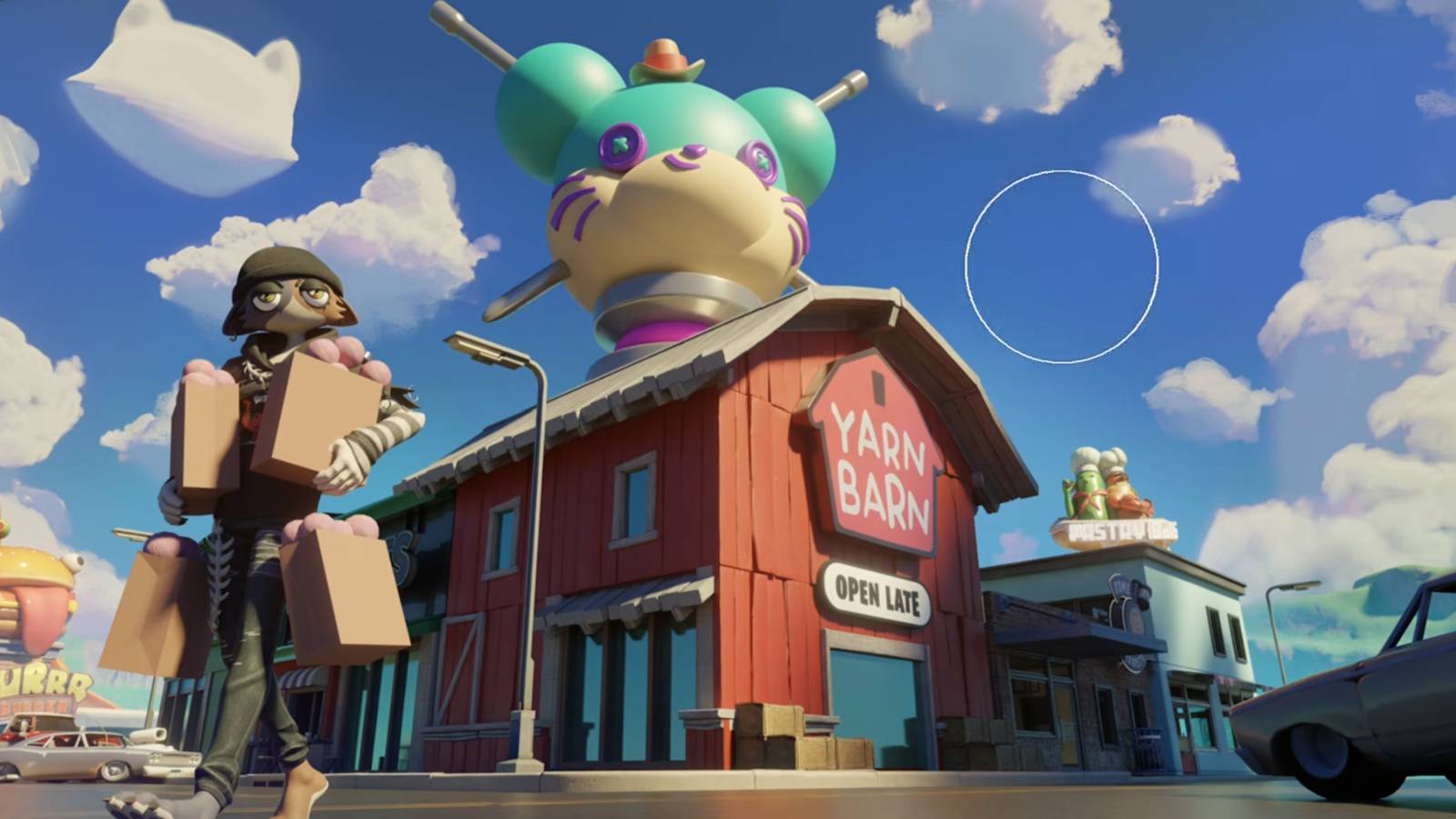
Epic Games has pulled back the curtain on its internal design process, confirming that the company is utilizing generative AI to assist in the creation of Fortnite concept art. While the studio previously faced criticism regarding AI-generated imagery in a promotional crossover with Porsche, this latest disclosure provides a technical look at how the technology is currently being integrated into their workflows.
Inside the AI-Fuelled Concepting Process
In a recent video published on the official Unreal Engine channel, artists at Epic outlined how AI tools are being implemented alongside traditional design methods. The process typically begins with an artist drawing a character from scratch. From there, they utilize a tool referred to as “GenMedia Bridge” to prompt a limited language model to iterate on the rendering of the character.
The developers admitted that the AI often introduces unprompted and erroneous details during this phase. In one example, the model added a skull to a character’s pouch and an excessive number of belt buckles, both of which required the artist to manually remove or correct the additions.
Environmental Design and Quality Control
The studio also demonstrated the use of generative technology for environment design, specifically for a project involving the exterior of a store called the “Yarn Barn.” After an artist assembled the building using assets in Blender, they applied a generative tool called “Nano Banana” to the concept art.
The demonstration highlighted that the resulting output contained numerous mistakes, necessitating repeated manual intervention by the artist to ensure the assets reached a usable state. The narrator of the video emphasized that these processes are subject to continual reviews to ensure the finished product meets the company’s quality standards, noting that artists are tasked with respecting originality and tracking the provenance of their work.
Despite these internal manual checks, the admission of using generative tools to create assets that are “riddled with mistakes”—which then require human cleanup—highlights the ongoing debate regarding the role of artificial intelligence in professional art pipelines. As studios continue to adopt these tools, the reliance on human artists to act as editors for AI-generated output remains a core part of the production cycle.