
European Commission Rejects Stop Destroying Videogames Initiative
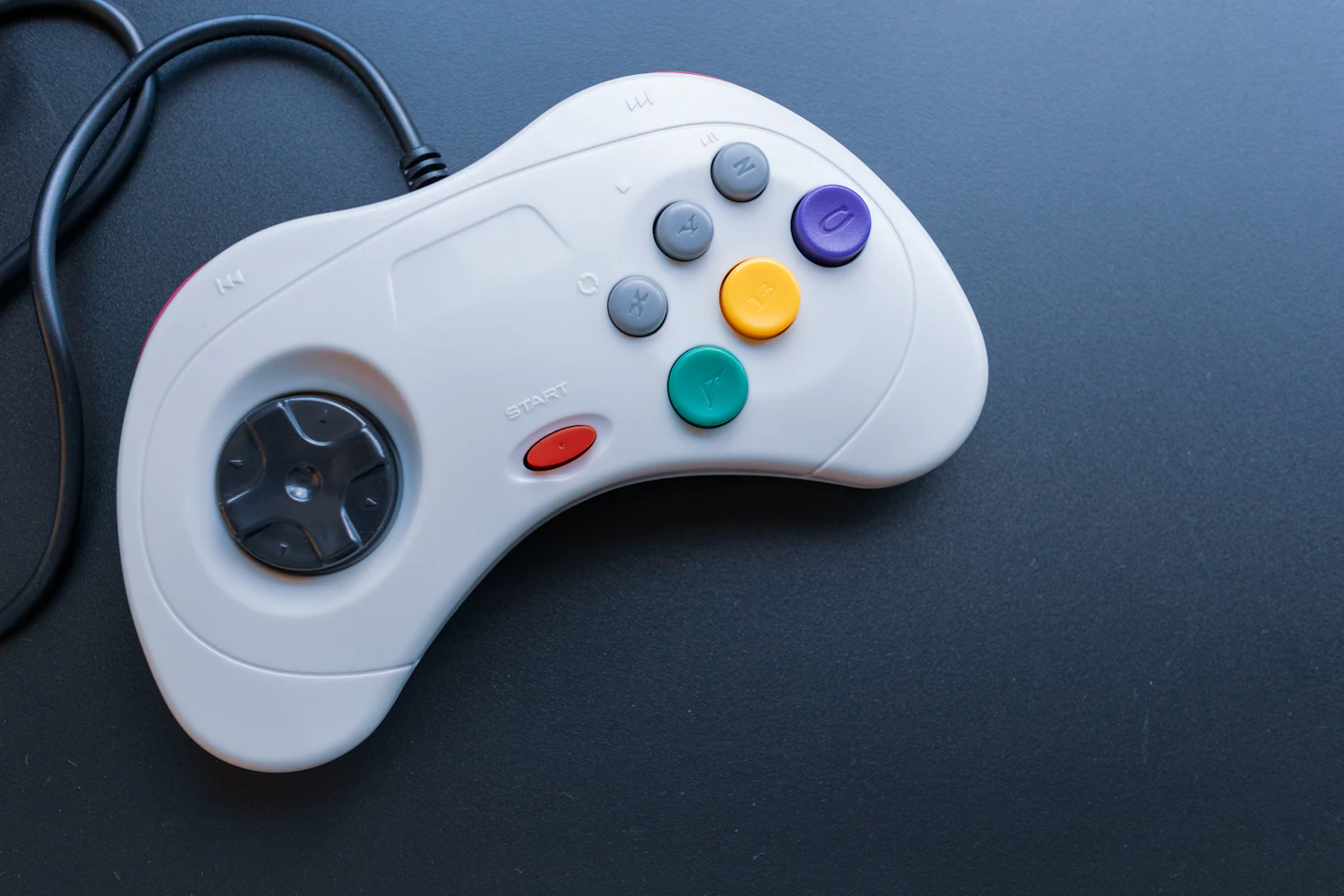
The European Commission has officially responded to the Stop Destroying Videogames initiative, and the outcome is likely a disappointment for proponents of the movement. In a recent statement, the Commission confirmed it cannot propose a legal obligation to ensure video games remain playable after their commercial support concludes.
The initiative, which is part of the broader Stop Killing Games movement, aimed to prevent publishers from rendering purchased software inaccessible once servers are taken offline. However, the Commission cited existing intellectual property rights as the primary barrier to such regulation. According to the official position, rights holders enjoy exclusive control over their creations, and these rights—covering both copyright and various visual and technological aspects—supersede the proposed mandate.
Current Consumer Protections
While the Commission declined to create new legislation, it argued that existing EU consumer law already provides safeguards. The Commission noted that publishers are currently required to inform consumers about the duration and conditions for terminating their contracts before a purchase is finalized. If a publisher fails to meet these stated terms, the Commission suggests that consumer rights regarding economic interests are already protected under current frameworks.
Rather than pursuing new laws, the Commission intends to initiate an exchange with both the video game industry and consumer representatives. The goal of this dialogue is to draft an industry code of conduct regarding the “end of life” management of video games. Additionally, the Commission plans to collaborate with consumer authorities to raise awareness about existing rights that protect the economic interests of players.
The Complexity of Server Shutdowns
The decision highlights the ongoing tension between digital ownership and the technical realities of modern gaming. Managing the end-of-life process for online titles is notoriously difficult, involving complex server architecture, microtransactions, integrated DLC, and third-party licensing for assets like music.
For those hoping for a clear-cut mandate, this response from the European Commission marks a significant hurdle. By pointing to existing intellectual property rights and current consumer law, the Commission has effectively signaled that it does not intend to force a change in the status quo, potentially influencing other nations to follow suit. While the move toward a code of conduct may encourage some publishers to reconsider their server longevity, there is no requirement for them to do so.