
Fumito Ueda’s Gen Atlas: Everything We Know About the New Robot Adventure
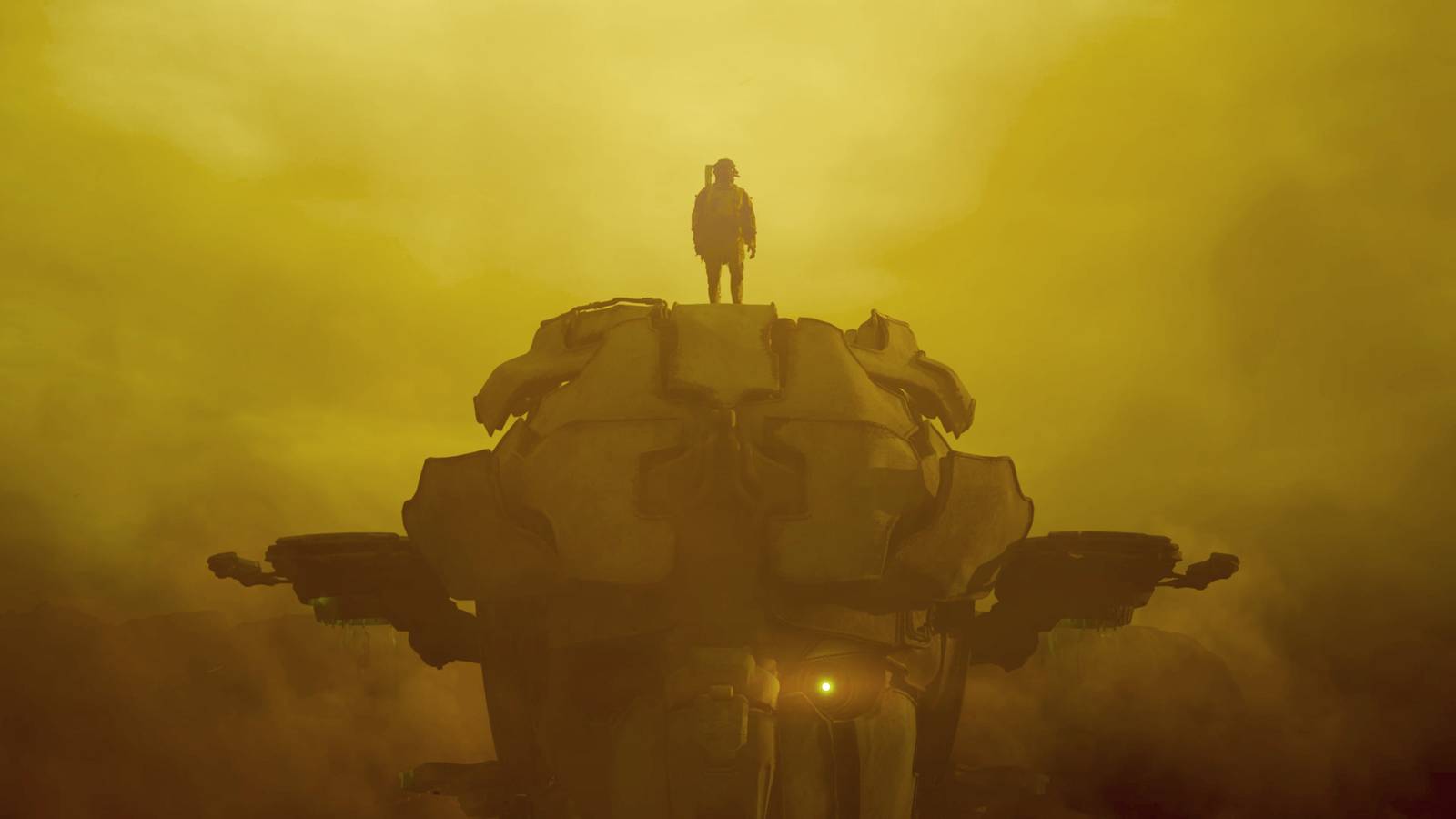
Fumito Ueda, the visionary behind Shadow of the Colossus and Ico, has pulled back the curtain on his latest project: Gen Atlas. Previously known as Project Robot, the game is currently in development at Ueda’s independent studio, Gen Design, and is slated for release on PlayStation 5, Windows PC, and Xbox Series X.
- Developer: Gen Design
- Platforms: PlayStation 5, Xbox Series X, Windows PC
- Key Mechanic: Partnership with a robotic head
- Release Date: TBA
The Inspiration Behind the Machines
For Ueda, the core of Gen Atlas stems from the ubiquity of giant robots in the Japanese media he consumed growing up. Whether it was manga, television, or posters, the imagery of massive mechanical power was a daily fixture. Rather than drawing from a specific franchise like Neon Genesis Evangelion, Ueda describes the game as a synthesis of that childhood familiarity, aiming to recreate the sense of awe and the power fantasy associated with piloting massive machines.
The title itself carries multiple layers of meaning. "Gen" is drawn from words like genesis, gene, and generator, while "Atlas" refers to both the game’s vast, unexplored map and the first cervical vertebra that supports the human head—a visual motif reflected in the game’s robotic companion.
A New Kind of Partnership
Players familiar with Ueda’s previous work will recognize the theme of companionship, though the execution in Gen Atlas shifts toward the mechanical. The player character is a lone pilot on an abandoned planet, accompanied by a detached robot head with exposed vertebrae. This companion is designed to function as more than just a tool; it serves as a navigator, a means of transportation, and, ultimately, a partner. Ueda noted that he is particularly interested in how players outside the screen will perceive the connection between the pilot and this robotic head.
Gameplay and Design Philosophy
While the game shares a visual DNA with Shadow of the Colossus—featuring a lone wanderer in a quiet, stark, and empty environment—Ueda is taking a different approach to player experience. The director is explicitly working to avoid "tedious" gameplay loops. He intends for Gen Atlas to provide multiple paths for progress, moving away from forced, repetitive tasks in favor of more exhilarating and entertaining options.
Storytelling in the game will follow the minimalist, ambient style established in Ueda’s past titles. He compared his approach to writing a screenplay to the structure of a haiku, using specific keywords and "kigo"—seasonal references that evoke tone and feeling—rather than relying on traditional, detailed lore bibles. This method allows the team to focus on the setting and the emotional resonance of the world rather than rigid narrative exposition.