
Kabuto Park Review: A Summer Simulation Experience for 2026
- Game: Kabuto Park
- Developer: Doot
- Release Date: May 28, 2025
- Platforms: Nintendo Switch, Nintendo Switch 2, PC, macOS, Linux
Kabuto Park, developed by Doot, offers a distinct simulation experience that draws parallels to the critter-collection mechanics found in titles like Genshin Impact or the seasonal events seen in HoYoverse updates like Natlan. As we evaluate the title in 2026, it is clear that the game leverages the hardware capabilities of the Nintendo Switch 2 and the original Nintendo Switch to provide a tactile experience. Following our recent Nintendo Direct coverage, we have spent significant time testing how this indie simulation performs across various platforms.
Understanding the Gameplay Loop of Kabuto Park
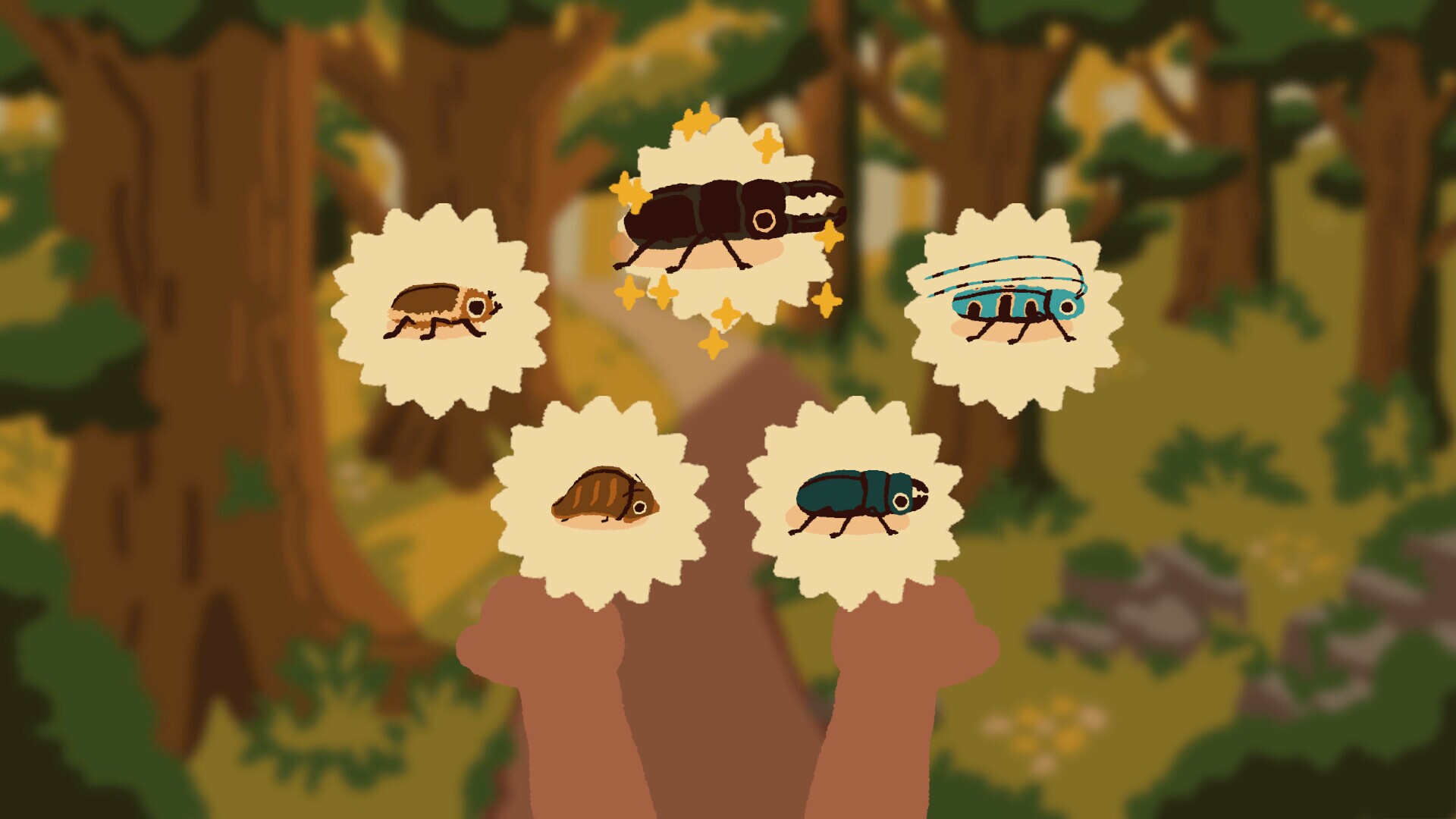
At its core, Kabuto Park is a casual simulation game that places the player in the role of a young girl on summer break. The primary objective involves exploring various natural environments—including trees, grasslands, and ponds—to locate and capture a variety of bugs. The game features a roster of 40 unique insects, primarily consisting of beetles, moths, butterflies, and two mantis varieties. Notably, the developer has excluded spiders from the game's lineup.
Once captured, these bugs serve as the foundation for the game's strategic element: beetle battles. Players level up their collection by feeding them candy, which increases their effectiveness in combat against other children encountered throughout the game. The progression system is straightforward, focusing on collecting medals through these battles to reach the status of the top beetle battler of the summer.
Kabuto Park Nintendo Switch 2 Performance and Controls
One of the most notable aspects of Kabuto Park is its implementation of control schemes tailored to the hardware. On the Nintendo Switch and the newer Nintendo Switch 2, the game offers a level of responsiveness that highlights the console's portable nature. The catching minigame utilizes a timing-based mechanic where the player must interact with the screen when a bar enters a designated green zone. This point-and-click functionality is highly intuitive using the touchscreen.
For players who prefer physical inputs, the game supports button-based controls. Furthermore, the inclusion of motion-based controls allows users to detach the Joy-Cons and swing them to simulate the motion of a net. This adds a layer of immersion that distinguishes the console experience from the standard mouse-and-keyboard setup available on PC, macOS, and Linux versions. Our testing confirms that the game's performance remains consistent across both generations of Switch hardware, making it a reliable title for handheld play.
Art Style and Design Philosophy
Doot, the studio also responsible for the title Minami Lane, maintains a consistent aesthetic in Kabuto Park. The game utilizes a hand-drawn art style characterized by its simplicity and charm. A defining visual trait is the inclusion of googly eyes on all the bugs, which reinforces the game's lighthearted tone. Despite the premise of training bugs for battle, the experience is designed to be low-pressure and accessible to a wide audience. The lack of complex, punishing mechanics ensures that the focus remains on the collection and the satisfaction of filling out the roster.
For those interested in how this title fits into the broader indie simulation market, you can read more in our indie gaming news archives. The game avoids the aggressive monetization or complex meta-building often seen in larger service games, opting instead for a self-contained summer narrative.
Platform Comparison and Accessibility
While the Switch and Switch 2 versions benefit from touchscreen and motion-control integration, the PC version offers its own advantages, specifically regarding precision input. However, the design of Kabuto Park is inherently suited to the "sit anywhere" philosophy of the Switch. The transition between catching bugs and engaging in battles is seamless, and the lack of complex navigation between different map locales keeps the pacing brisk.
The game's simplicity is its greatest strength. By focusing on a single, well-defined loop—catch, feed, battle—Doot has created an experience that does not overstay its welcome. It provides a clear path to completion, allowing players to earn all medals within the timeframe of the in-game summer break.
Frequently Asked Questions
To assist our readers in determining if this title fits their library, we have compiled answers to common inquiries regarding the game's mechanics and value.
- Is Kabuto Park worth buying in 2026? Kabuto Park is a worthwhile purchase for players seeking a casual, pick-up-and-play simulation experience that utilizes unique hardware features like touchscreen and motion controls.
- Is Kabuto Park a good game for Animal Crossing fans? Yes, players who enjoy the critter-collection aspects of Animal Crossing will find a similar loop of searching for, catching, and organizing a collection of insects.
- What is the gameplay like in Doot's Kabuto Park? The gameplay centers on exploring natural locales to catch 40 different types of bugs, which are then leveled up using candy to participate in strategic beetle battles.
- Intuitive touchscreen and motion controls
- Charming, cohesive hand-drawn art style
- Limited roster size of 40 bugs
- Gameplay loop may feel repetitive for some