
Microsoft Reportedly Closing Compulsion Games After Eight Years
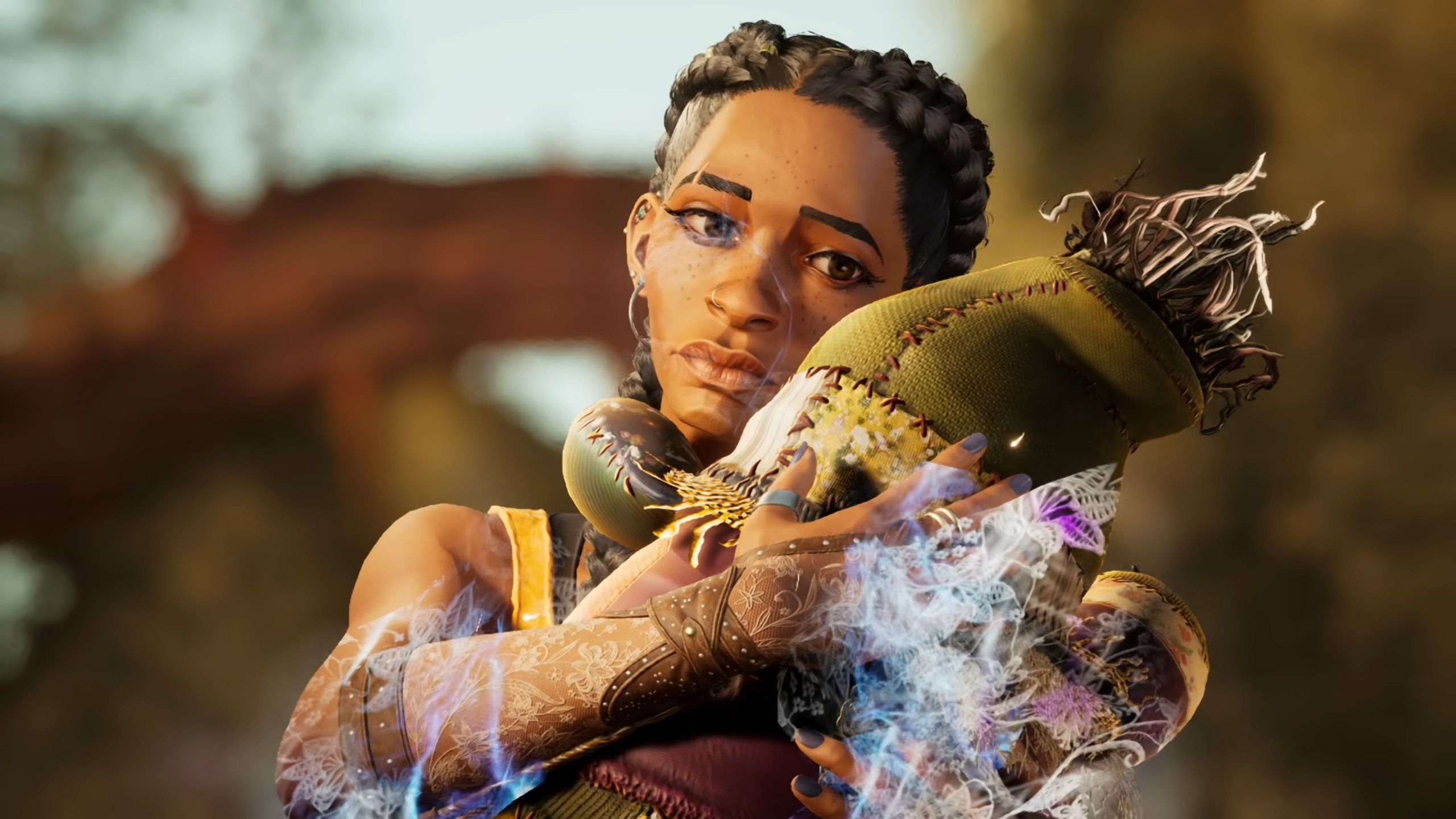
Microsoft is reportedly closing Compulsion Games, the studio behind South of Midnight and We Happy Few. According to a report from Kotaku, the studio—which currently employs over 90 people—is the latest casualty in a series of Xbox-related downsizings that have seen thousands of employees laid off over the past few years.
Signs of the closure began to surface when Compulsion Games senior writer Zaire Lanier posted on social media that they were "looking for work" just hours before the report was published. Lanier has since shared the report along with posts mourning the loss of the studio.
A "Reset" Amid Declining Margins
The reported closure follows the recent departure of Xbox Game Studios head Craig Duncan. Microsoft’s leadership has been vocal about the need for a "reset" within the gaming division. Microsoft CEO Satya Nadella recently stated that Xbox is working to become a "sustainable business," while new Xbox CEO Asha Sharma and CCO Matt Booty have pointed to declining margins and overextension as primary drivers for the current shift.
This development is particularly notable given Matt Booty’s previous comments regarding the studio's role within the company. In a Game File interview earlier this year, Booty explicitly positioned Compulsion Games as the type of studio Microsoft aimed to cultivate for its portfolio, specifically citing their award-winning work.
The Legacy of South of Midnight
South of Midnight served as Compulsion’s third title and the only game released by the studio since its acquisition by Microsoft in 2018. The southern-themed action platformer earned strong reviews across PC, Xbox Series S/X, PS5, and Switch 2. It also garnered critical recognition through Peabody and BAFTA awards, drawing praise from both Sharma and Booty as recently as this year. Our review of South of Midnight highlighted the title as a spellbinding experience, though we noted the gameplay felt predictable at times.
Compulsion Games joins a growing list of studios acquired and then shuttered by Microsoft. The situation echoes the history of Lionhead Studios, which Microsoft purchased and later closed—a move that Xbox executives have long cited as a mistake they intended to avoid repeating. With deeper layoffs reportedly expected to hit Xbox in July, the future of the company’s portfolio remains a point of significant internal change.