Article by Mohammad Rauf • Senior Writer, In Game News …

Sony Shifts Strategy: PC Ports Scrapped and 'Only on PS5' Returns in 2026
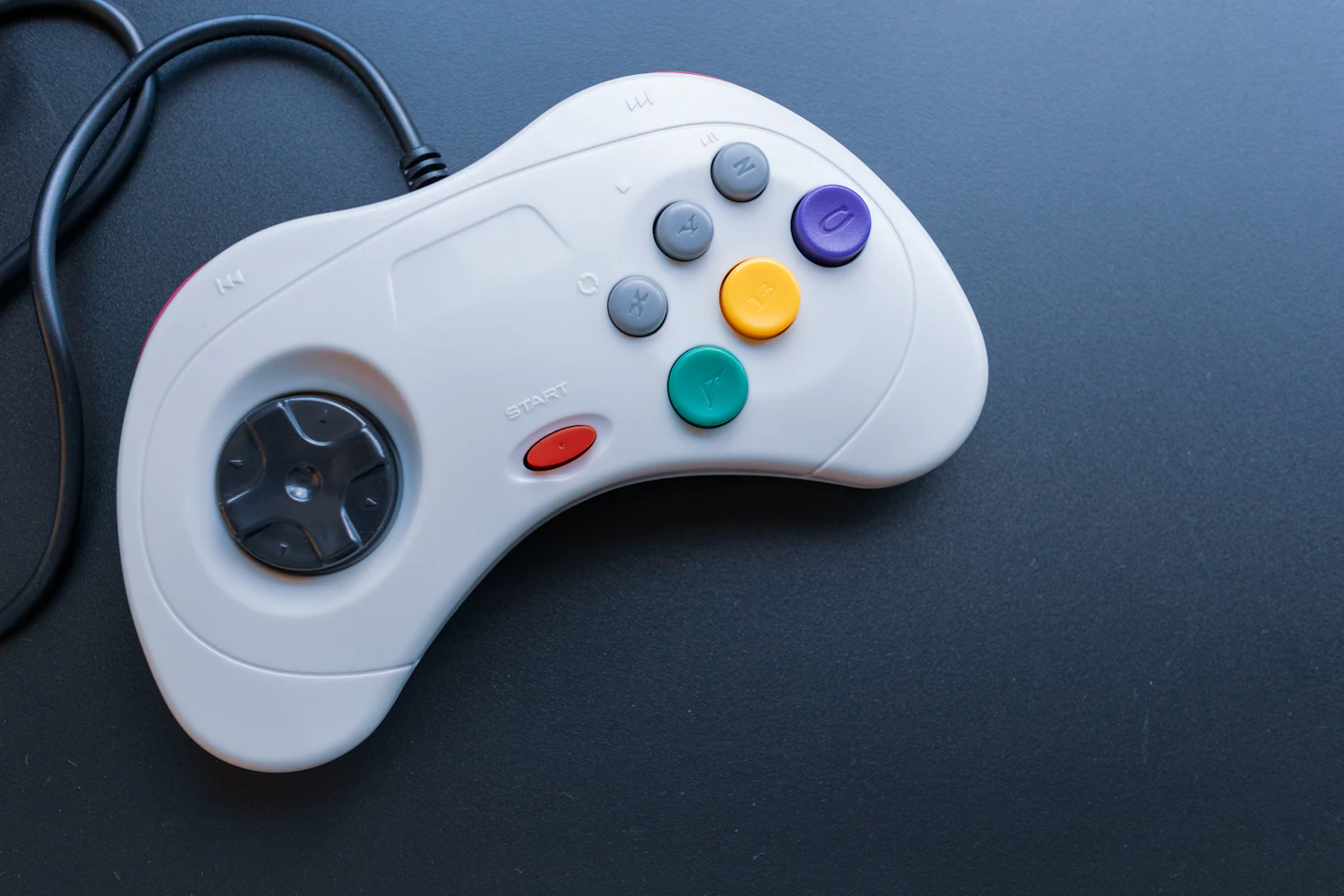
⚡ Quick Facts
- Platform: PlayStation 5
- Key Technology: PSSR (PlayStation Spectral Super Resolution)
- Policy Change: Termination of PC port development
- Branding: Return of 'Only on PS5' label
Sony has officially shifted its corporate strategy in 2026, confirming that it has scrapped plans for future PC ports of its first-party titles and is bringing back the 'Only on PS5' branding. This move marks a significant departure from the company's previous multi-platform approach, signaling a renewed focus on the PlayStation 5 and the high-performance capabilities of the PS5 Pro hardware.
As we monitor these developments at In Game News, it is clear that the hardware-first philosophy is once again the primary driver for Sony Interactive Entertainment. By leveraging proprietary technologies like PSSR, the company aims to differentiate its console experience from the broader PC market. This policy shift effectively ends the era of Sony PlayStation games coming to PC in 2026, as the organization pivots back to a closed ecosystem model.
The Strategic Return to Console Exclusivity
The decision to halt PC development represents a reversal of the strategy implemented over the last several years, where titles were frequently ported to Windows platforms following their initial console release. According to official reports, the reintroduction of the 'Only on PS5' disclaimer is intended to provide clarity to consumers regarding the availability of software. This branding will now serve as a guarantee that a game is optimized specifically for the architecture of the PlayStation 5 and the enhanced fidelity provided by the PS5 Pro.
Industry analysts have noted that this change is likely tied to the desire to maximize the value proposition of the PS5 Pro. By ensuring that the most advanced versions of their games remain exclusive to their own hardware, Sony is positioning its consoles as the only way to access their library at the highest possible performance tiers. This focus on the console experience is a direct response to the technical demands of modern software, which are increasingly reliant on custom silicon and proprietary upscaling solutions.
The Role of PSSR in Hardware Differentiation
A major factor in this decision is the integration of PSSR. This upscaling technology is designed to operate within the specific constraints and advantages of the PS5 Pro hardware. By keeping software exclusive to the PlayStation 5, developers can optimize their titles to utilize PSSR without the overhead of ensuring compatibility across a vast array of PC hardware configurations. This technical synergy is central to why Sony is prioritizing the console environment over the PC market.
For those interested in how this affects the broader industry, you can read more in our PlayStation coverage. The shift also simplifies the marketing narrative for the company, as the 'Only on PS5' badge serves as a clear indicator of where the definitive experience can be found.
Impact on the Gaming Market and Consumer Expectations
The cancellation of future PC ports will undoubtedly have a significant impact on the PC gaming community, which had grown accustomed to receiving titles from Sony's library. However, from the perspective of Sony's internal strategy, the move is intended to consolidate the user base within the PlayStation ecosystem. By removing the option to play these games on other platforms, the company is attempting to drive hardware adoption for the PS5 Pro.
We have been tracking the discourse surrounding these changes in our industry news analysis. The return of the 'Only on PS5' branding is not merely a cosmetic change; it is a signal of a broader policy shift. Consumers can now expect that if a game carries this label, it will not be appearing on Steam or other PC storefronts in the future. This provides a level of certainty for those who choose to invest in the PlayStation platform.
Understanding the Official Sony Statement on PS5 Console Exclusivity 2026
While the company has not released a single, exhaustive manifesto, the internal communications and the updated branding guidelines confirm that the 'Only on PS5' label is being applied to all upcoming first-party projects. The official stance emphasizes that the unique features of the PS5 Pro, combined with the efficiency of the PSSR upscaling pipeline, require a dedicated development focus that is best served by a console-exclusive model. This approach is intended to ensure that the fidelity and frame rate targets of their games are met without compromise.
- Hardware Focus: Prioritizing the performance of the PS5 Pro.
- Technical Optimization: Utilizing PSSR to achieve high-resolution output.
- Branding Consistency: Reintroducing the 'Only on PS5' label to manage expectations.
- Market Strategy: Moving away from the multi-platform PC strategy of previous years.
This development is significant for the trajectory of the console market in 2026. As the industry continues to evolve, the distinction between console-exclusive titles and multi-platform releases is becoming more pronounced. Sony's decision to double down on its own hardware is a clear indicator of where they believe the future of high-end gaming resides.
Frequently Asked Questions
As we continue to cover the implications of this shift, we have compiled the following answers to common questions regarding Sony's updated exclusivity strategy.
Is Sony canceling PC ports for PS5 games in 2026?
Yes, Sony has confirmed that it is moving away from simultaneous or near-simultaneous PC releases, effectively scrapping the previous strategy of bringing major titles to Steam and Epic Games Store.
What does the new Only on PS5 disclaimer mean?
The reintroduction of the 'Only on PS5' branding signifies that these titles are exclusive to the PlayStation 5 console and will not be receiving ports for other platforms, including PC.
Are Sony PlayStation games coming to PC in 2026?
Following this policy shift, Sony has signaled a return to console exclusivity, meaning major first-party titles are no longer being developed or ported for PC release.
📖 Read More